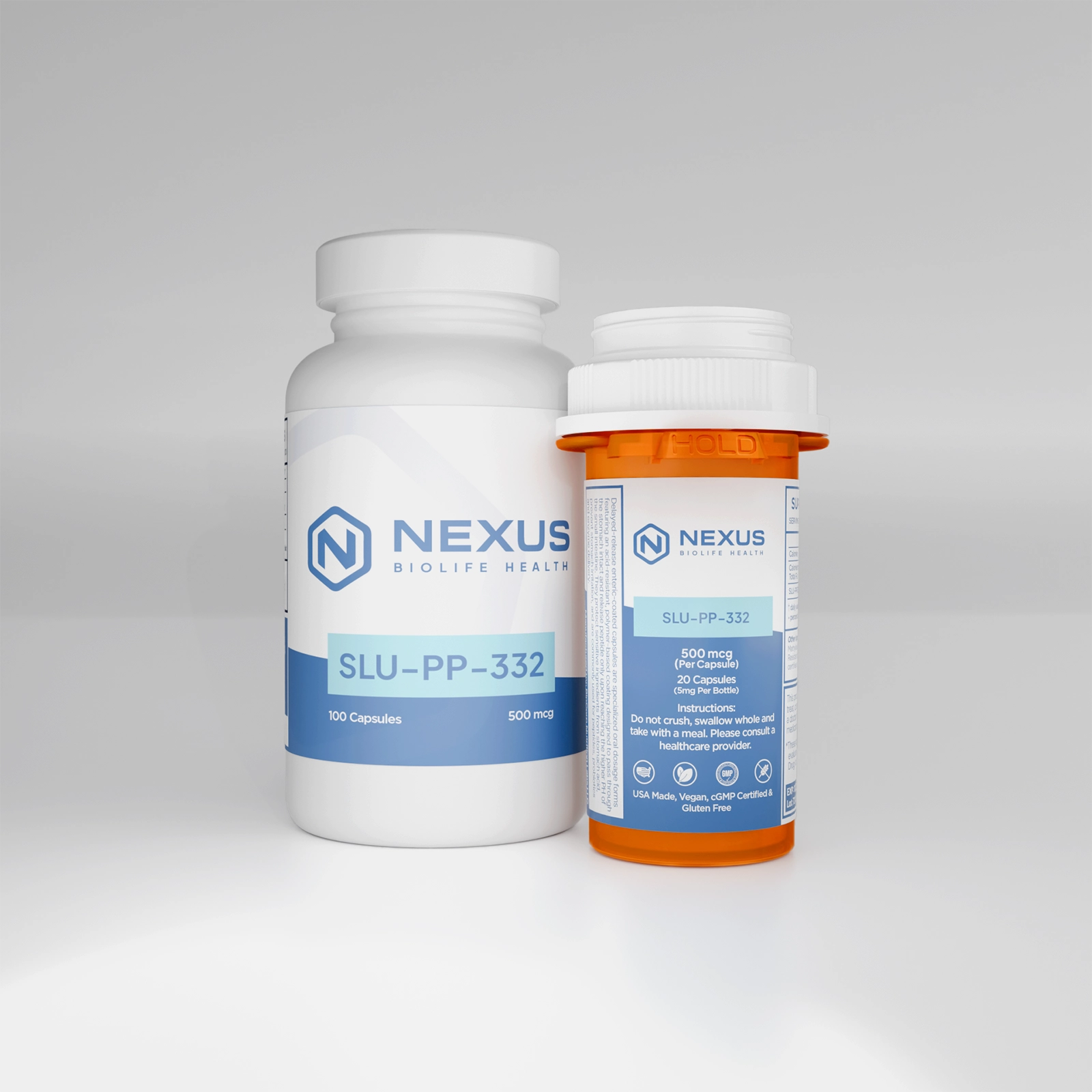


$0.00
SLU-PP-332 is a synthetic ERR agonist formulation integrated into a delayed-release matrix for specialized laboratory applications. It is frequently utilized in in-vitro biochemical assays to evaluate mitochondrial function and cellular signaling under controlled dissolution conditions. This product is strictly designated for research and development purposes and is not intended for human use, diagnostics, therapeutics, or veterinary application.
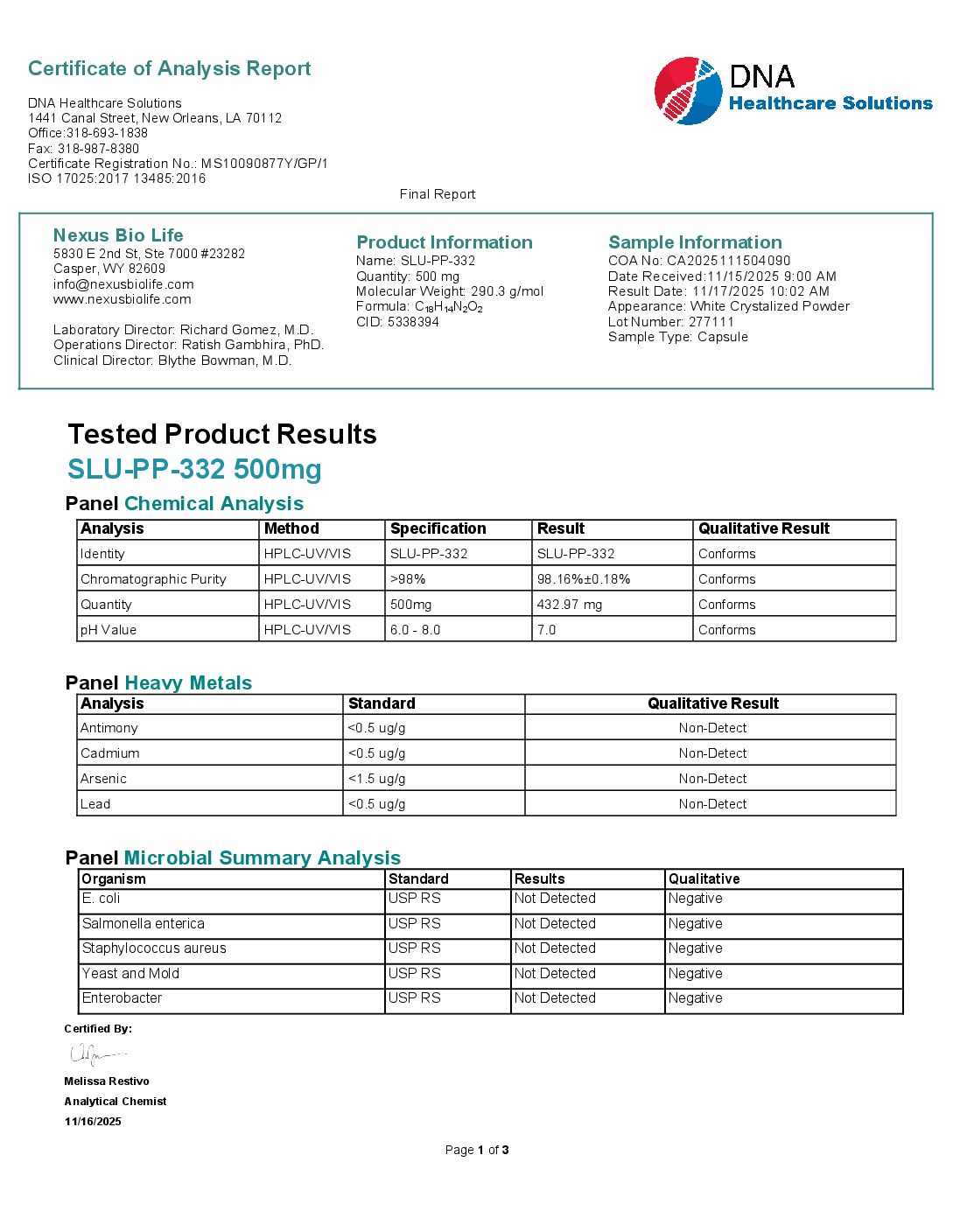
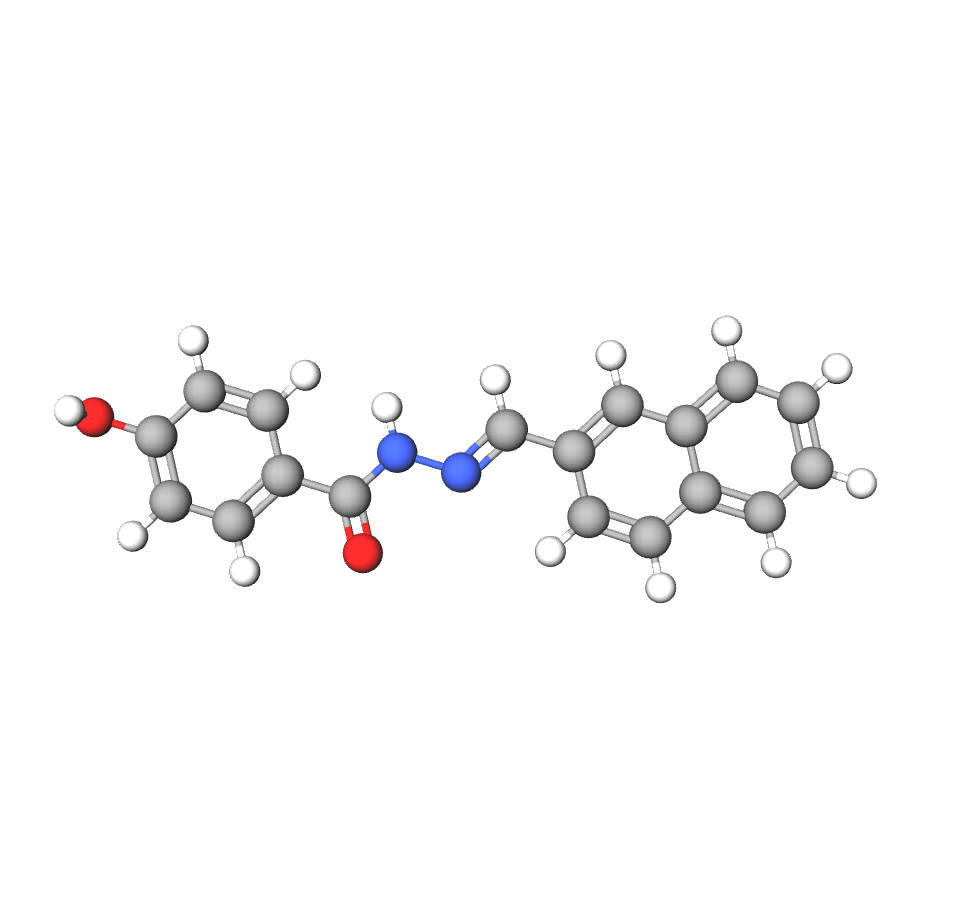
SLU-PP-332 features a compact synthetic aromatic scaffold characterized by a pyrrole-indole core substituted with specific phenyl and amide groups, a structural conformation that confers its high selectivity for ERR binding. Its molecular formula is C18H14N2O2, yielding a molecular weight of approximately 290.3 g/mol. In laboratory environments, this specific structure is utilized to evaluate molecular diffusion and cellular penetration kinetics in isolated assays. While the raw compound exhibits baseline solubility in standard organic solvents, this encapsulation matrix ensures the structural integrity of the molecule is protected during simulated acidic dissolution testing prior to its release into neutral pH buffers. Our preparations achieve purity levels exceeding 98% by HPLC, with consistent batch-to-batch reproducibility that we document transparently via Certificates of Analysis, ensuring you have highly reliable materials for your biochemical research.
At our company, we're all about making peptide science approachable and reliable for researchers like you. SLU-PP-332 is a synthetic small-molecule agonist of the estrogen-related receptors (ERRs), specifically targeting the ERRα isoform. In laboratory environments, it serves as a valuable biochemical tool for investigating transcriptional programs and mitochondrial activity in isolated cellular models. By engaging ERRα, β, and γ isoforms in-vitro, it provides a precise chemical probe for evaluating experimental models of lipid metabolism and cellular oxidative capacity. This specific research formulation is integrated into a delayed-release matrix, providing a controlled delivery mechanism for studying receptor binding kinetics in simulated physiological environments.
In mechanistic terms, researchers utilize SLU-PP-332 due to its high-affinity binding to ERRs (EC50 of 98 nM for ERRα), which initiates specific gene expression profiles in cultured environments. This upregulation allows researchers to map pathways involved in lipid metabolism, the Krebs cycle, and oxidative phosphorylation. In isolated cellular assays, its activation shifts cellular fuel preference toward lipid substrates, providing a reproducible standard for observing metabolic markers. Mechanistically, it elevates the expression of PGC-1α coactivators and mitochondrial markers like OXPHOS subunits in-vitro—we're happy to walk through the data behind these pathways, offering straightforward interpretations grounded in the science.
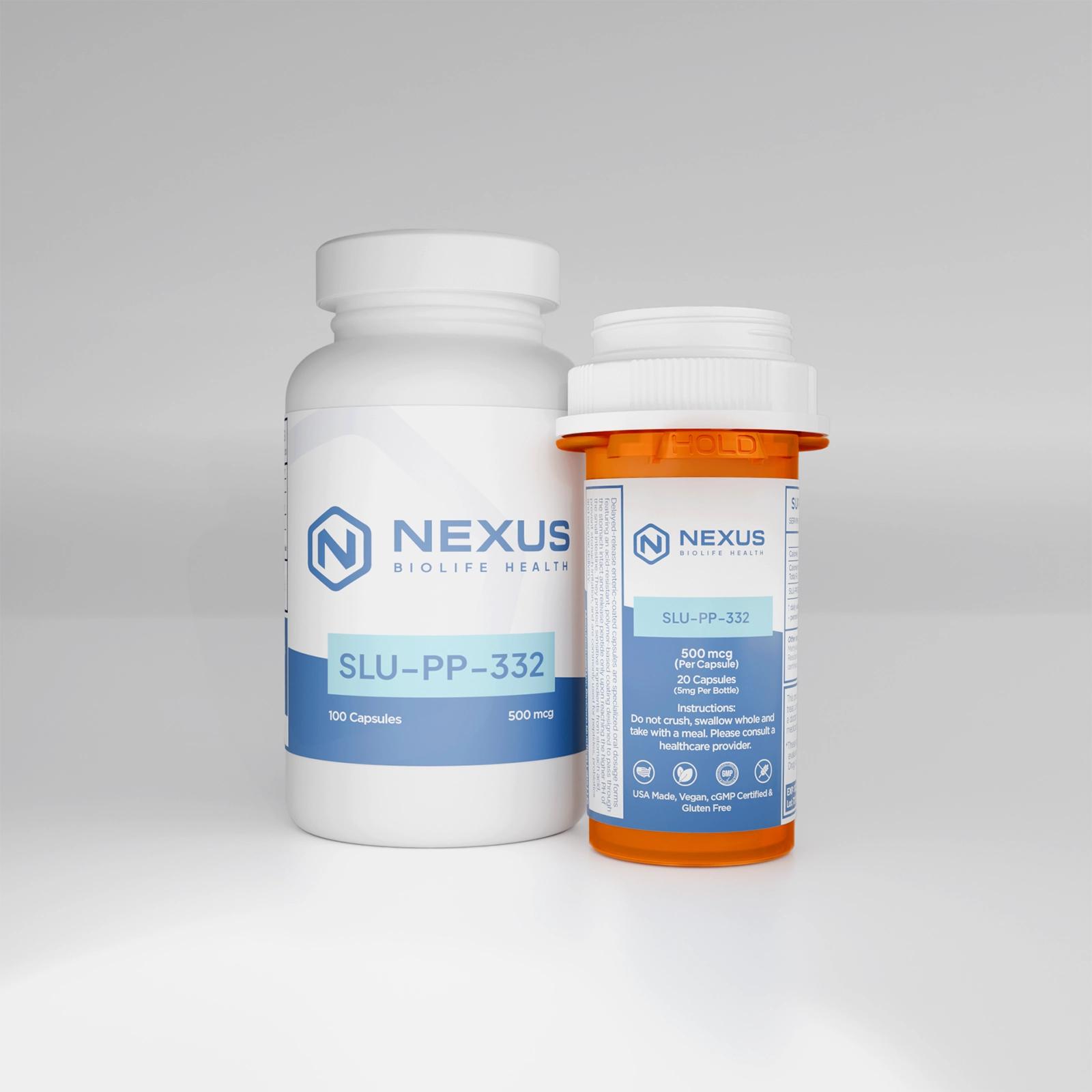
This formulation is provided within specialized capsules designed for simulated dissolution testing and controlled release assays:
In summary, SLU-PP-332 emerges as a precise biochemical tool for evaluating ERR-mediated metabolic pathways in laboratory settings, enabling researchers to observe cellular energy dynamics with clarity and control. Its role in modulating mitochondrial markers and lipid oxidation pathways underscores our quiet enthusiasm for compounds that bridge basic chemistry with rigorous in-vitro application, all while upholding the highest standards of quality. Let's advance your laboratory research together, one measured insight at a time.
For Research Use Only. Not for human use. All products offered are intended strictly for laboratory research purposes only. They are NOT for human or animal consumption, nor are they to be used as drugs, diagnostics, therapeutics, food additives, cosmetics, or household chemicals.
SLU-PP-332’s specific ERR agonism makes it a subject of intense interest for in-vitro metabolic remodeling assays. In isolated hepatic cell models, researchers utilize it to evaluate simulated lipid droplet formation and β-oxidation kinetics under controlled conditions. In isolated adipocyte assays, the compound is employed to study molecular markers associated with triglyceride storage and the induction of browning-like cellular phenotypes, providing a reproducible standard for evaluating cellular energy pathways. Isolated musculoskeletal cell systems are frequently evaluated to observe the compound’s influence on mitochondrial density markers and stimulated cellular adaptations. Additionally, its high-affinity receptor binding supports complex in-vitro assays mapping cellular glucose transport mechanisms. We appreciate the nuance in these biochemical actions and are here to provide insights into how this ERR agonist functions in targeted laboratory assays, keeping things logical and approachable.
For optimal stability, store SLU-PP-332 capsules in a cool, dry environment, preferably at room temperature or 4°C, keeping the container tightly sealed to shield from humidity and light. If extracting contents for solution-based in-vitro assays, note that the synthetic compound maintains structural stability but should be handled with standard laboratory care to preserve molecular purity. Backed by our stability validations, these steps help maintain integrity prior to experimental deployment—reach out if you have questions regarding handling or storage.
By clicking "I AGREE" and entering this website, you acknowledge and certify under penalty of perjury that you are at least 18 years of age.
