

$0.00
Semaglutide is a GLP-1 receptor agonist known to support weight management and metabolic health. Discover how it regulates appetite and glucose levels.
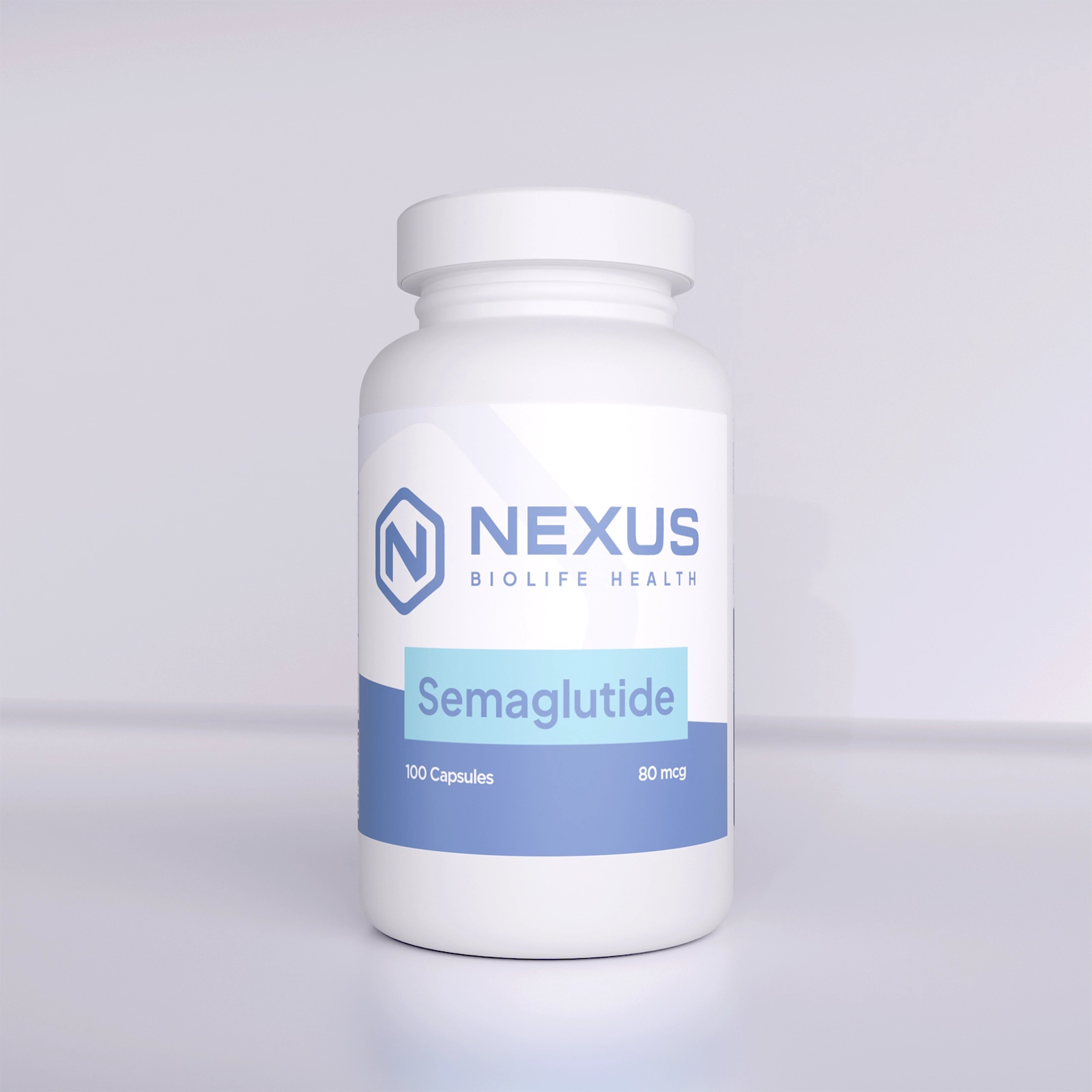
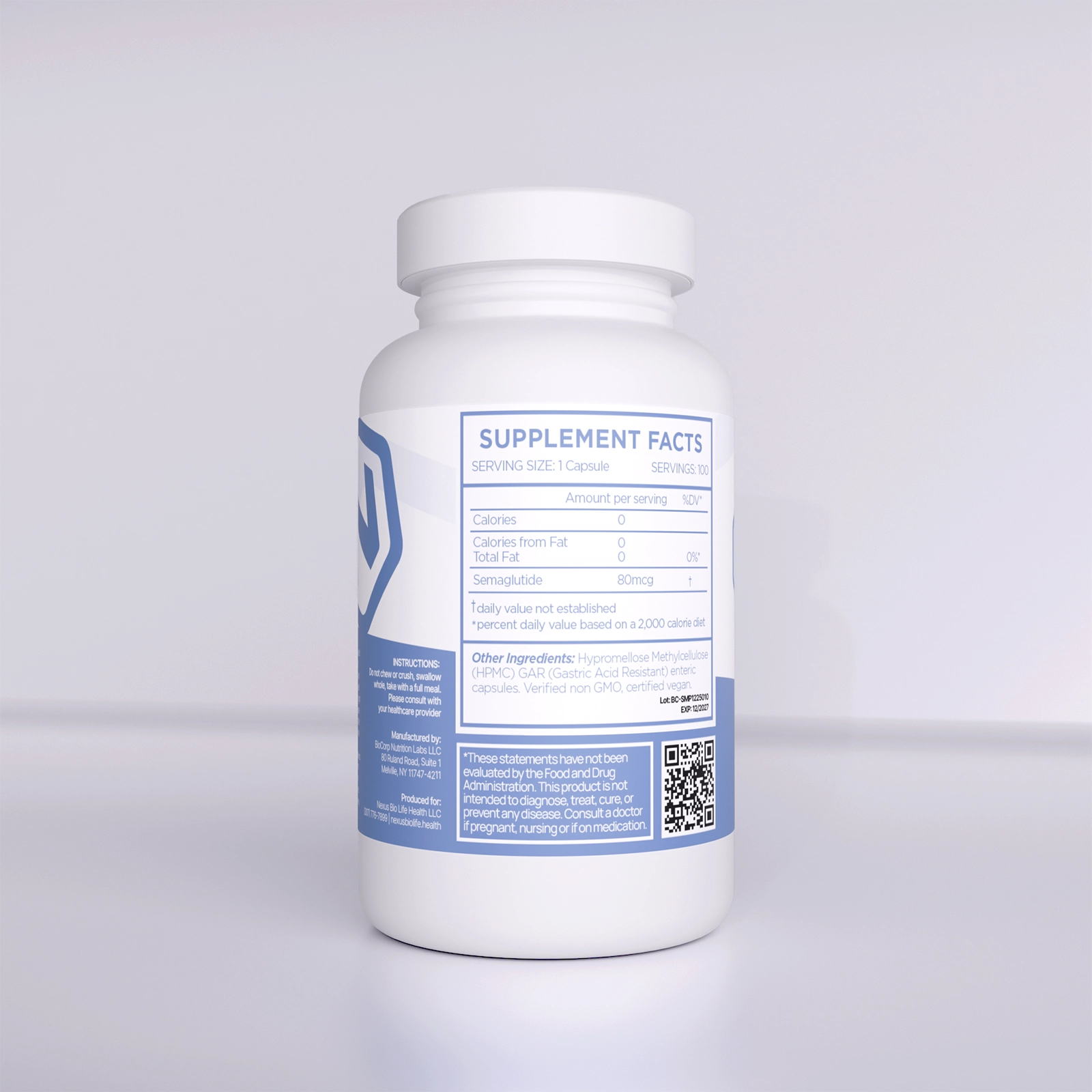
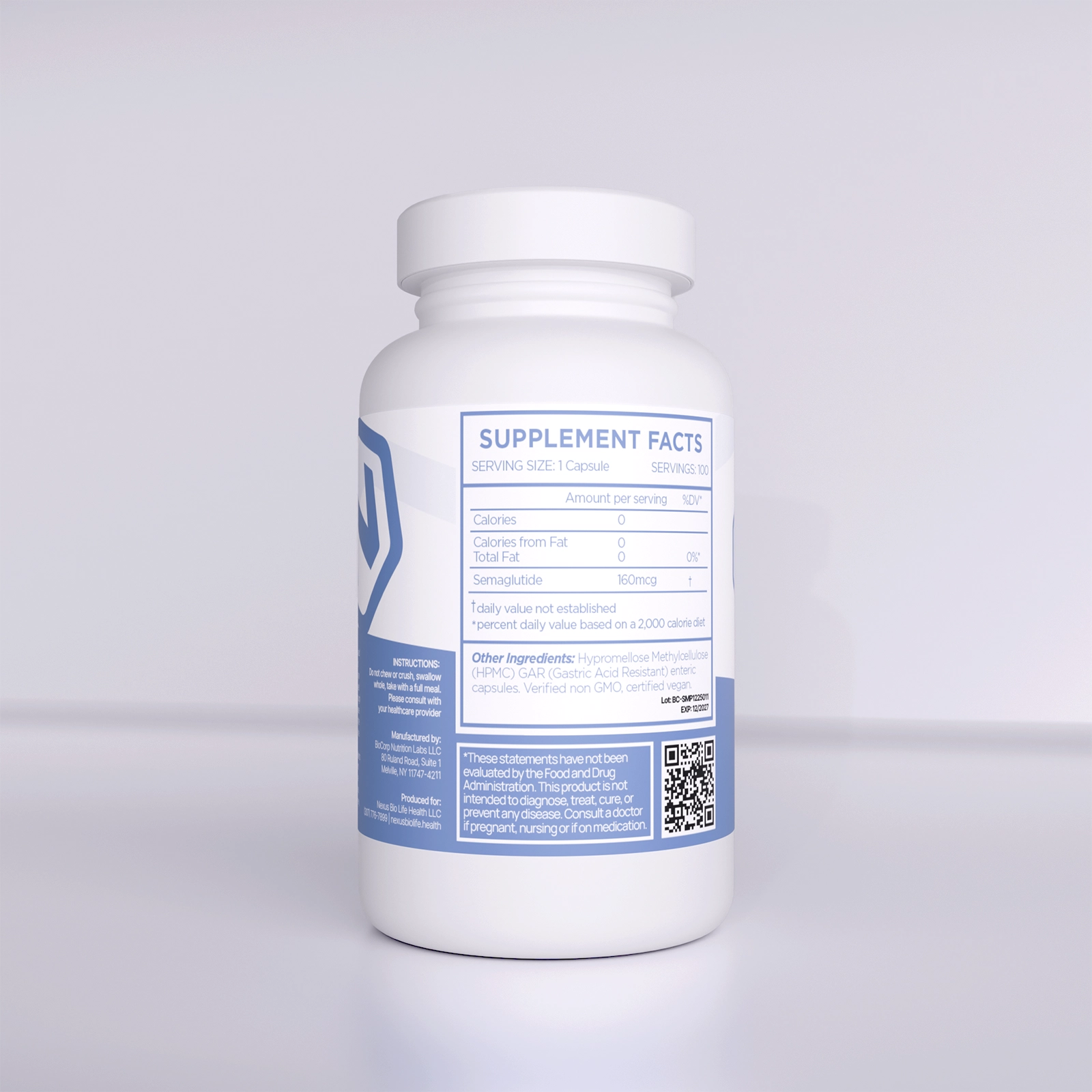
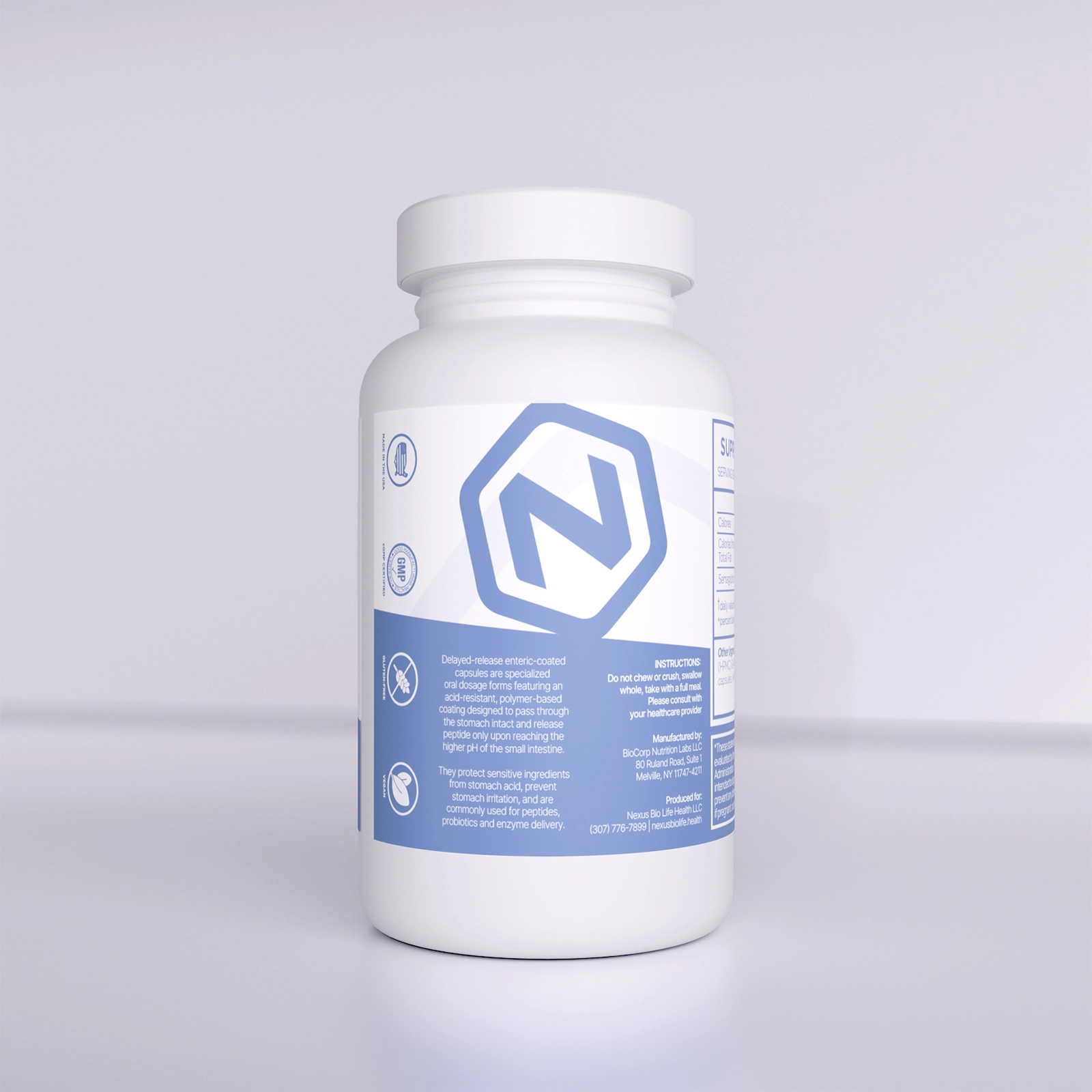
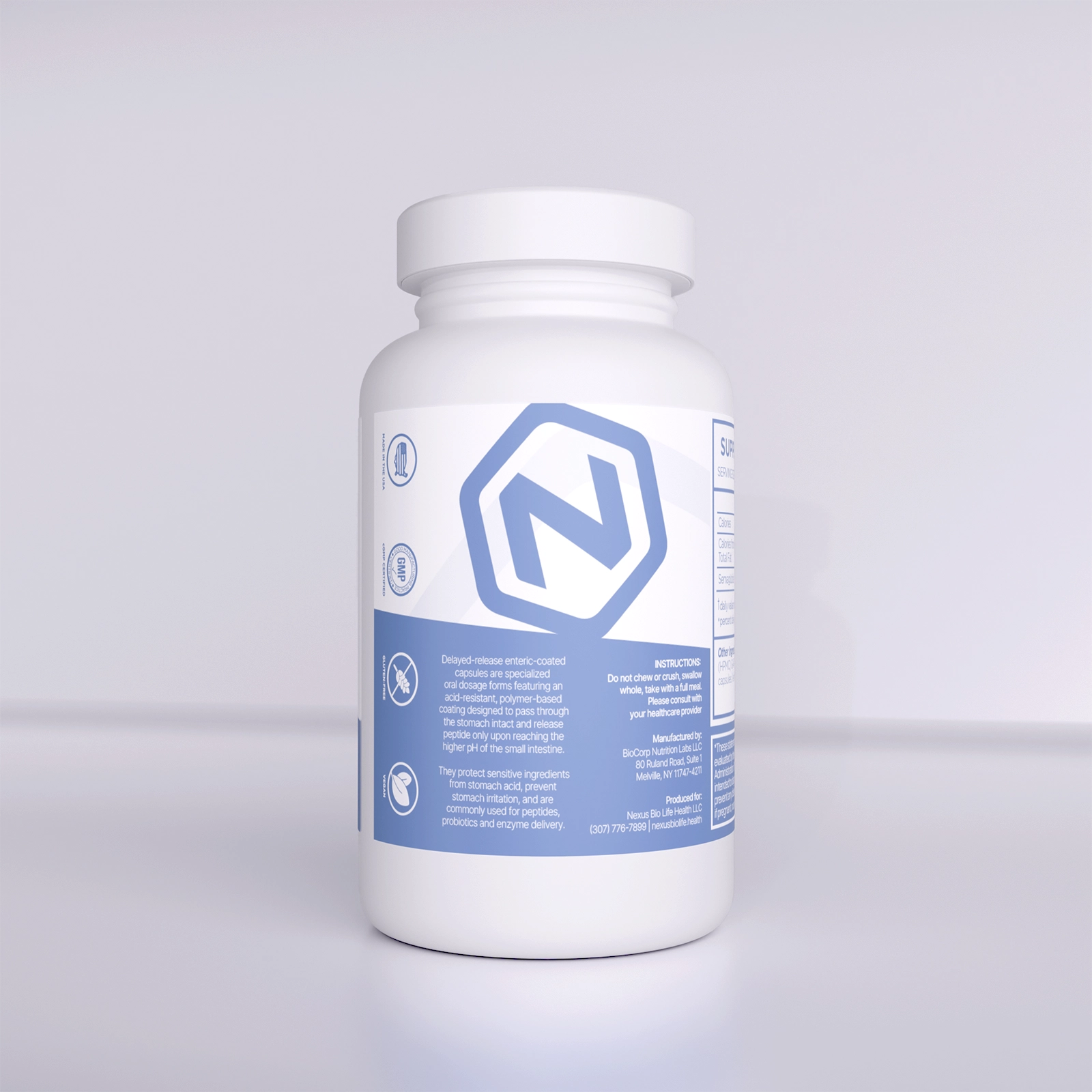
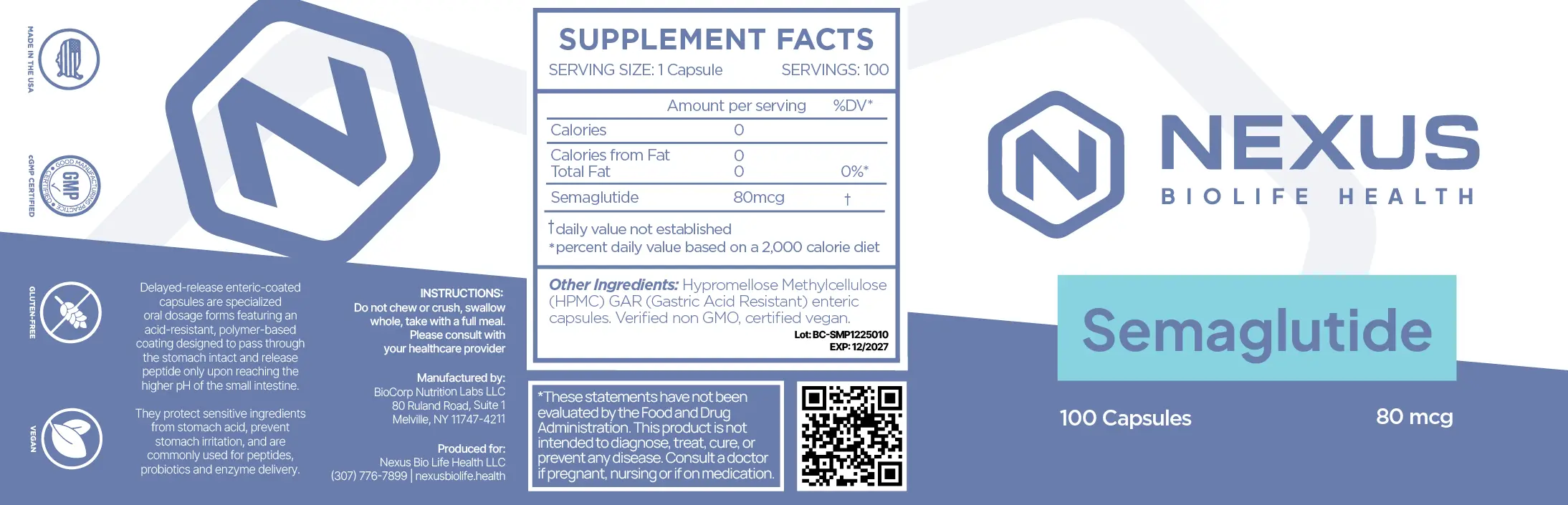
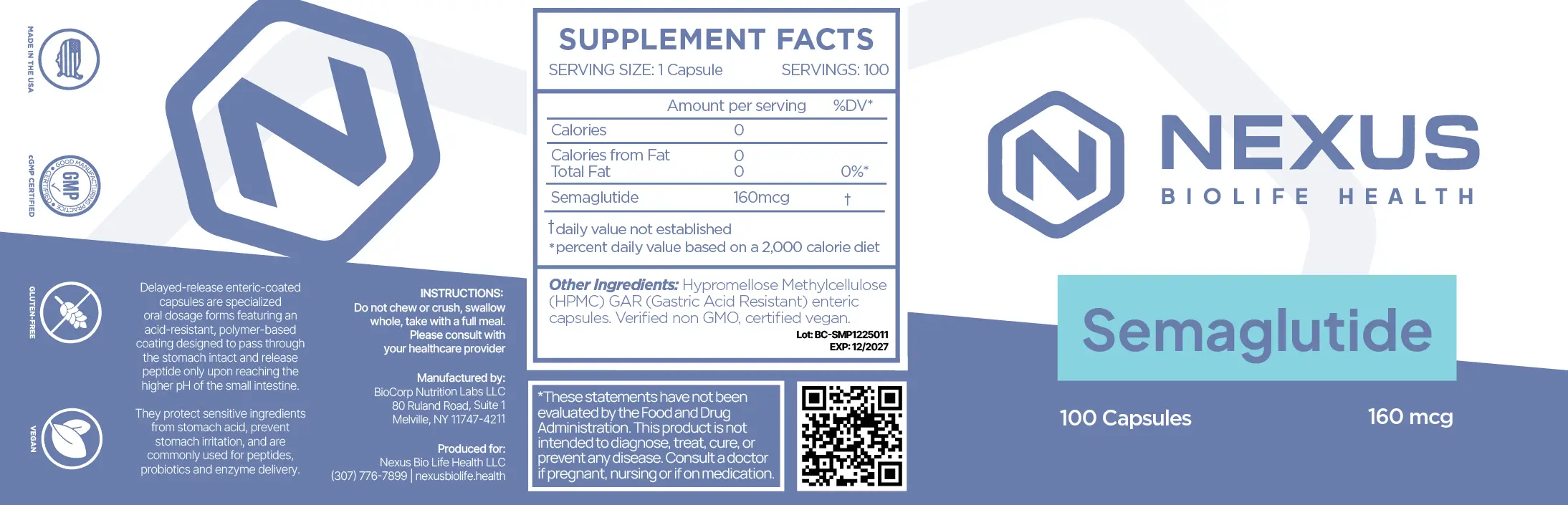
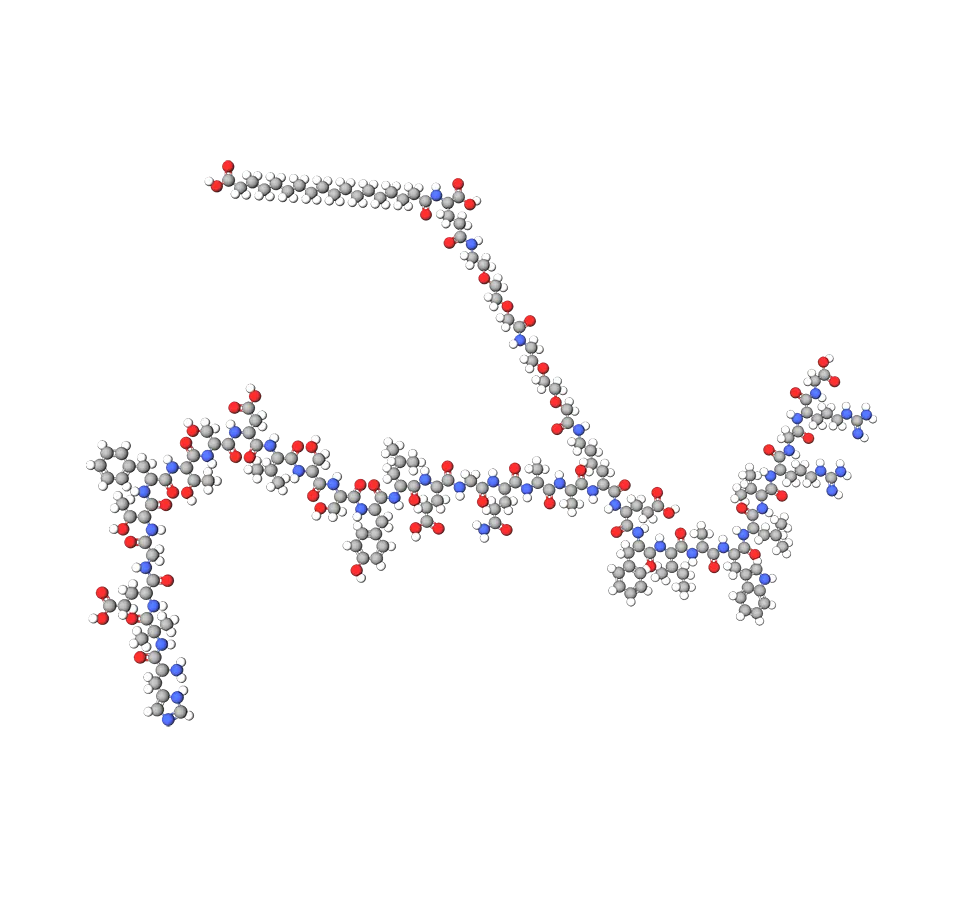
Semaglutide is chemically identified as a GLP-1 analog with 94% homology to the human sequence; its molecular formula is C187H291N45O59, with a molecular weight of approximately 4113.6 g/mol. The critical structural modification involves the attachment of a C18 fatty diacid chain to Lysine-26 via a spacer. This "fatty acid tail" facilitates strong binding to plasma albumin, significantly reducing renal clearance and protecting the peptide from enzymatic breakdown. Our preparations achieve purity levels exceeding 98% by HPLC, ensuring that the structural integrity required for this albumin binding is preserved in every batch.
Semaglutide is a modified peptide analog of the human glucagon-like peptide-1 (GLP-1), designed to support metabolic health and weight management. By acting as a potent agonist for GLP-1 receptors found in the pancreas and the brain, it mimics the body's natural physiological response to eating. This interaction stimulates glucose-dependent insulin secretion, suppresses inappropriate glucagon release, and slows gastric emptying. Our formulation provides a precise, orally bioavailable delivery method for this compound, offering a sophisticated approach to regulating appetite and maintaining glycemic balance.
In mechanistic terms, Semaglutide binds to GLP-1 receptors with high specificity. In the hypothalamus, it signals satiety, effectively reducing hunger and craving intensity. Simultaneously, in the pancreas, it optimizes the insulin response to glucose spikes. The molecule is structurally engineered to resist rapid degradation by the DPP-4 enzyme, granting it an extended duration of action compared to native GLP-1. Mechanistically, this fosters a metabolic environment conducive to caloric deficit and weight stability—we're happy to walk through the data behind these pathways, offering straightforward interpretations grounded in the science.
In summary, Semaglutide emerges as a precise tool for supporting metabolic regulation and appetite control, enabling a way to engage natural incretin pathways with clarity and control. Its role in modulating insulin dynamics and promoting satiety underscores our quiet enthusiasm for compounds that bridge basic science and practical potential, all while upholding the highest standards of quality. Semaglutide reflects our humble dedication to empowering your wellness journey through accessible, evidence-driven support. Let's chat about integrating it into your regimen, one measured insight at a time.
Semaglutide’s role as a metabolic regulator makes it a subject of intense interest for systemic health optimization. In clinical and metabolic models, it is widely recognized for its efficacy in promoting substantial weight loss by altering energy intake behavior. Beyond weight management, it supports cardiovascular health by improving lipid profiles and reducing inflammatory markers associated with adipose tissue. Its ability to enhance insulin sensitivity makes it a powerful tool for maintaining stable energy levels throughout the day. We appreciate the nuance in these biological actions and are here to provide insights into how this peptide supports metabolic flexibility, keeping things logical and approachable.
For optimal stability, store Semaglutide capsules in a cool, dry environment, preferably at 4°C to -20°C, keeping the container tightly sealed to shield from humidity and light. If extracting contents for solution-based needs, the peptide is water-soluble but should be handled with care to prevent aggregation. Backed by our stability validations, these steps help maintain integrity—reach out if you have questions regarding handling or storage.
