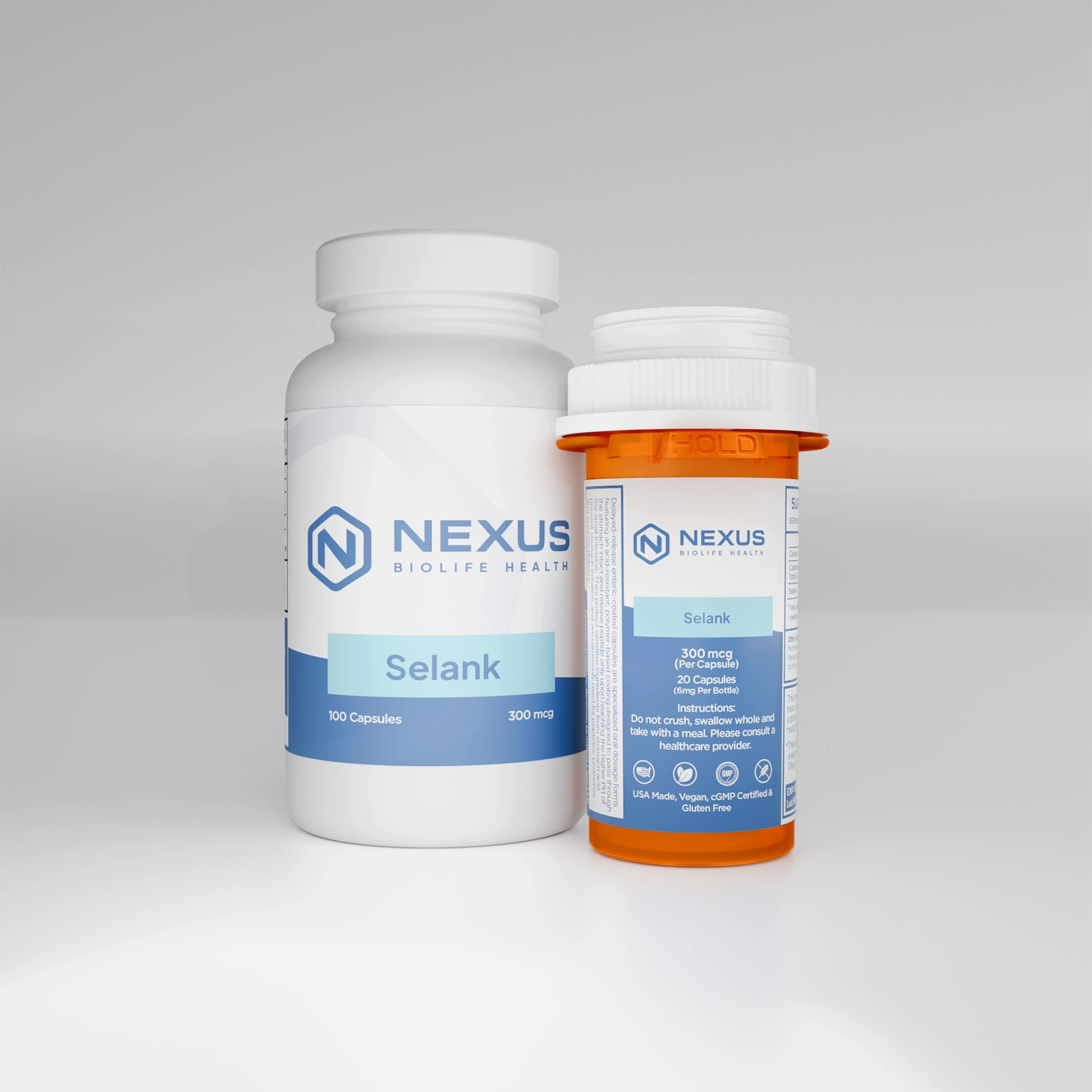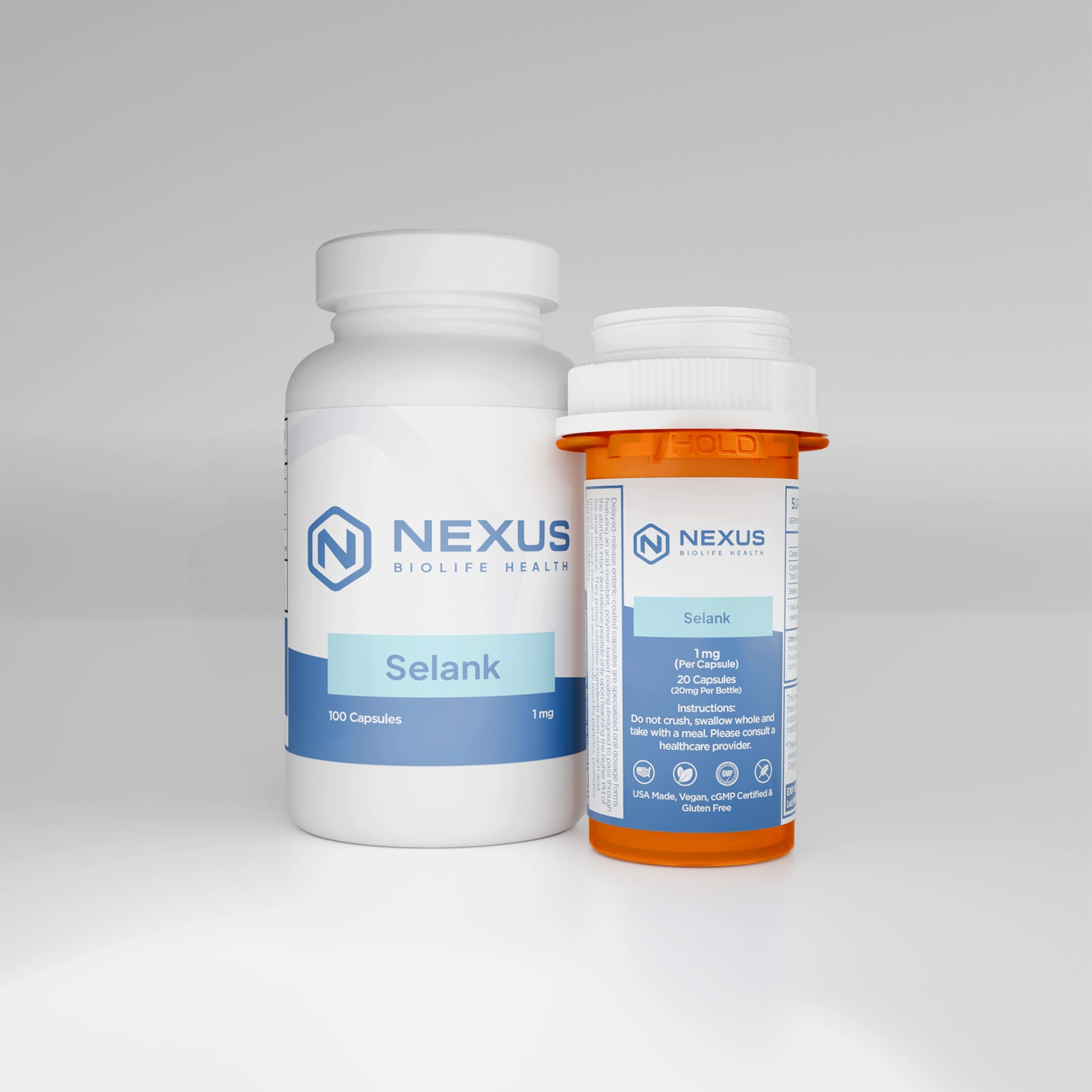


$0.00
Selank is a synthetic peptide formulation integrated into a delayed-release matrix for specialized laboratory applications. It is frequently utilized in in-vitro biochemical assays to evaluate peptide stability and enzymatic degradation kinetics under controlled dissolution conditions. This product is strictly designated for research and development purposes and is not intended for human use, diagnostics, therapeutics, or veterinary application
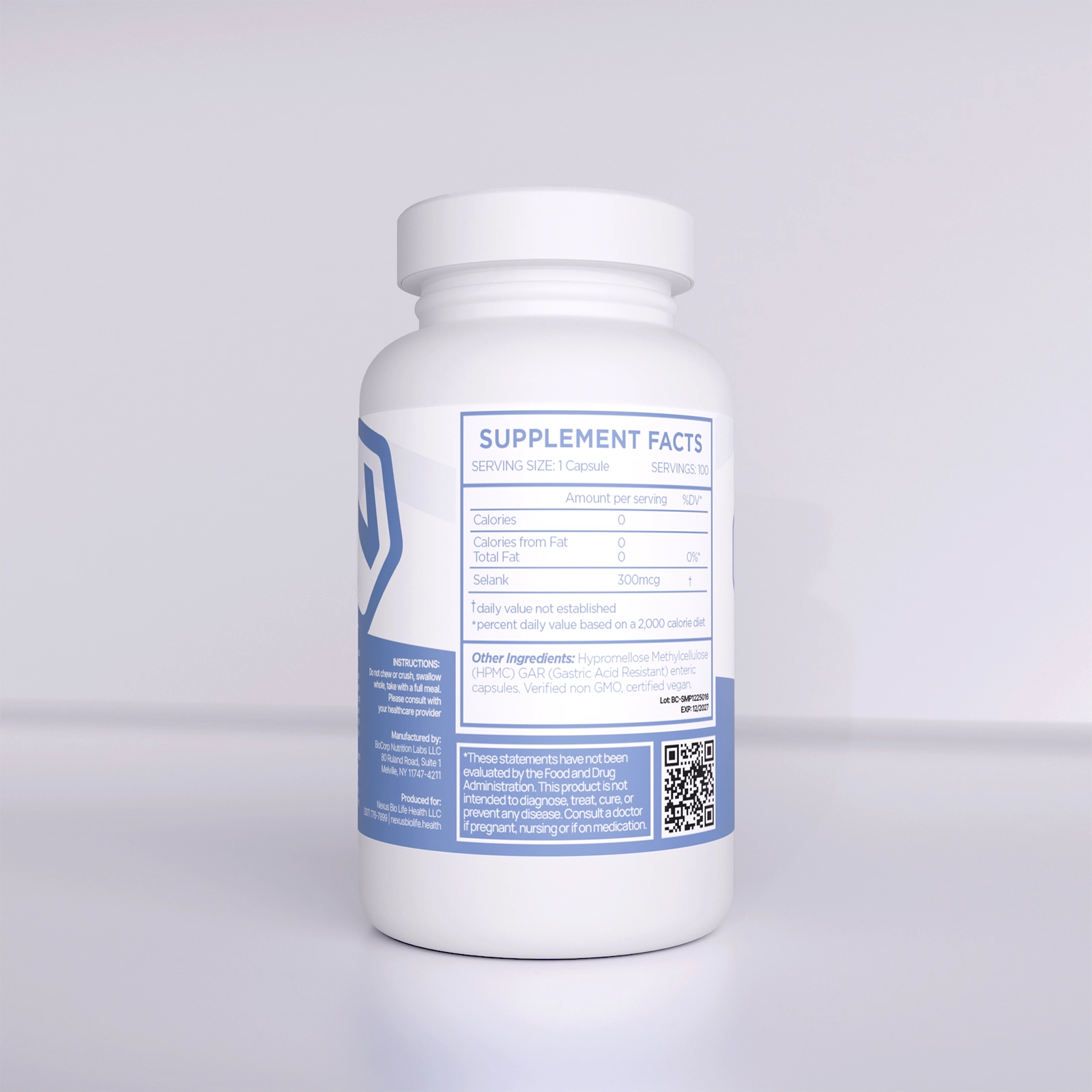
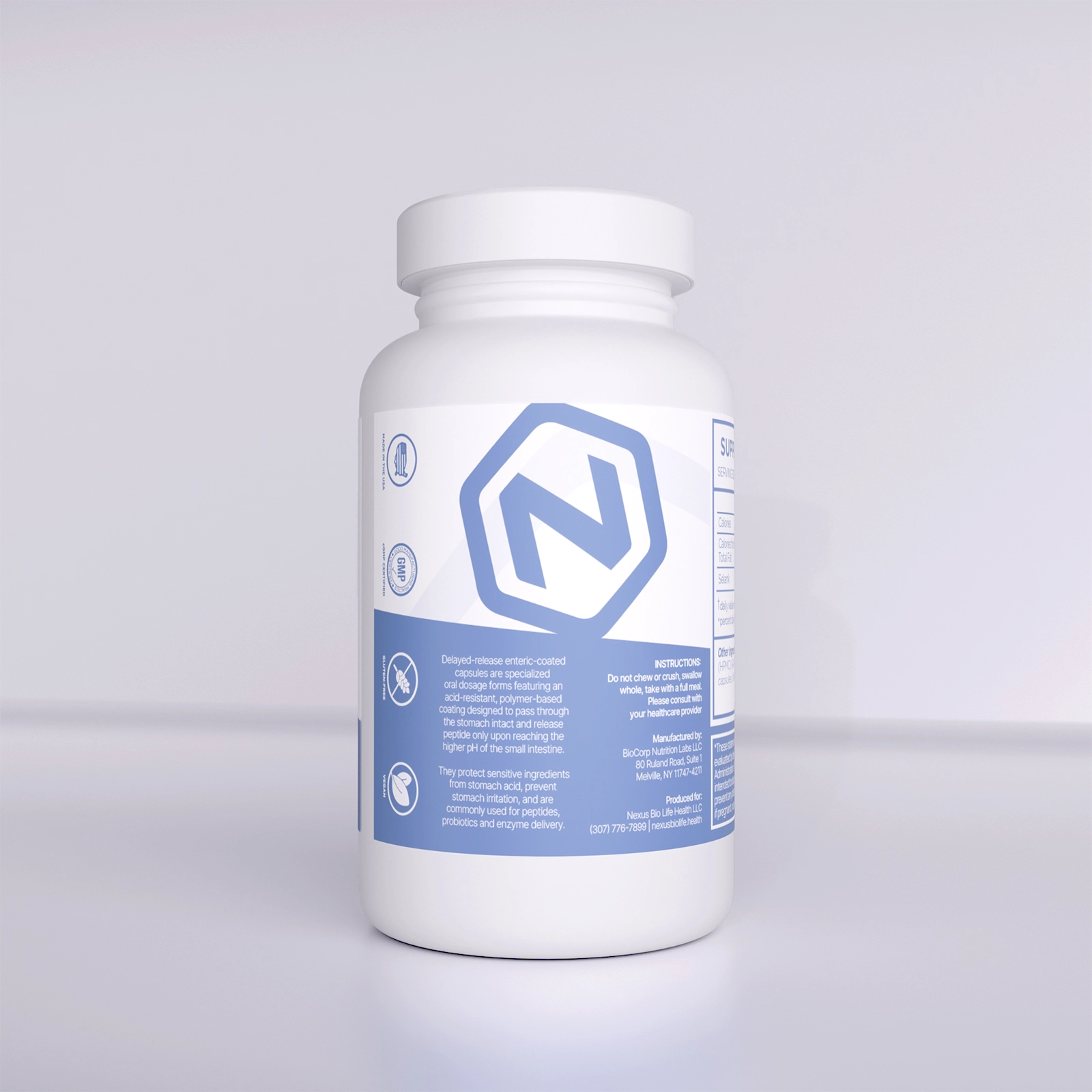
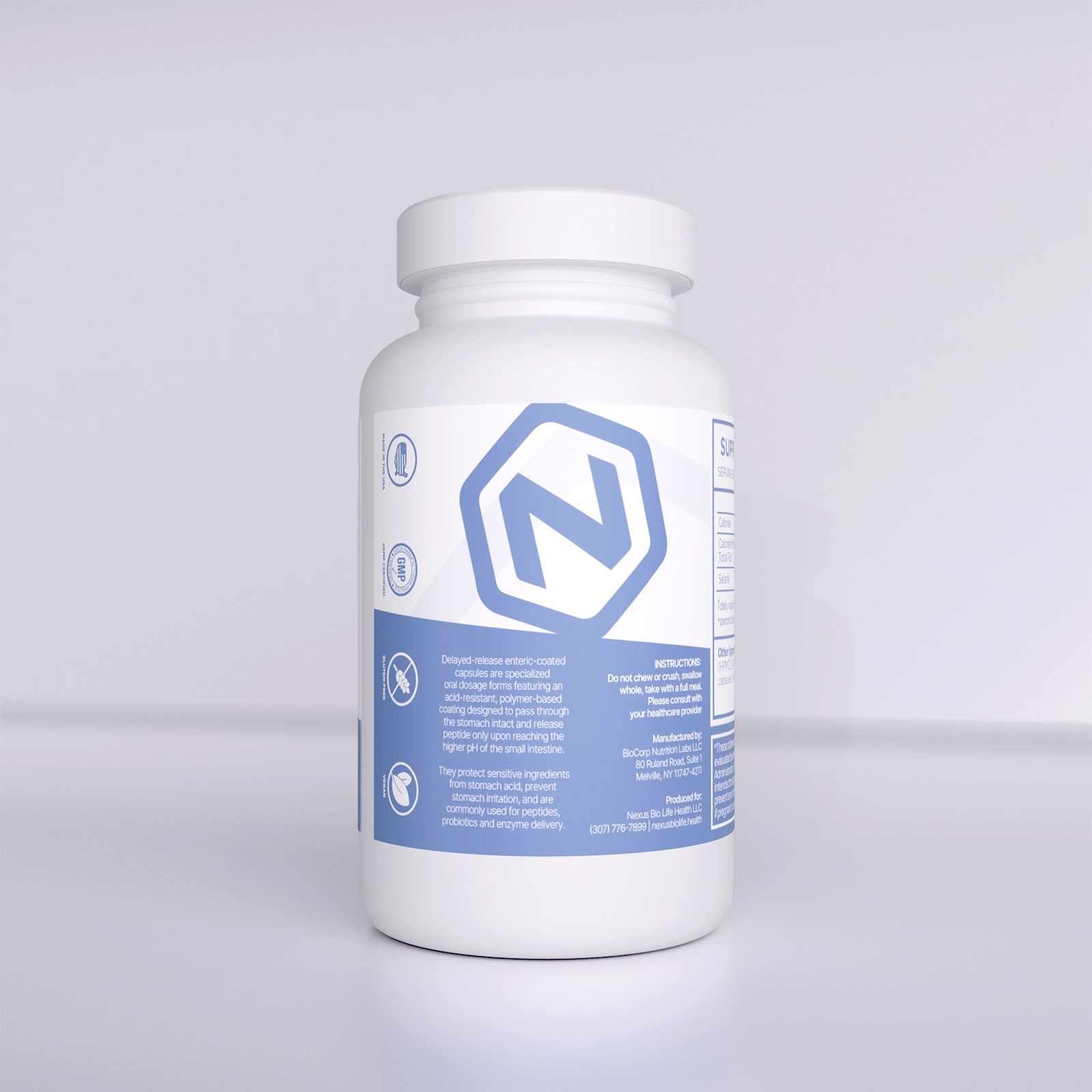
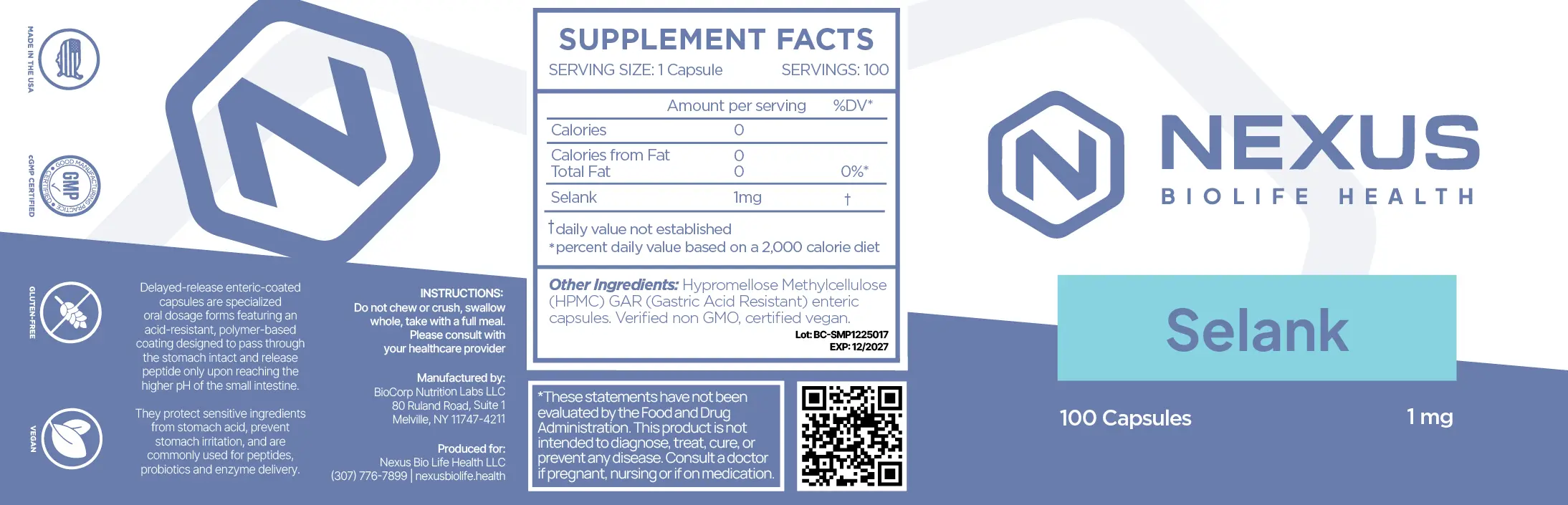
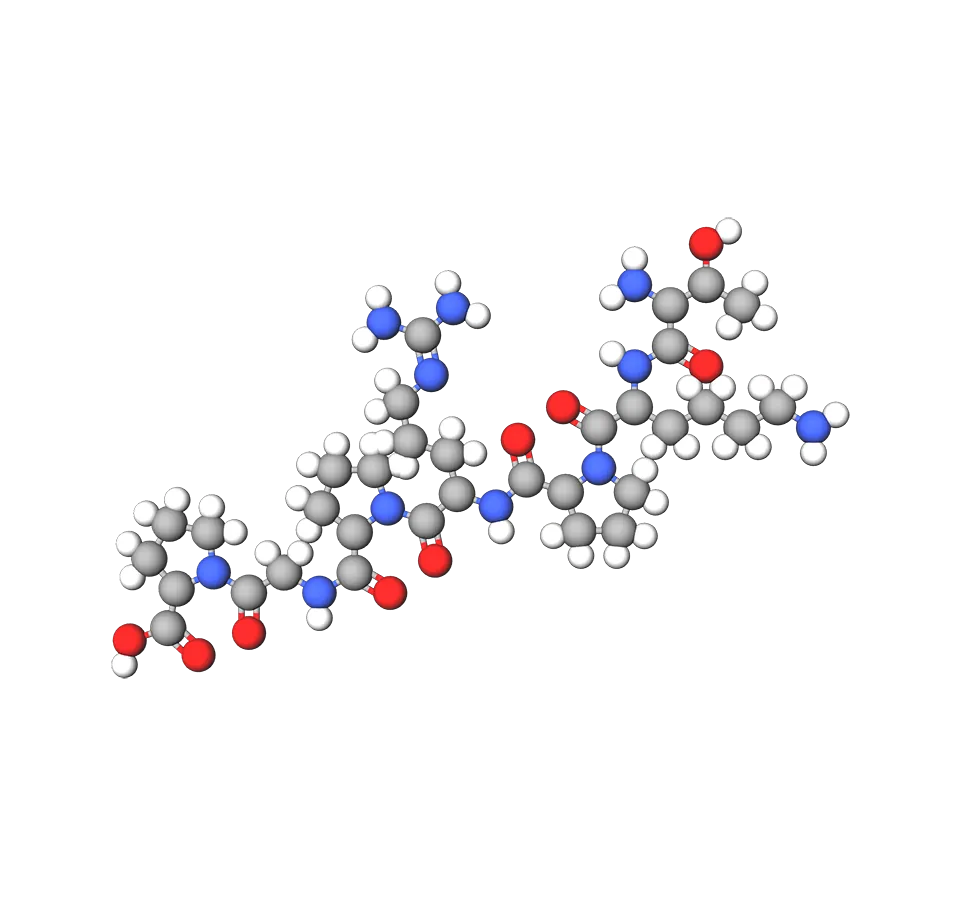
Selank consists of the synthetic amino acid sequence Thr-Lys-Pro-Arg-Pro-Gly-Pro. Its molecular formula is C33H57N11O9, yielding a molecular weight of approximately 751.9 g/mol. It is structurally based on the sequence of Tuftsin (Thr-Lys-Pro-Arg), featuring the specific addition of a Pro-Gly-Pro sequence at the C-terminus. In laboratory environments, this structural modification is utilized to study peptide resistance to rapid enzymatic degradation, specifically extending its half-life during prolonged in-vitro assays compared to native Tuftsin. Our preparations achieve purity levels exceeding 98% by HPLC, with consistent batch-to-batch reproducibility that we document transparently via Certificates of Analysis, ensuring you have highly reliable materials for your biochemical research.
At our company, we're all about making peptide science approachable and reliable for researchers like you. Selank is a synthetic heptapeptide derivative of the naturally occurring peptide Tuftsin. In laboratory environments, it serves as a valuable biochemical tool for investigating peptide stability and receptor interactions in isolated cellular models. This specific research formulation is integrated into a delayed-release matrix, providing a precise delivery mechanism for studying dissolution kinetics and enzymatic resistance in controlled in-vitro assays.
In mechanistic terms, researchers utilize Selank to observe high-specificity receptor binding dynamics and enzymatic degradation rates. In isolated cellular assays, it is frequently studied to map its influence on biochemical pathways, specifically examining its interactions with monoamine receptors and its role in modulating Brain-Derived Neurotrophic Factor (BDNF) expression in cultured environments. The molecule is structurally evaluated for its resistance to rapid hydrolytic breakdown by specific enkephalinase enzymes, granting it an extended half-life during in-vitro experiments. Mechanistically, this extended stability allows researchers to establish controlled experimental models for evaluating prolonged receptor engagement—we're happy to walk through the data behind these pathways, offering straightforward interpretations grounded in the science.
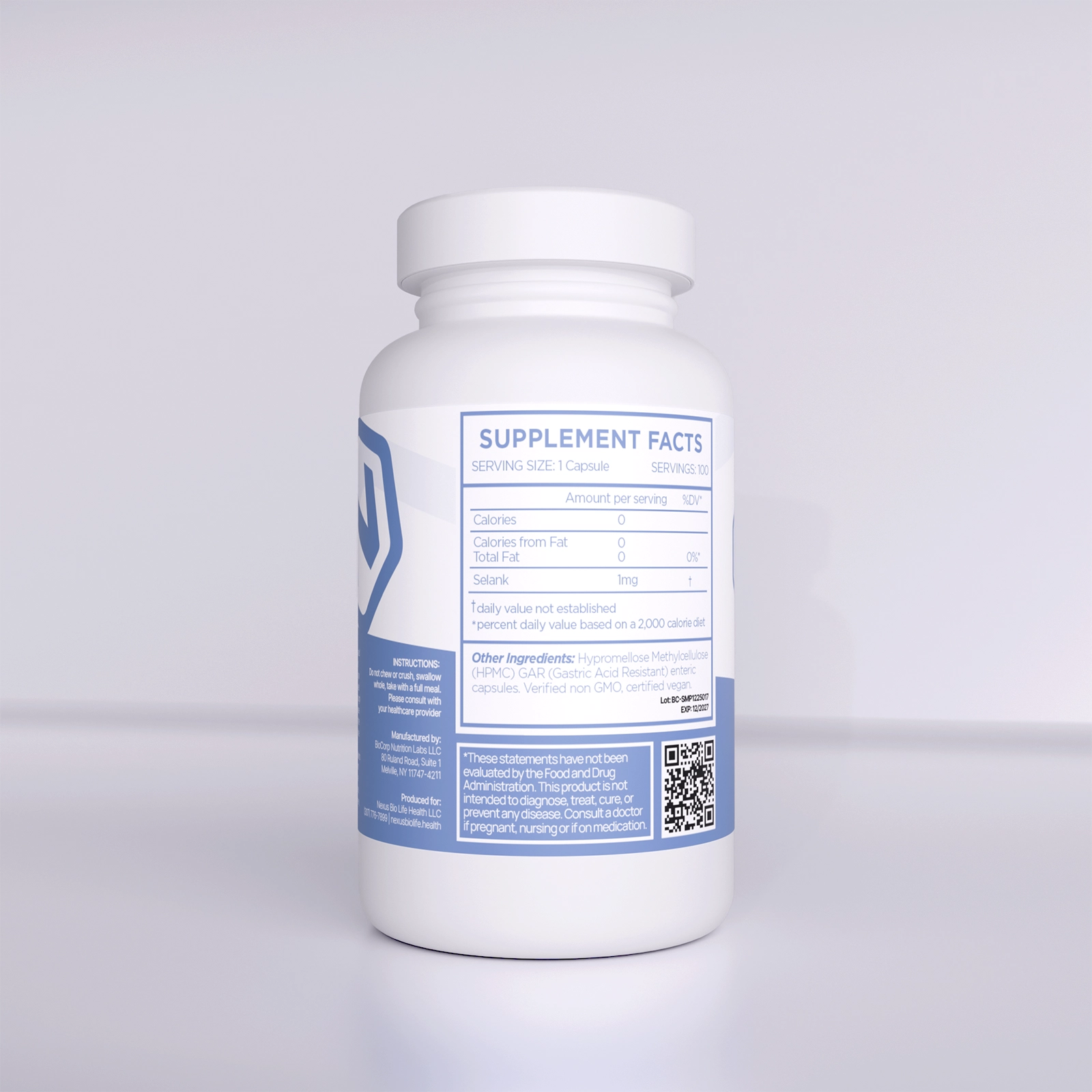
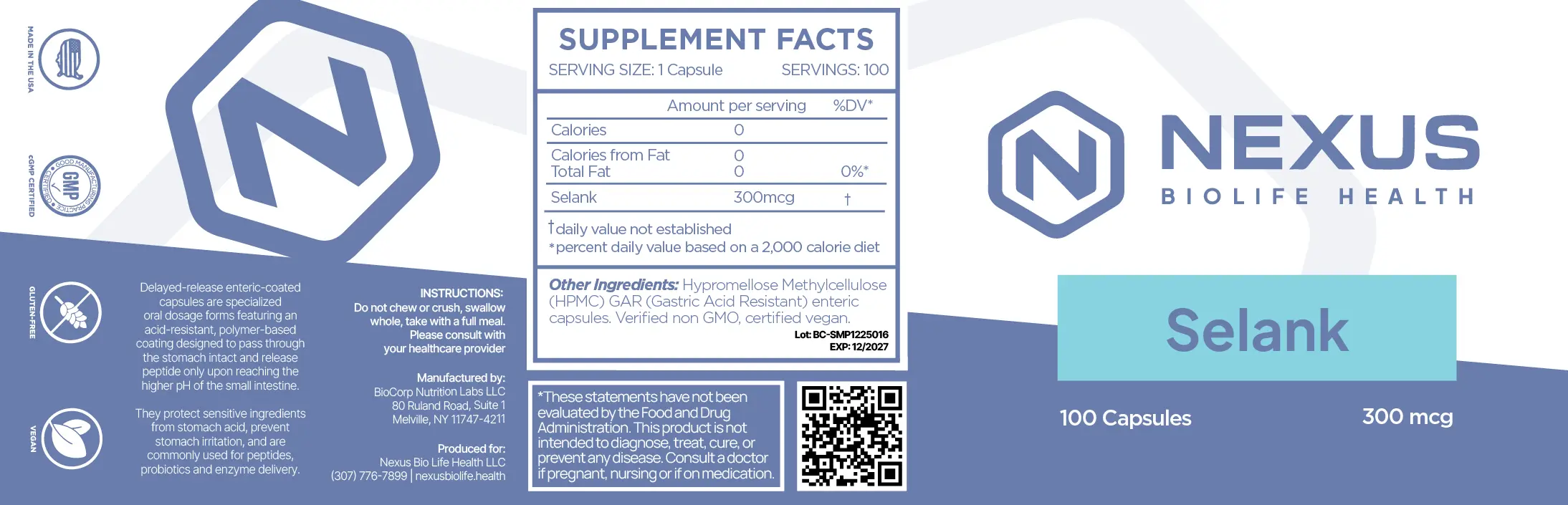
This formulation is provided within specialized capsules designed for simulated dissolution testing and controlled release assays:
In summary, Selank emerges as a precise biochemical tool for evaluating peptide stability and receptor dynamics in laboratory settings, enabling researchers to observe complex biochemical pathways with clarity and control. Its structural resistance to enzymatic degradation and high-affinity receptor interactions underscore our quiet enthusiasm for compounds that bridge basic chemistry with rigorous in-vitro application, all while upholding the highest standards of quality. Let's advance your laboratory research together, one measured insight at a time.
Selank’s unique structural profile makes it a subject of significant interest for in-vitro neurochemical assays. In isolated neural cell models, it is widely utilized to observe its influence on monoamine receptor dynamics and the modulation of BDNF expression, particularly under conditions of simulated oxidative stress. Beyond neurochemical applications, Selank is employed in isolated cellular assays to study the immunomodulatory properties inherited from its parent peptide sequence, Tuftsin, evaluating its impact on cytokine expression in controlled environments. Its ability to maintain structural integrity while engaging specific cellular receptors makes it a valuable tool for complex biochemical mapping. We appreciate the nuance in these biochemical actions and are here to provide insights into how this peptide performs in targeted laboratory assays, keeping things logical and approachable.
For optimal stability, store Selank capsules in a cool, dry environment, preferably at 4°C to -20°C, keeping the container tightly sealed to shield from humidity and light. If extracting contents for solution-based in-vitro assays, the peptide is highly water-soluble; reconstitute in sterile laboratory buffers or standard cell culture media with gentle mixing. Backed by our stability validations, these steps help maintain structural integrity prior to experimental deployment—reach out if you have questions regarding handling or storage.
By clicking "I AGREE" and entering this website, you acknowledge and certify under penalty of perjury that you are at least 18 years of age.