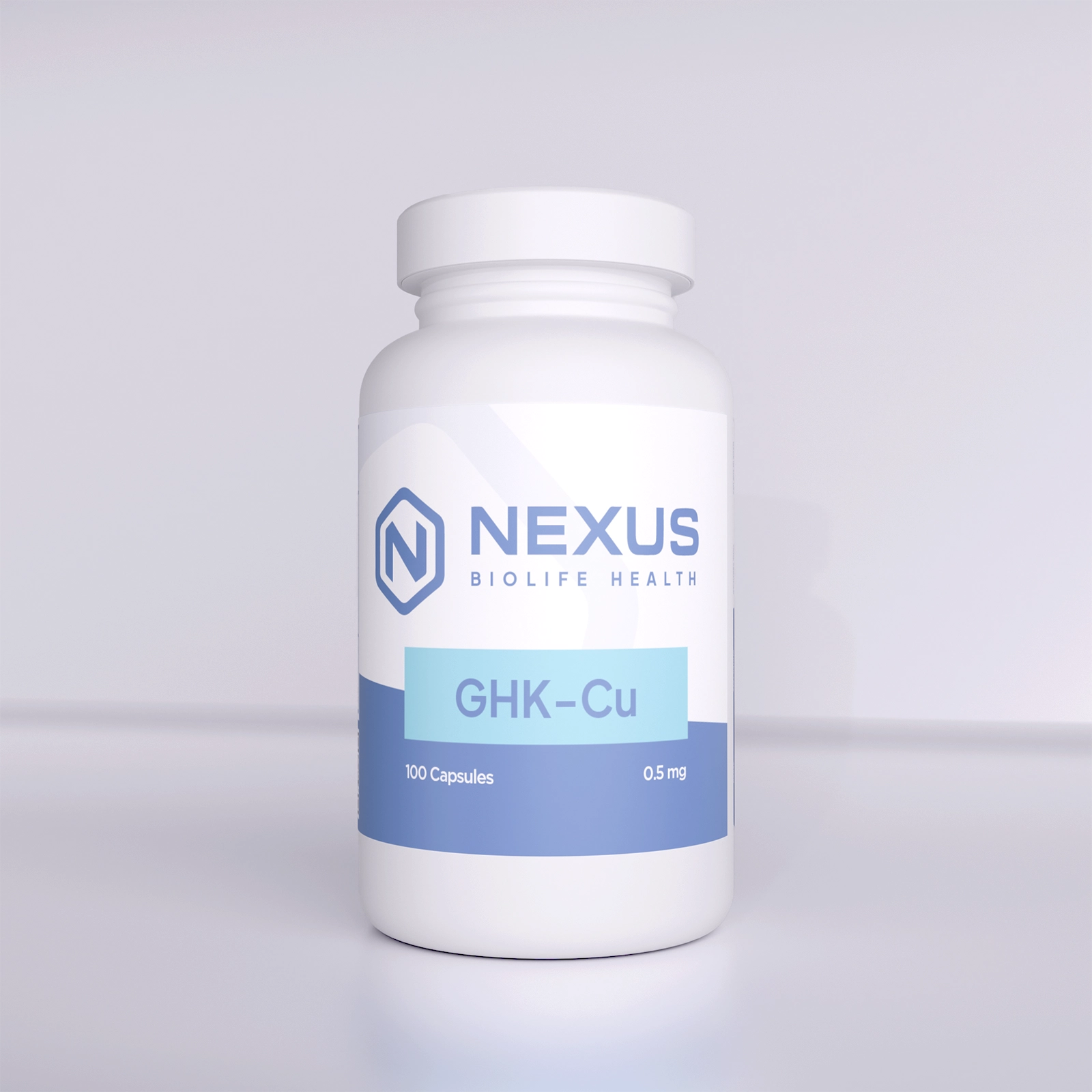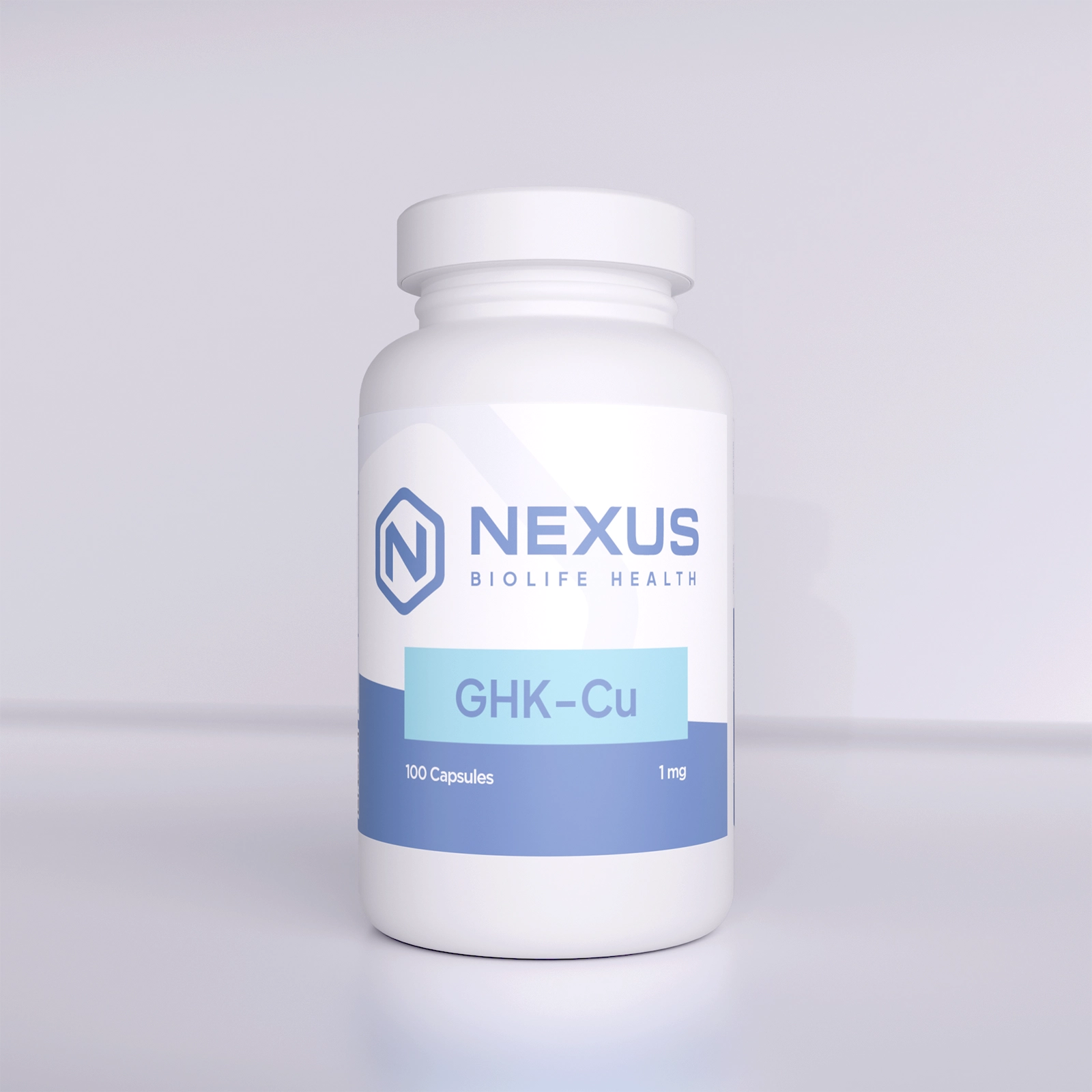


$0.00
GHK-Cu is a copper-binding tripeptide known to stimulate collagen synthesis and tissue remodeling. Discover its potential for skin health and regeneration.
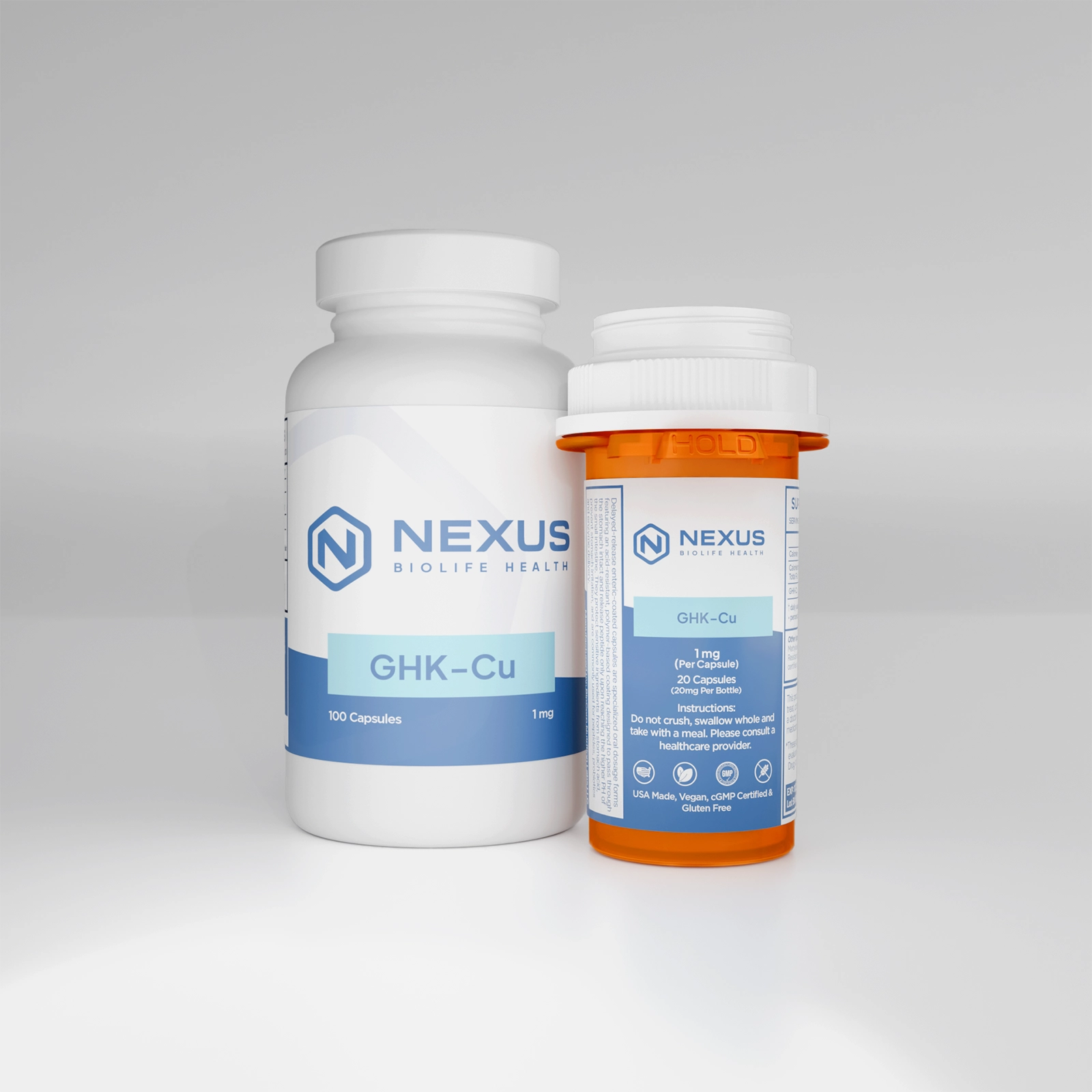
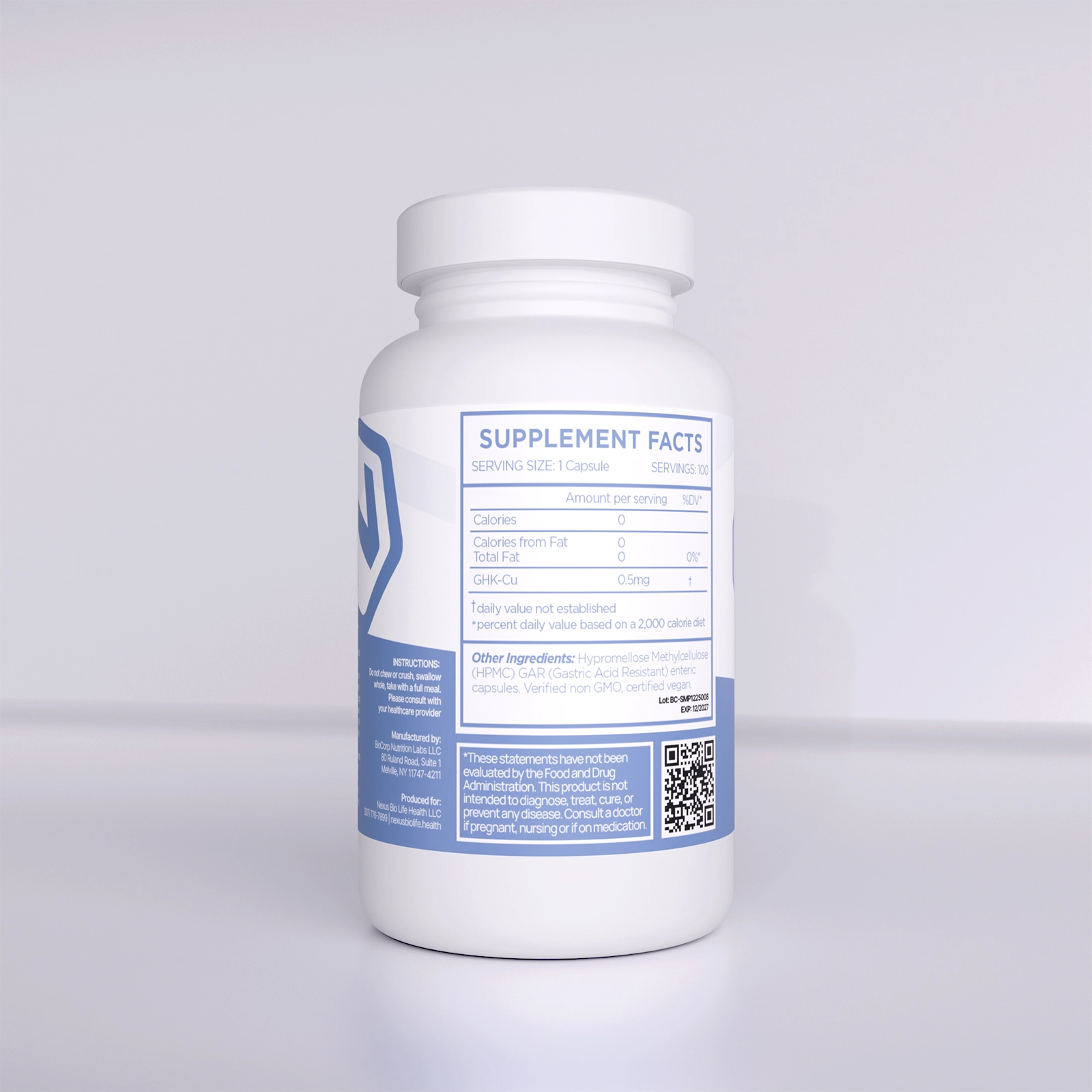
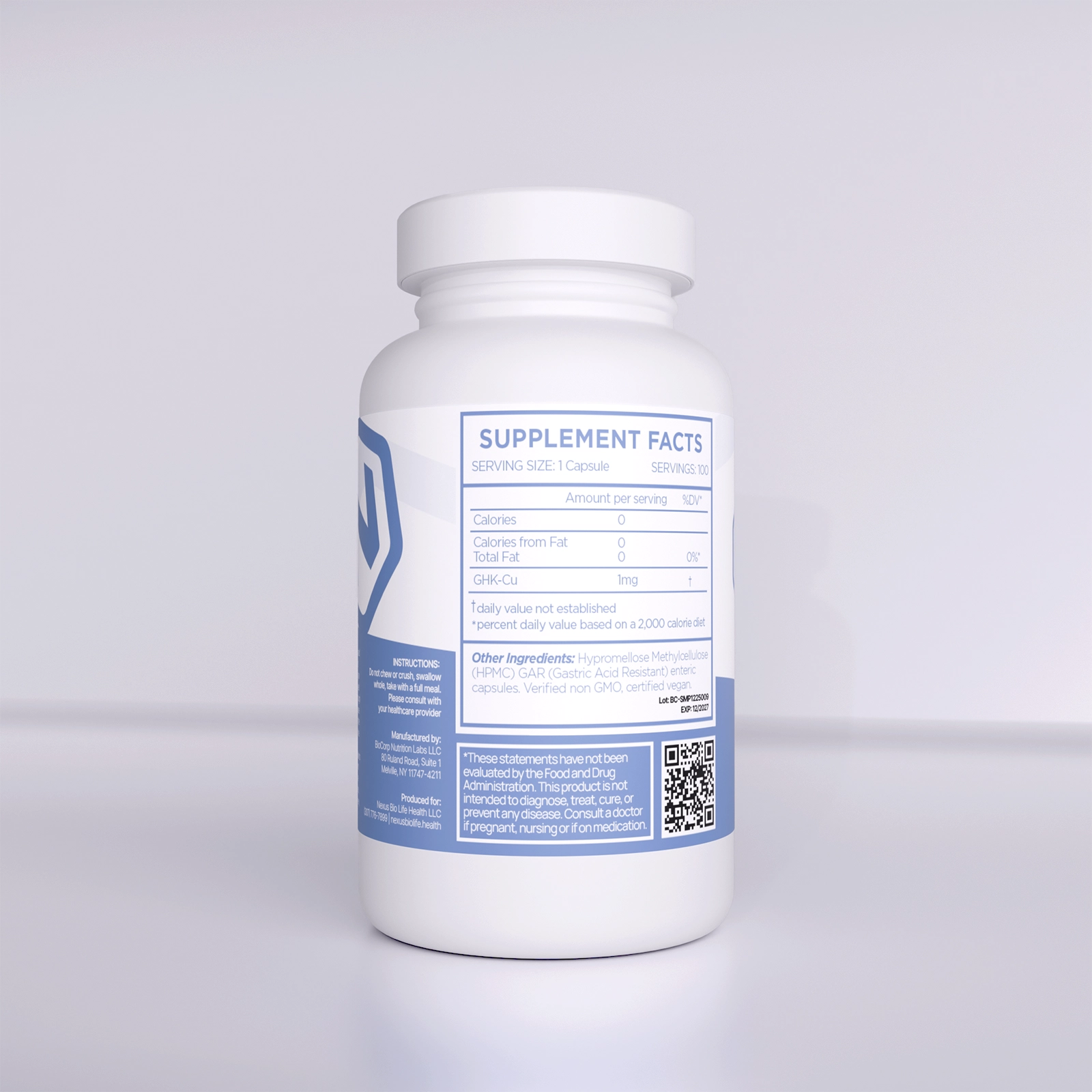
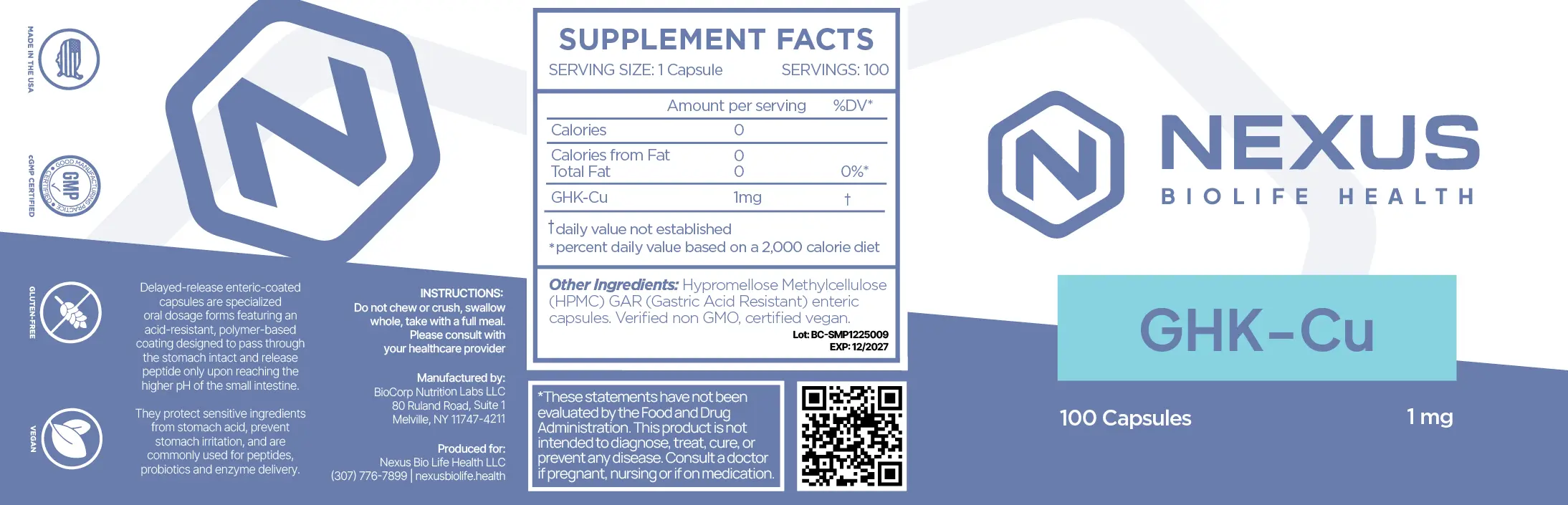
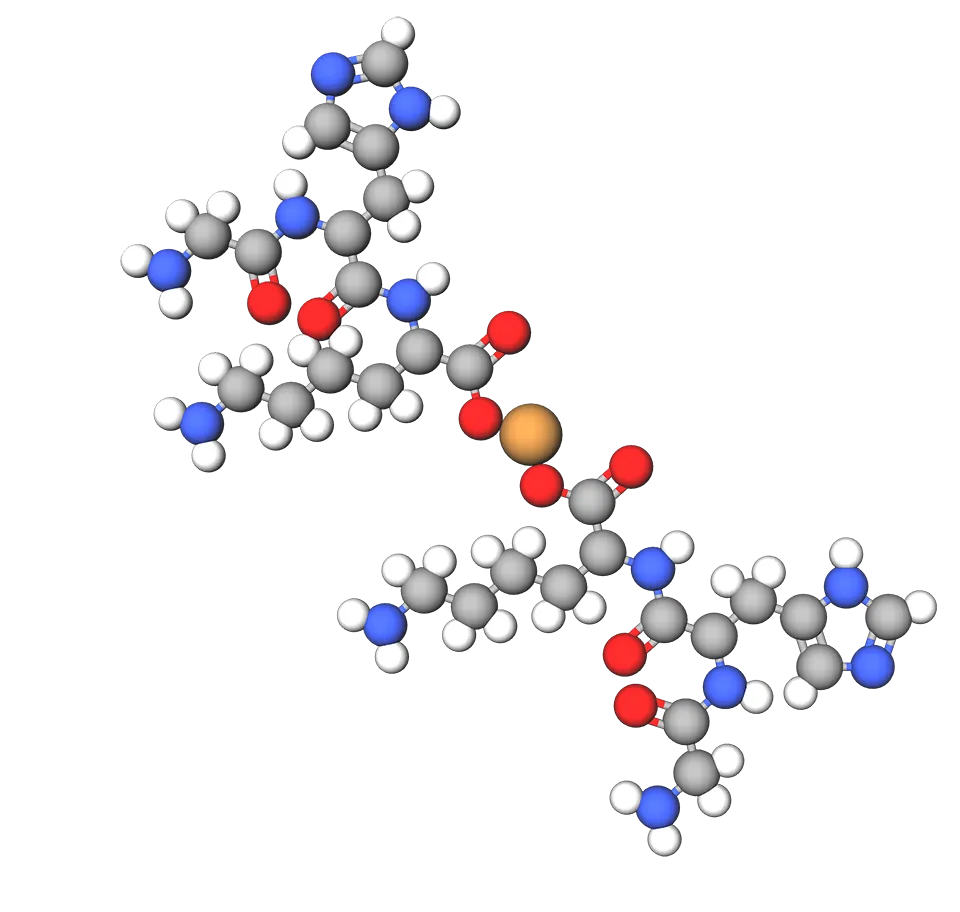
GHK-Cu features a distinct tripeptide sequence (Gly-His-Lys) chelated to a copper (II) ion; its molecular formula is C14H24N6O4Cu, with a molecular weight of approximately 403.9 g/mol. This geometry allows for a tight binding affinity (log stability constant pK ≈ 16.4), ensuring that the copper remains complexed until cellular uptake. Physically, the compound appears as a blue crystalline powder due to the copper coordination. It exhibits high solubility in water and physiological buffers, facilitating easy integration into culture media. Our preparations achieve purity levels exceeding 98% by HPLC, with consistent batch-to-batch reproducibility that we document transparently, so you can focus on your hypotheses with reliable materials at hand.
GHK-Cu is a naturally occurring copper complex of the tripeptide glycyl-L-histidyl-L-lysine, recognized for its ability to support tissue remodeling and anti-aging processes. By functioning as a feedback signal for tissue repair, this compound modulates the activity of metalloproteinases (MMPs) and stimulates the synthesis of critical structural proteins like collagen and elastin. Its high affinity for copper ions ($Cu^{2+}$) allows it to facilitate copper transport, serving as a vital cofactor for enzymes involved in oxidative phosphorylation and the cross-linking of connective tissue. This formulation provides a precise delivery method for a compound that plays a fundamental role in physiological maintenance and resilience.
In mechanistic terms, GHK-Cu influences the expression of over 4,000 genes in human cortex and skin models, upregulating pathways associated with DNA repair, antioxidant defense, and stem cell lifespan recovery. This activation shifts cellular phenotypes from a senescent state toward a regenerative one, reducing inflammatory cytokines (such as TNF-α and IL-6) while promoting angiogenesis. Mechanistically, it accelerates fibroblast proliferation and keratinocyte migration, fostering a conducive environment for structural integrity and tissue restructuring—we're happy to walk through the data behind these pathways, offering straightforward interpretations grounded in the science.
GHK-Cu features a distinct tripeptide sequence (Gly-His-Lys) chelated to a copper (II) ion; its molecular formula is C14H24N6O4Cu, with a molecular weight of approximately 403.9 g/mol. This geometry allows for a tight binding affinity (log stability constant pK ≈ 16.4), ensuring that the copper remains complexed until uptake. Physically, the compound appears as a blue crystalline powder due to the copper coordination. It exhibits high solubility in water and physiological buffers, facilitating efficient absorption. Our preparations achieve purity levels exceeding 98% by HPLC, with consistent batch-to-batch reproducibility that we document transparently, ensuring you have reliable materials at hand.
GHK-Cu’s multifaceted role in tissue homeostasis makes it a subject of intense interest for dermatological and systemic repair. In dermal models, it stimulates the production of decorin and glycosaminoglycans, key components for skin firmness and elasticity. Regarding wound healing, the compound is noted for accelerating closure rates and promoting vascularization, providing support for ischemic tissue recovery. Hair follicle biology also benefits from its potential to enlarge follicle size and inhibit 5-alpha reductase, mechanisms often explored in the context of hair health. Additionally, its influence on osteoblasts supports bone formation by enhancing collagen deposition. We appreciate the nuance in these biological actions and are here to provide insights into how these mechanisms function, keeping things logical and approachable.
For optimal stability, store GHK-Cu capsules in a cool, dry environment, preferably at 4°C to -20°C, keeping the container tightly sealed to shield from humidity and light, which can degrade the peptide-copper bond. The complex is highly water-soluble and designed for stability, but avoid exposure to strong reducing agents or chelators (like EDTA) if removing the powder from the capsule, as these can strip the copper from the peptide. Backed by our stability validations, these steps help maintain integrity—reach out if you have questions about handling or storage.
In summary, GHK-Cu emerges as a precise tool for supporting pathways of cellular regeneration and extracellular matrix remodeling, offering a way to engage youthful tissue repair mechanisms and illuminate strategies for combating senescence with clarity and control. Its role in modulating gene expression and copper transport underscores our quiet enthusiasm for compounds that bridge basic science and practical potential, all while upholding the highest standards of quality.
GHK-Cu’s multifaceted role in tissue homeostasis makes it ideal for in-vitro investigations into dermatological repair, such as in dermal fibroblast cultures where it stimulates the production of decorin and glycosaminoglycans to model skin firmness and elasticity. In wound healing assays, treatment accelerates scratch closure rates and promotes vascularization, providing insights into ischemic tissue recovery. Hair follicle models also benefit from its ability to enlarge follicle size and inhibit 5-alpha reductase, useful for studying alopecia mechanisms. Additionally, in osteoblast assays, it supports bone formation by enhancing collagen deposition, aiding explorations of skeletal health. We appreciate the nuance in these applications and are here to suggest dosing ranges or controls that align with your experimental design, keeping things logical and approachable.
For optimal stability in your laboratory inventory, store GHK-Cu capsules in a cool, dry environment, preferably at 4°C to -20°C, keeping the container tightly sealed to shield from humidity and light, which can degrade the peptide-copper bond. If extracting contents for solution-based assays, the complex is highly water-soluble; reconstitute in sterile bacteriostatic water or saline to achieve desired concentrations. Avoid mixing with strong reducing agents or chelators (like EDTA) which can strip the copper from the peptide.
By clicking "I AGREE" and entering this website, you acknowledge and certify under penalty of perjury that you are at least 18 years of age.