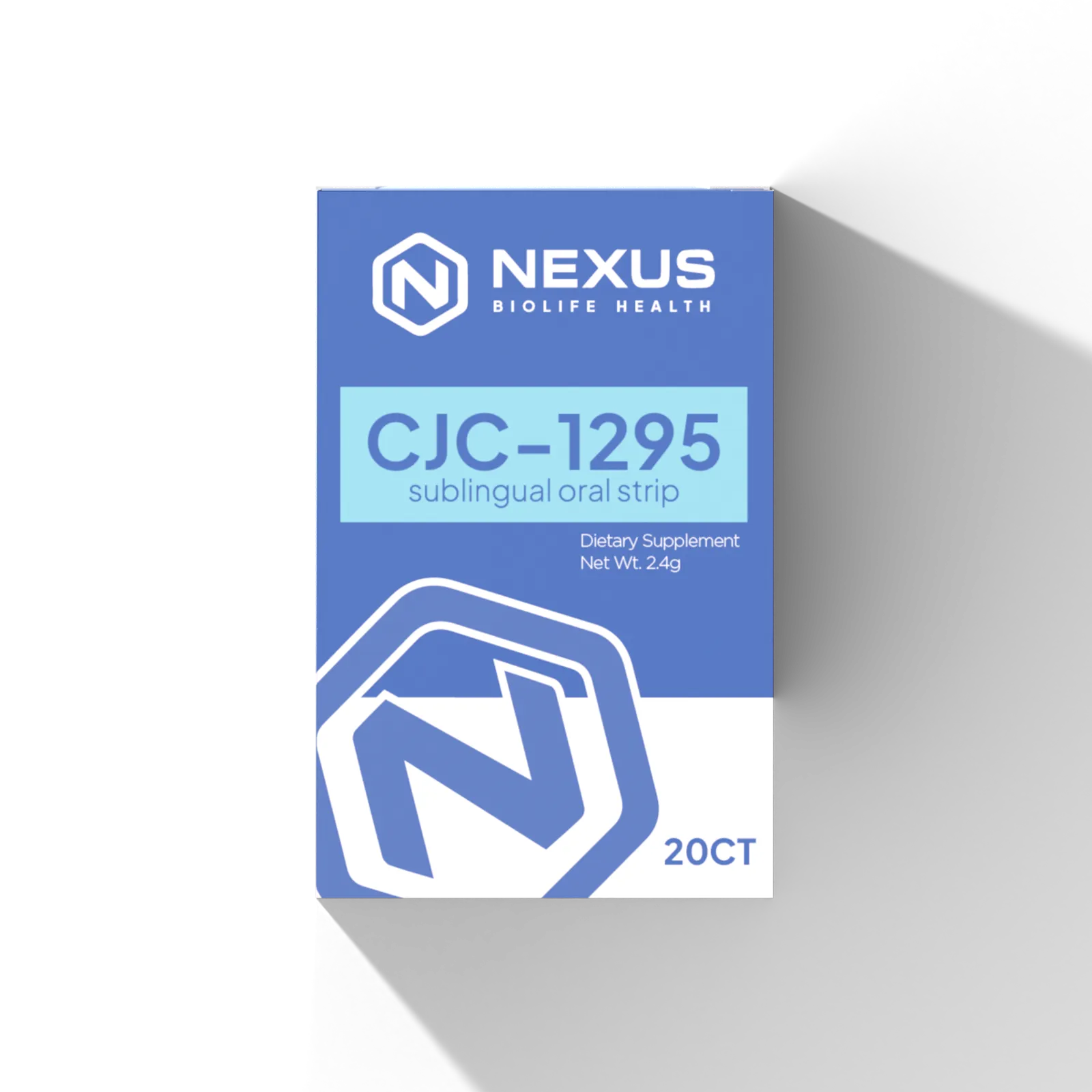


$0.00
CJC-1295 no DAC is a synthetic peptide meticulously prepared for scientific inquiry. This product is synthesized with high purity for laboratory investigations. It is developed for use in various research applications. CJC-1295 no DAC is designated solely for research and development purposes.
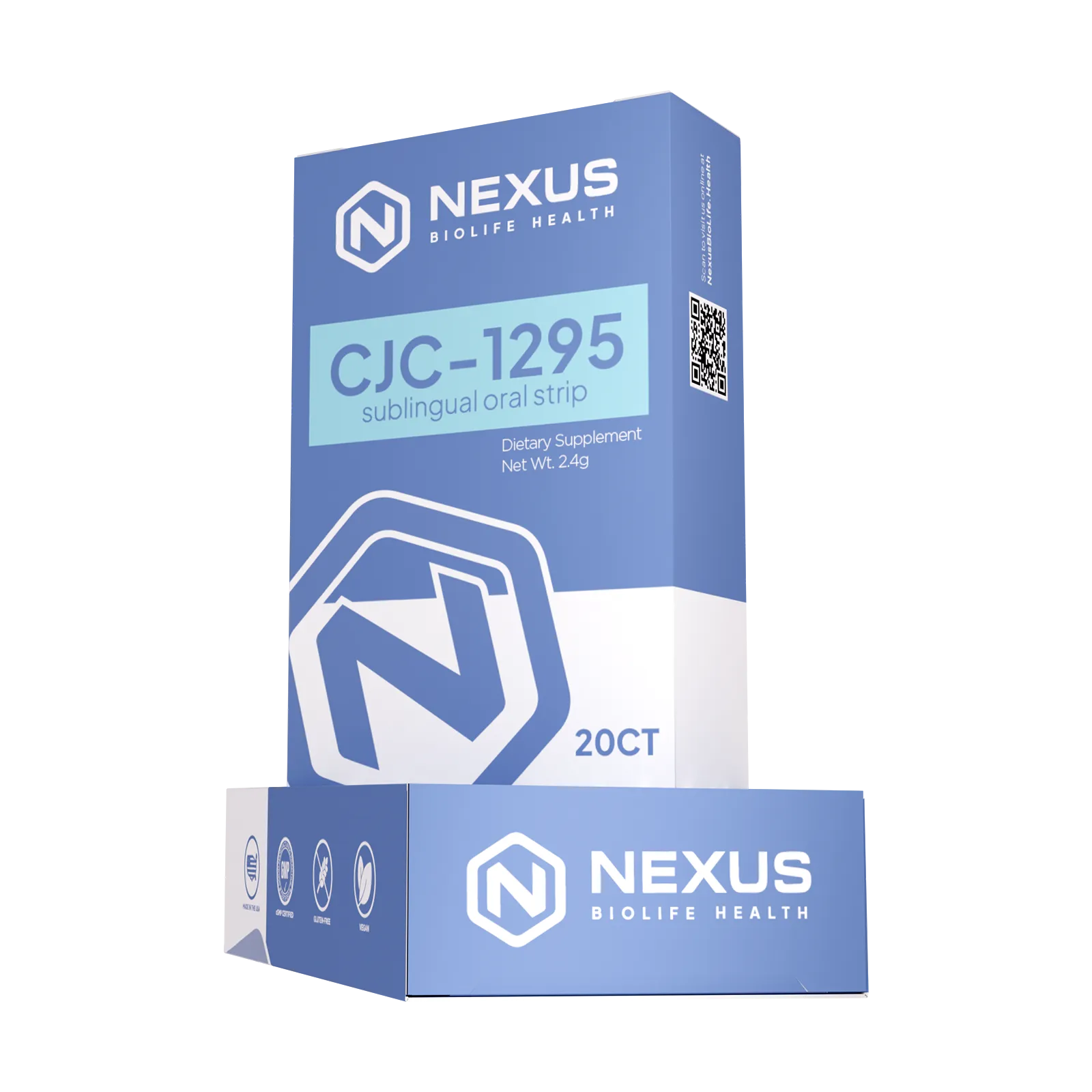
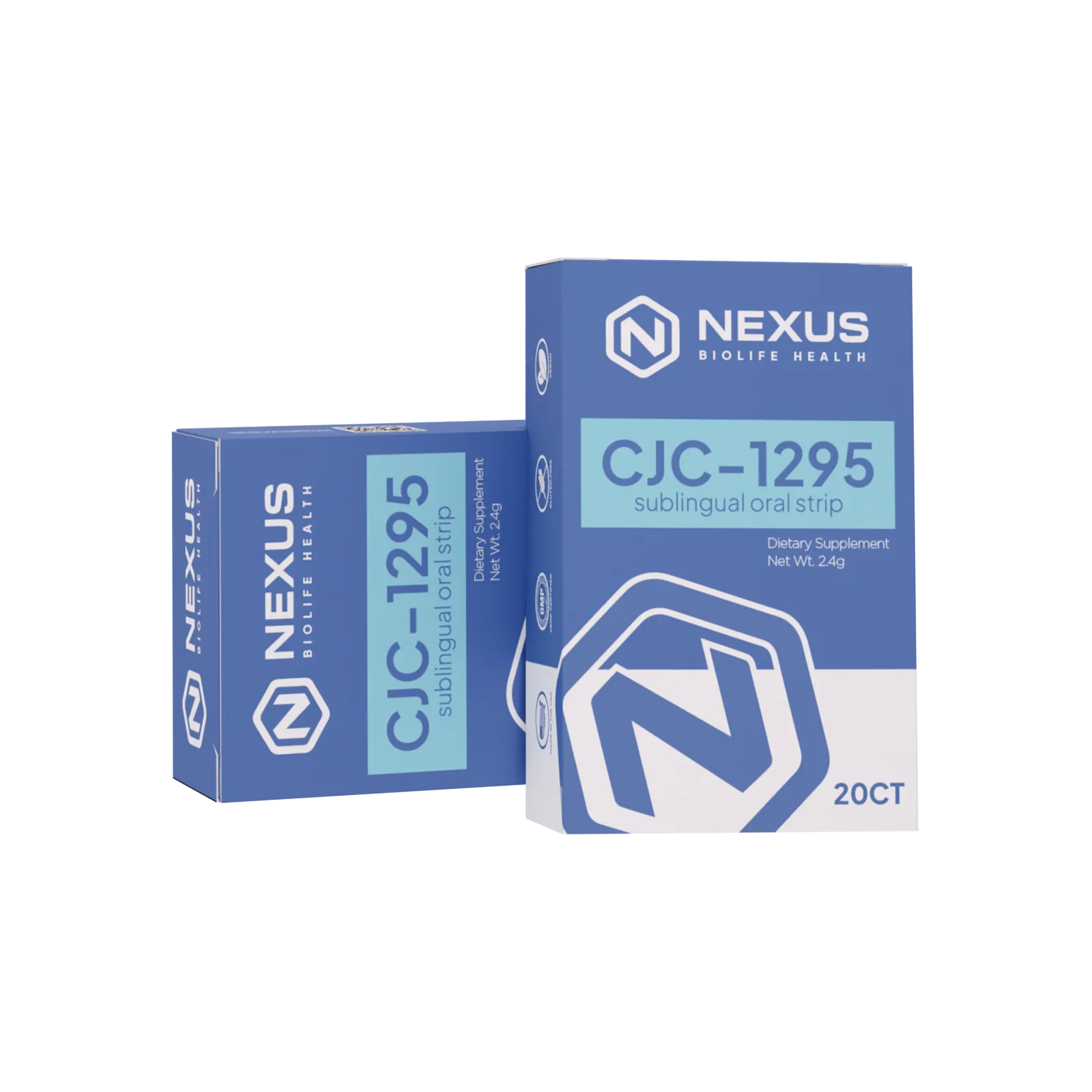
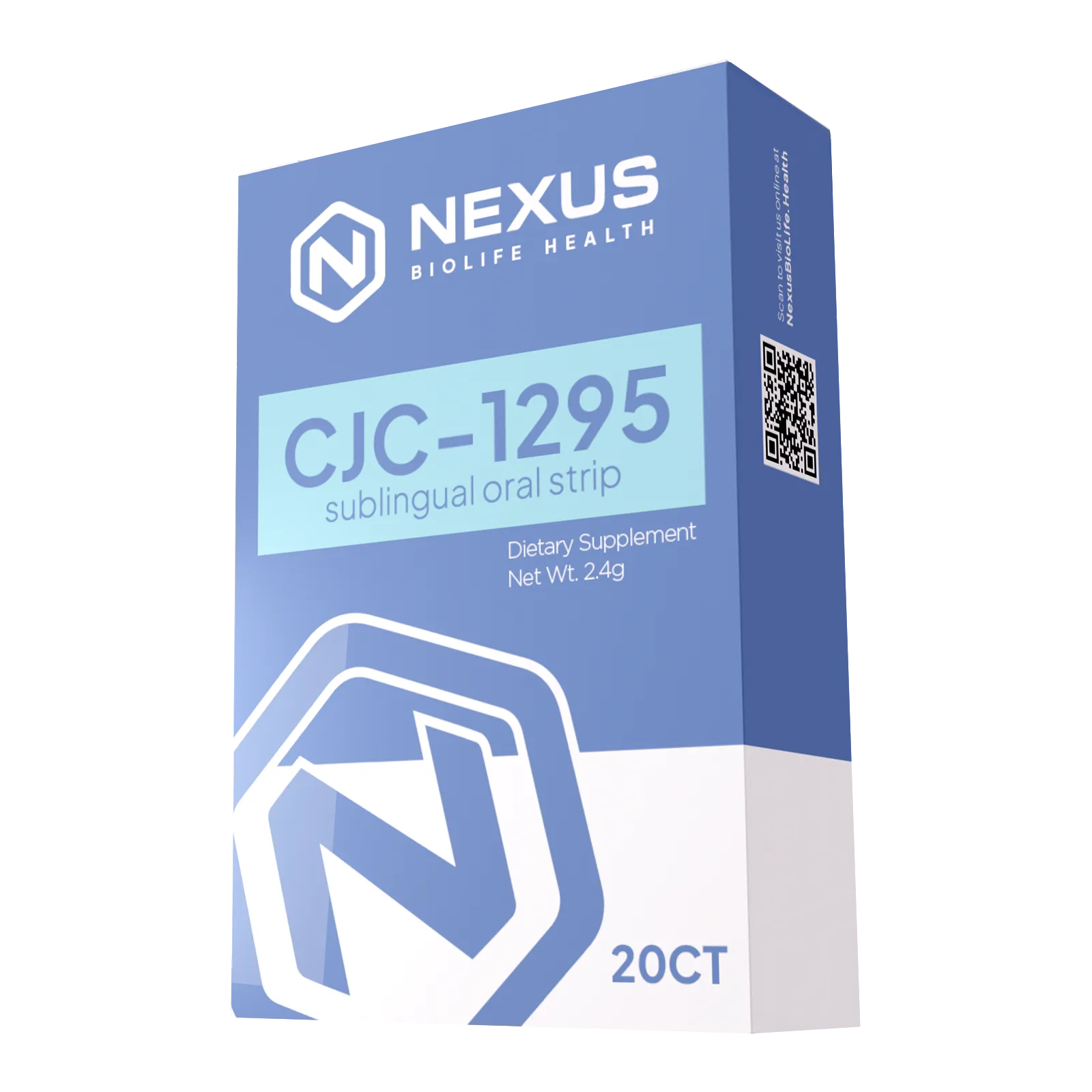
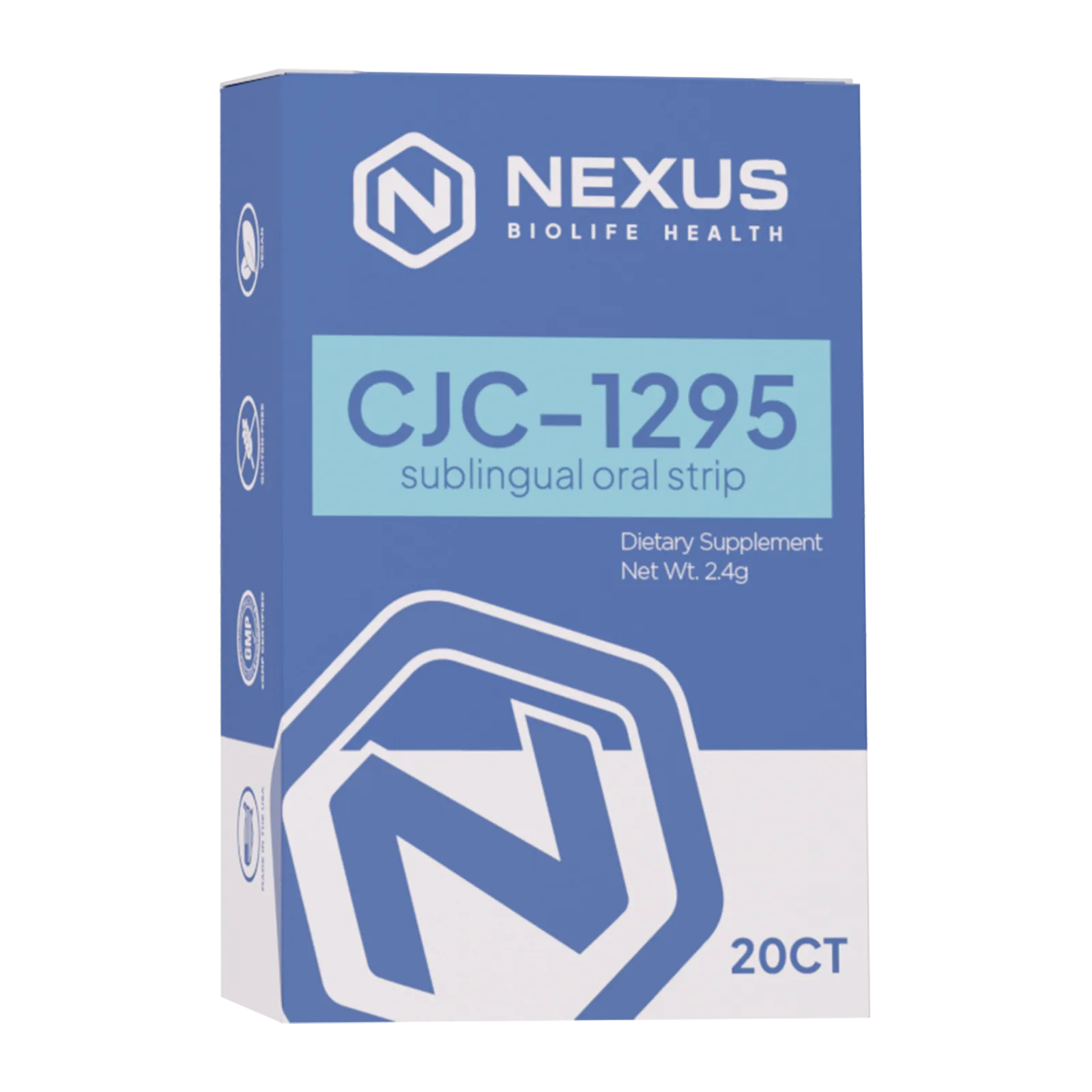
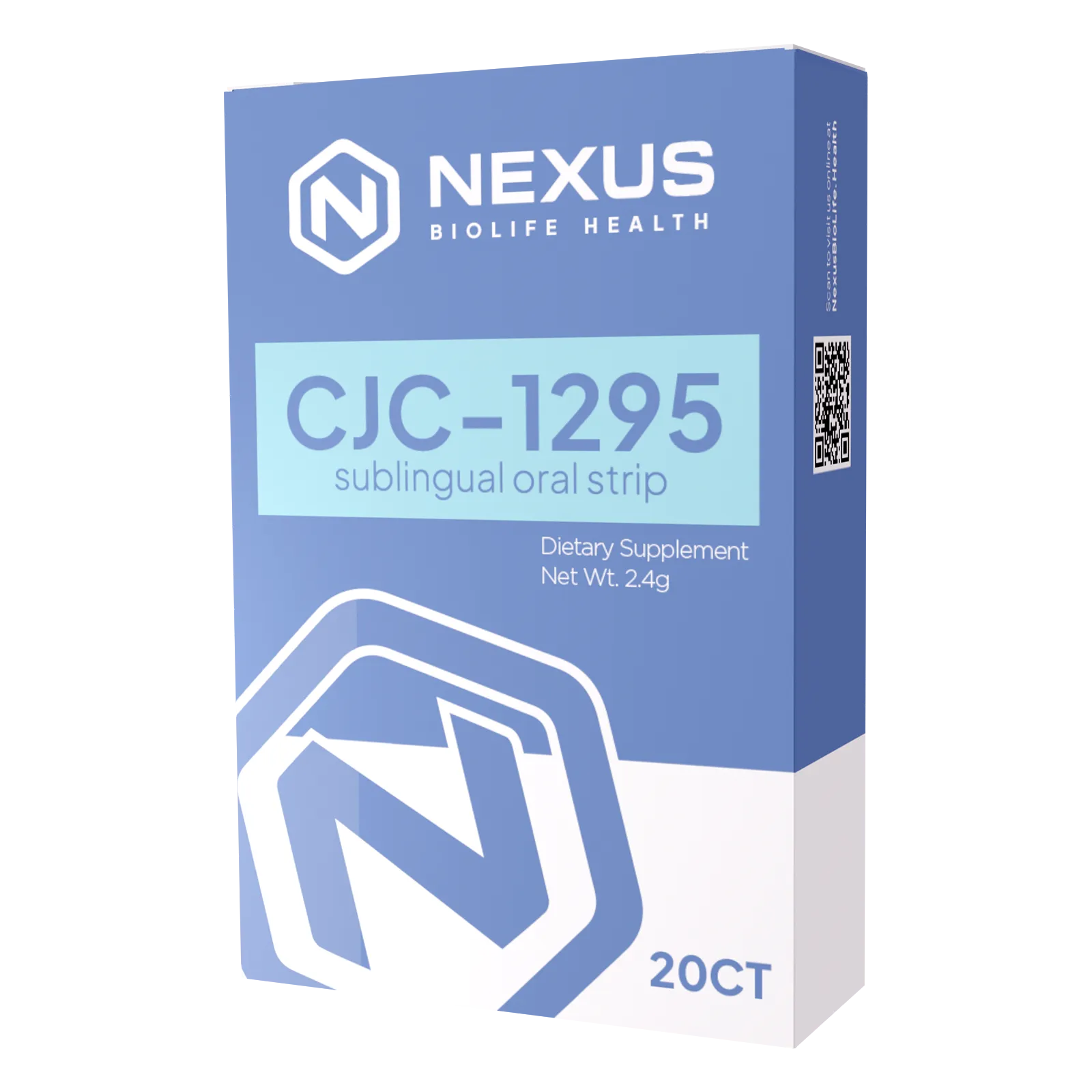
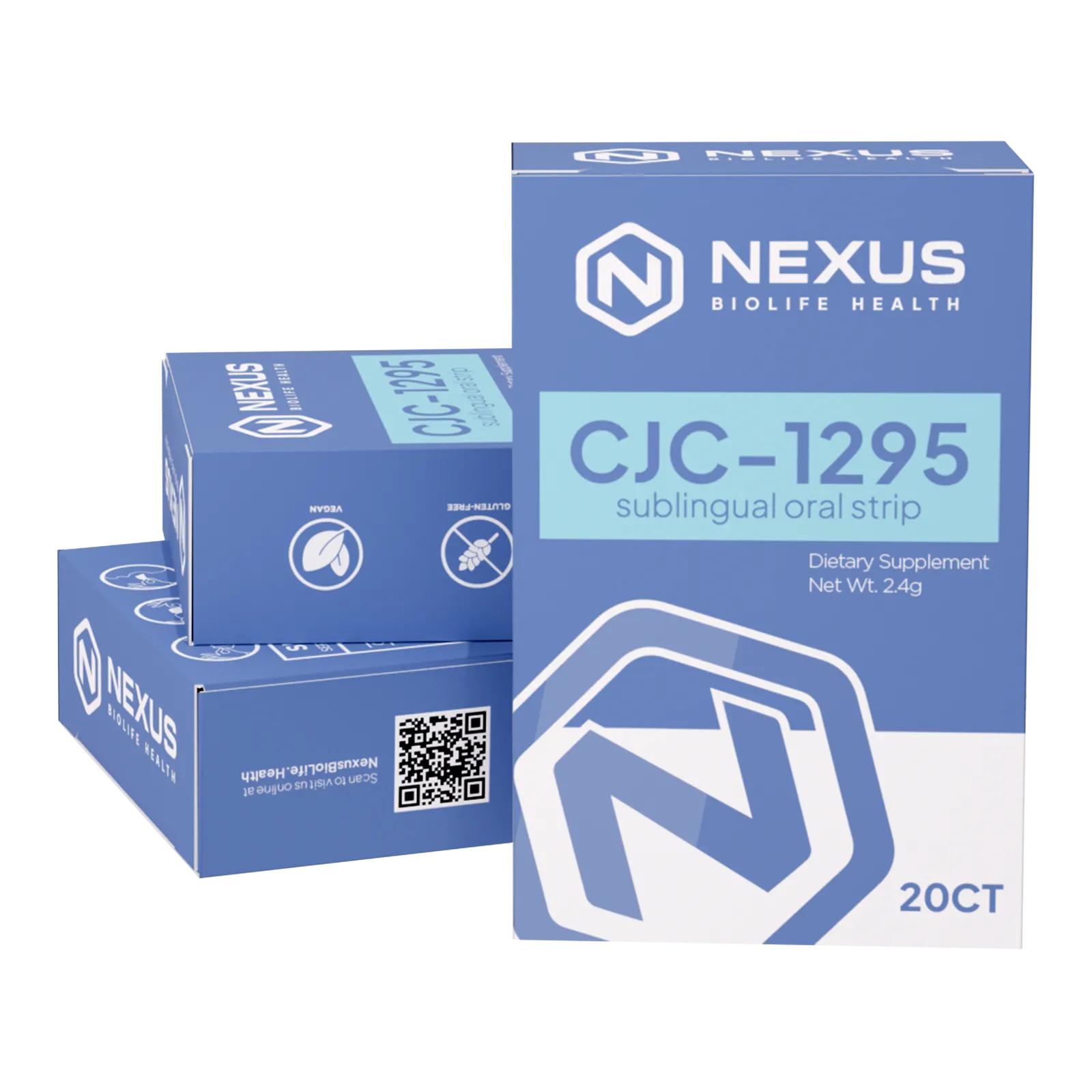
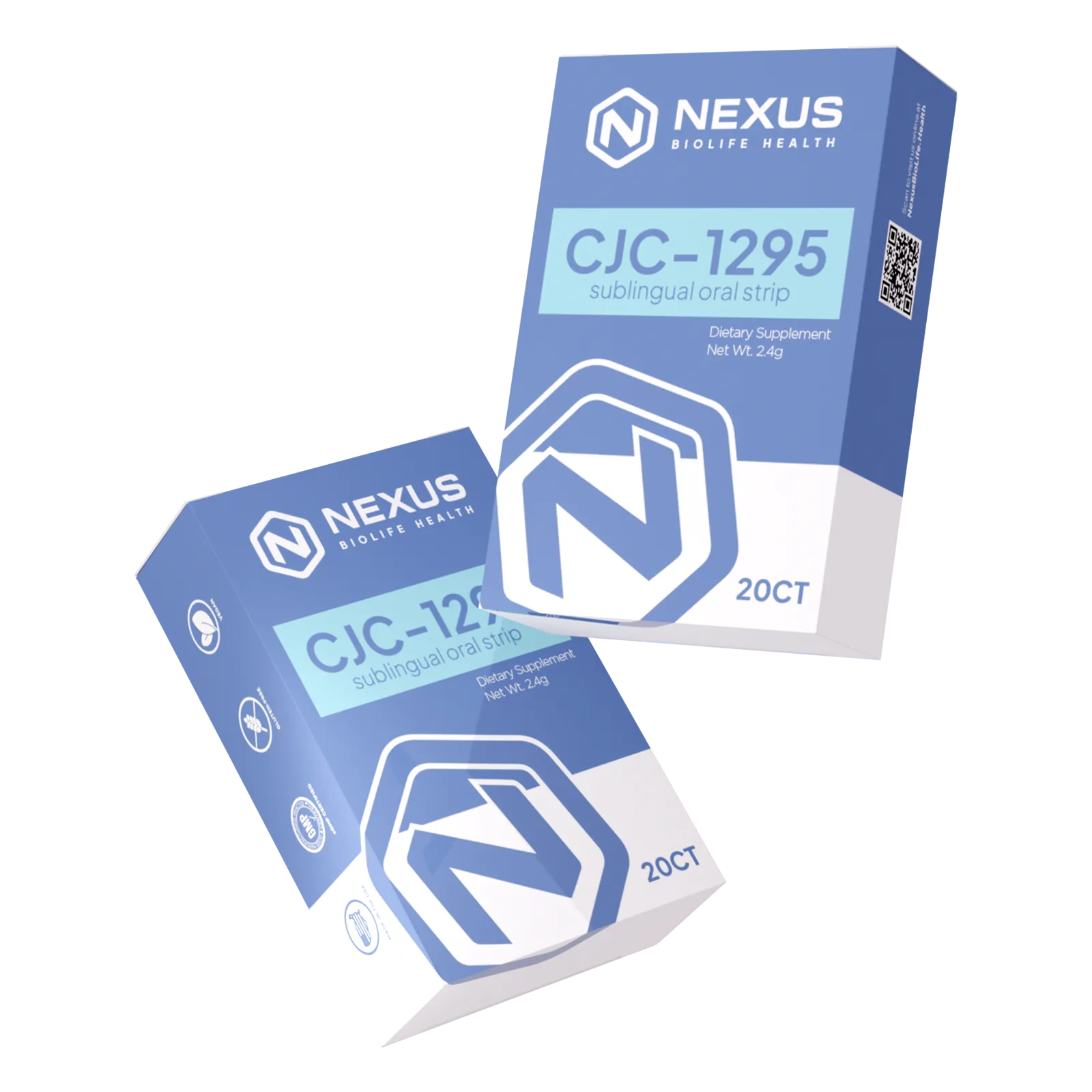
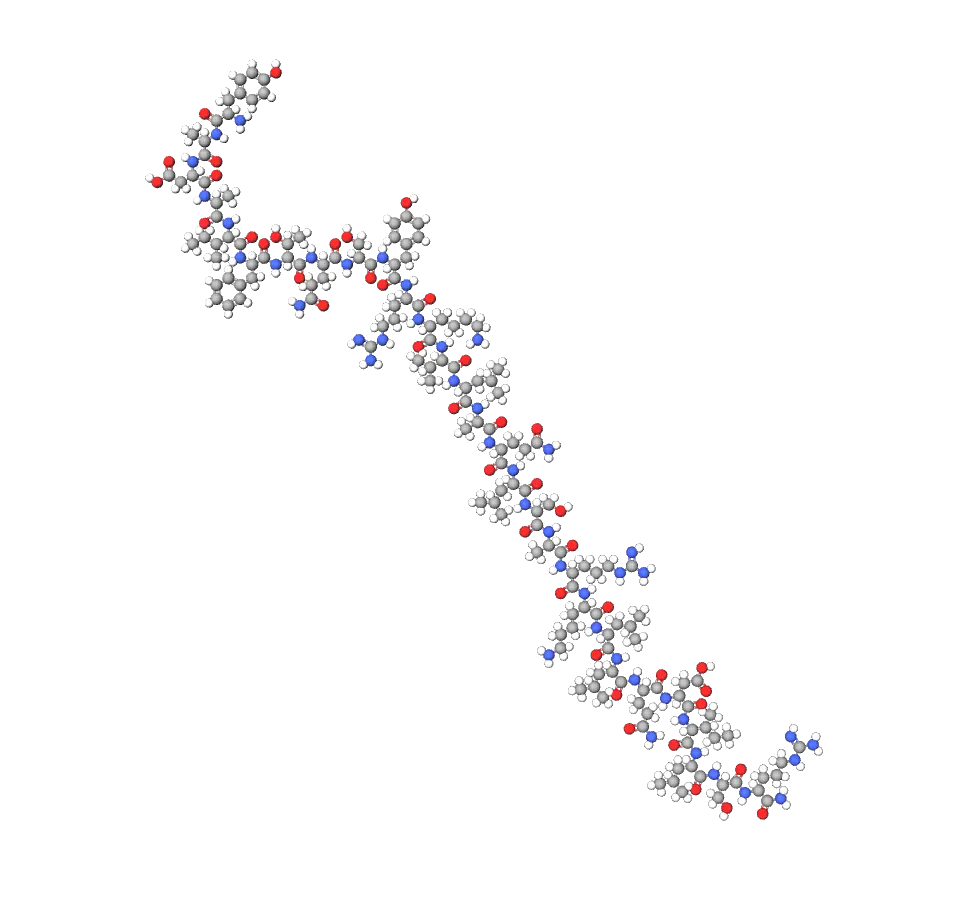
Structurally, CJC-1295 no DAC is a synthetically modified version of GHRH (1-29), incorporating specific amino acid substitutions at positions 2 (D-Ala), 8 (Gln), 15 (Ala), and 27 (Leu). In laboratory environments, these precise structural modifications are utilized to evaluate the peptide's enhanced resistance to enzymatic breakdown and increased receptor binding affinity in-vitro. Its full sequence is H-Tyr-D-Ala-Asp-Ala-Ile-Phe-Thr-Gln-Ser-Tyr-Arg-Lys-Val-Leu-Ala-Gln-Leu-Ser-Ala-Arg-Lys-Leu-Leu-Gln-Asp-Ile-Leu-Ser-Arg-NH2, yielding a molecular weight of approximately 3,367 g/mol. These targeted alterations distinguish the synthetic sequence from native GHRH, which is prone to rapid hydrolytic degradation, providing researchers with a more consistent biochemical standard for controlled dissolution assays.
In terms of physical properties, this specific formulation integrates the high-purity synthetic peptide—verified to exceed 98% purity via HPLC and mass spectrometry analysis—into a hydrophilic, dissolvable film matrix. This matrix ensures the structural integrity of the 29-amino acid sequence is protected prior to experimental application. It exhibits excellent solubility when the film is introduced to aqueous buffers, but we advise careful handling of the solvated compound to avoid molecular aggregation. Unlike its DAC-conjugated counterpart, which extends half-life through covalent albumin binding, CJC-1295 no DAC relies strictly on its intrinsic structural modifications for stability in media. This results in a controlled, predictable duration of action that provides a specific kinetic profile for isolated receptor binding assays. This makes it particularly suited for in-vitro studies requiring transient receptor agonism rather than prolonged structural exposure.
At our company, we're all about making peptide science approachable and reliable for researchers like you. CJC-1295 no DAC, also referred to as Modified GRF (1-29), is a synthetic analog of growth hormone-releasing hormone (GHRH). This specific peptide sequence incorporates structural substitutions to improve baseline stability and binding affinity over native GHRH, making it a highly reliable biochemical probe for in-vitro investigations into specific receptor signaling. This specific research formulation is integrated into a novel dissolvable film matrix, designed to provide a precise, needle-free delivery mechanism for rapid dissolution directly into in-vitro culture media.
In mechanistic terms, researchers utilize CJC-1295 no DAC to observe its function as a high-affinity GHRH receptor agonist. In isolated cellular models, it is studied to map its binding dynamics to specific somatotropic receptors to trigger observable intracellular signaling cascades. Upon simulated activation, researchers evaluate the elevation of cyclic AMP (cAMP) markers in cultured environments. This specific receptor-binding profile allows researchers to observe targeted signaling without inadvertently cross-activating adjacent receptor pathways in controlled assays. This selective action stems from its structural homology to native GHRH, but with enhanced binding kinetics due to the sequence substitutions that reduce susceptibility to rapid hydrolytic breakdown by proteases like dipeptidyl peptidase-IV (DPP-IV).
In structural cellular assays, it has been observed to induce reproducible dose-dependent binding metrics, with measurable effects amplified when introduced to specific phosphodiesterase inhibitors that sustain cAMP signaling in-vitro. Furthermore, its application in extended-exposure assays allows researchers to map corresponding cellular transcription markers under highly controlled conditions. Overall, its structure provides a reproducible standard for evaluating the GHRH-receptor axis, allowing researchers to explore simulated feedback loops and downstream signal transduction in isolated systems. We're always here to clarify these biochemical pathways—feel free to reach out if you'd like tips on targeted assay design.
In essence, CJC-1295 no DAC serves as a precise and reliable biochemical tool for dissecting the intricacies of receptor agonism, offering researchers a controlled GHRH analog to uncover fundamental signaling mechanisms in isolated settings. Its tailored structure and targeted binding affinity empower complex in-vitro studies that advance our collective understanding of intracellular signal transduction, all while we uphold our dedication to transparency and excellence. Exclusively for in-vitro laboratory research, this compound exemplifies our commitment to supporting your scientific journey with approachable expertise and unwavering integrity. Let's collaborate to illuminate the next breakthrough—one thoughtful experiment at a time.
For Research Use Only. Not for human use. All products offered are intended strictly for laboratory research purposes only. They are NOT for human or animal consumption, nor are they to be used as drugs, diagnostics, therapeutics, food additives, cosmetics, or household chemicals.
This synthetic peptide formulation finds broad utility in highly controlled in-vitro assays focused on receptor dynamics and simulated intracellular signaling. In isolated cellular models, CJC-1295 no DAC is commonly used as a biochemical standard to assess targeted receptor kinetics and signal transduction without the extended hydrolytic resistance seen in DAC variants. Its specific degradation profile—evaluated during in-vitro simulated physiological fluid models—enables targeted studies of transient receptor binding, providing a predictable kinetic timeline for comparative structural assays.
Beyond receptor binding studies, it is employed in isolated metabolic research models, such as investigating simulated cellular responses and specific transcription markers in cultured hepatic or adipocyte assays. Researchers have also applied this synthetic analog in combination with other experimental secretagogues, like GHRP analogs, to examine co-receptor activation and specific downstream intracellular signaling in isolated tissue models. In complex dissolution assays, its measurable interaction with enzymes like DPP-IV provides an excellent standard for probing peptide degradation kinetics and protease activity. We encourage exploring these specific biochemical interactions responsibly, and our transparency ensures you have reliable data to optimize your laboratory protocols.
Proper storage and preparation are essential to preserve the structural integrity of CJC-1295 no DAC prior to your experiments. Store the dissolvable film matrices at -20°C or below in a climate-controlled, dry environment to prevent moisture-induced degradation. When preparing for experimental application, allow the film to rapidly dissolve directly into sterile laboratory buffers or standard cell culture media to achieve desired micromolar concentrations, gently swirling the media to facilitate dissolution without inducing mechanical shear stress on the peptide sequence. Avoid vigorous shaking, as it may permanently denature the complex peptide bonds.
Once dissolved in assay media, solutions should be utilized promptly in experimental setups, with any remaining fluid stored at 2-8°C for short-term preservation or frozen for longer-term assay use—though we strongly recommend fresh dissolution for optimal biochemical stability. Our rigorous quality controls ensure the highest purity standards, but always verify uniform solubility and pH neutrality of your specific laboratory buffers prior to use. If you encounter any handling questions regarding this film matrix formulation, our team is ready to provide guidance based on best practices.
By clicking "I AGREE" and entering this website, you acknowledge and certify under penalty of perjury that you are at least 18 years of age.
