

$0.00
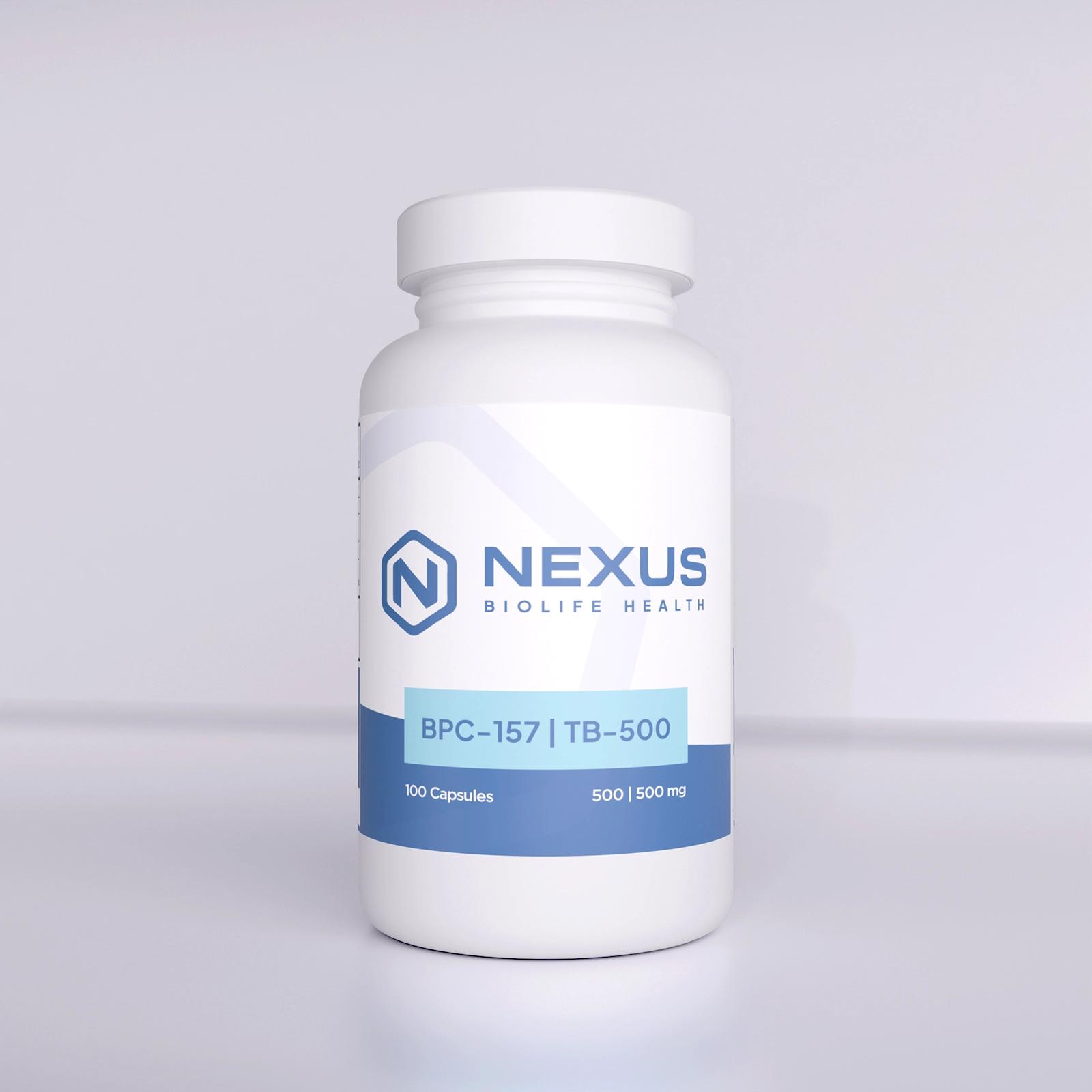
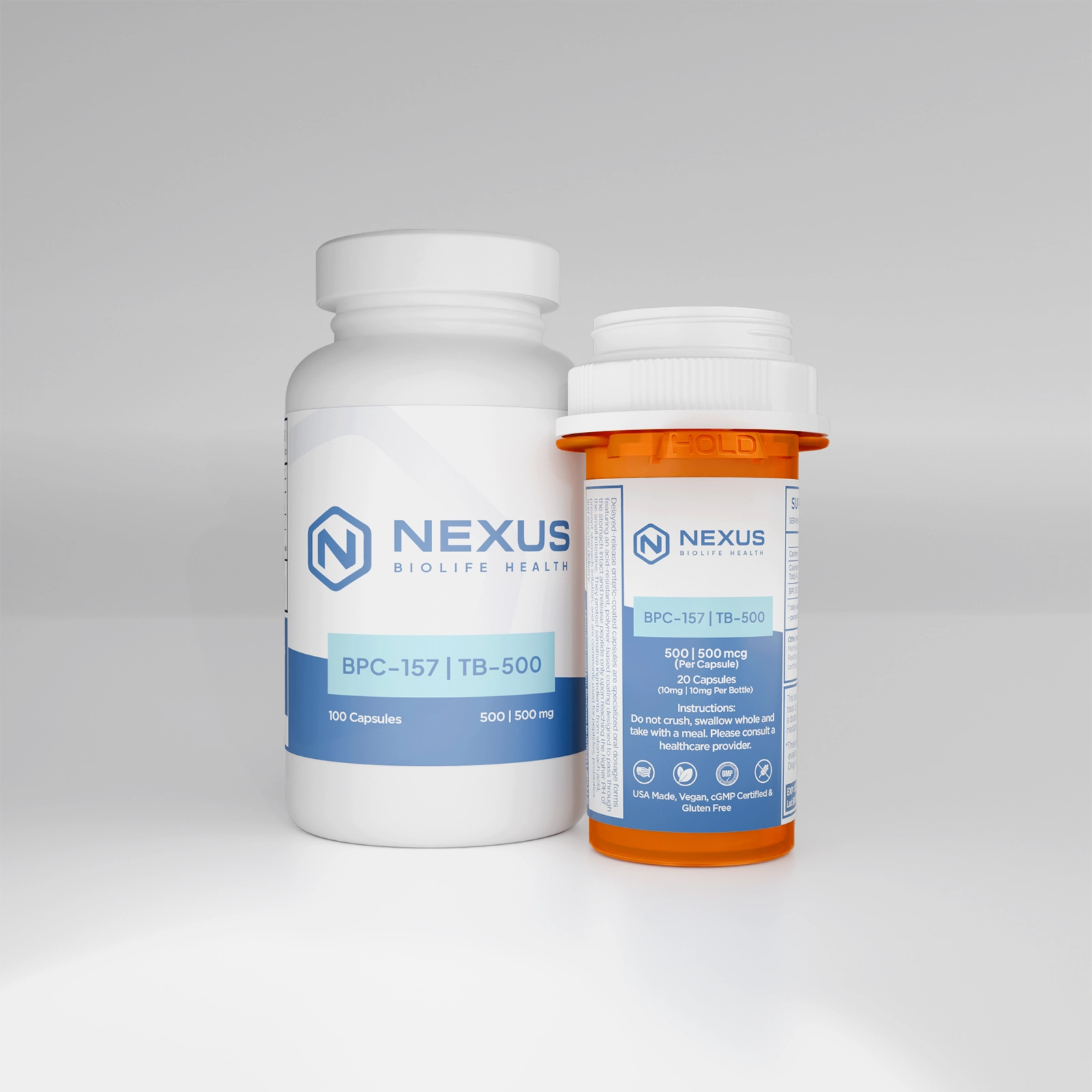
BPC-157 | TB-500 is a dual-peptide formulation designed to support tissue repair and cellular motility. Explore the synergistic benefits for comprehensive recovery.
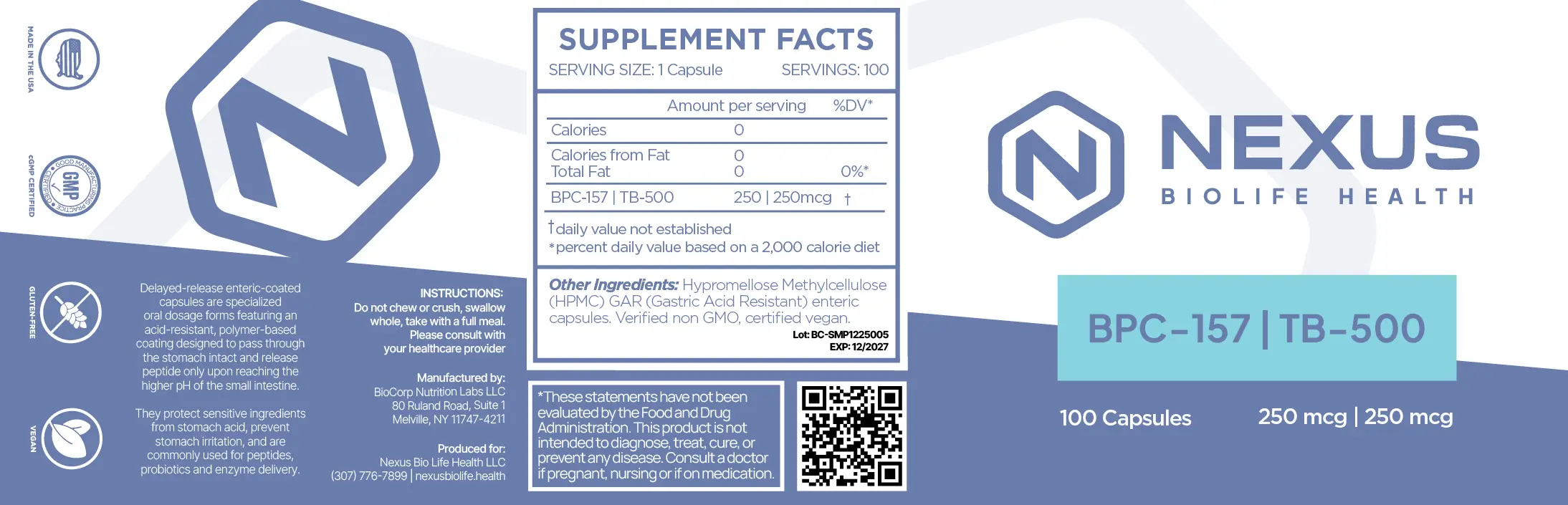
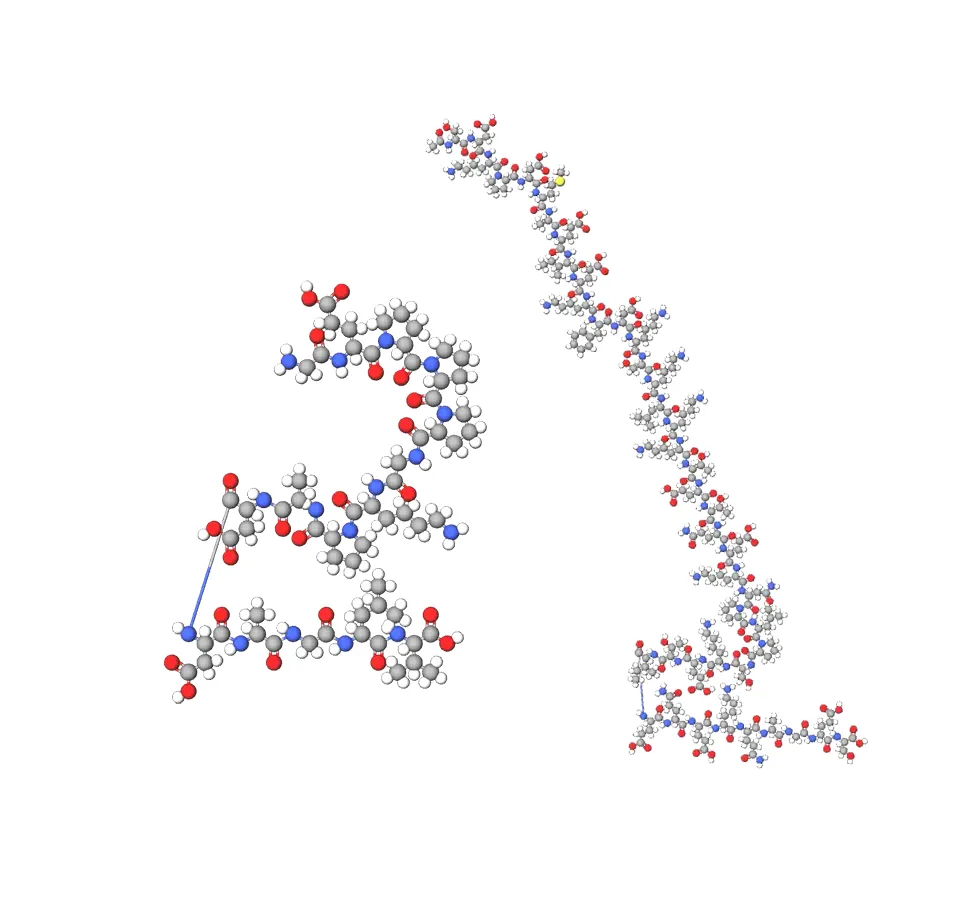
The combinatorial action of BPC-157 and TB-500 makes this formulation particularly robust for supporting complex tissue remodeling. In the context of musculoskeletal health, this pairing is designed to address the interplay between BPC-157-mediated tendon support and TB-500-driven myoblast differentiation, offering a holistic approach to muscle-tendon junction recovery. Endothelial systems also benefit, as BPC-157’s upregulation of VEGF works in concert with TB-500’s actin-sequestering properties to enhance endothelial cell migration and capillary tube formation, providing a comprehensive model for angiogenesis. We appreciate the nuance in these co-dependent pathways and are here to provide insights into how these peptides work together, keeping things logical and approachable.
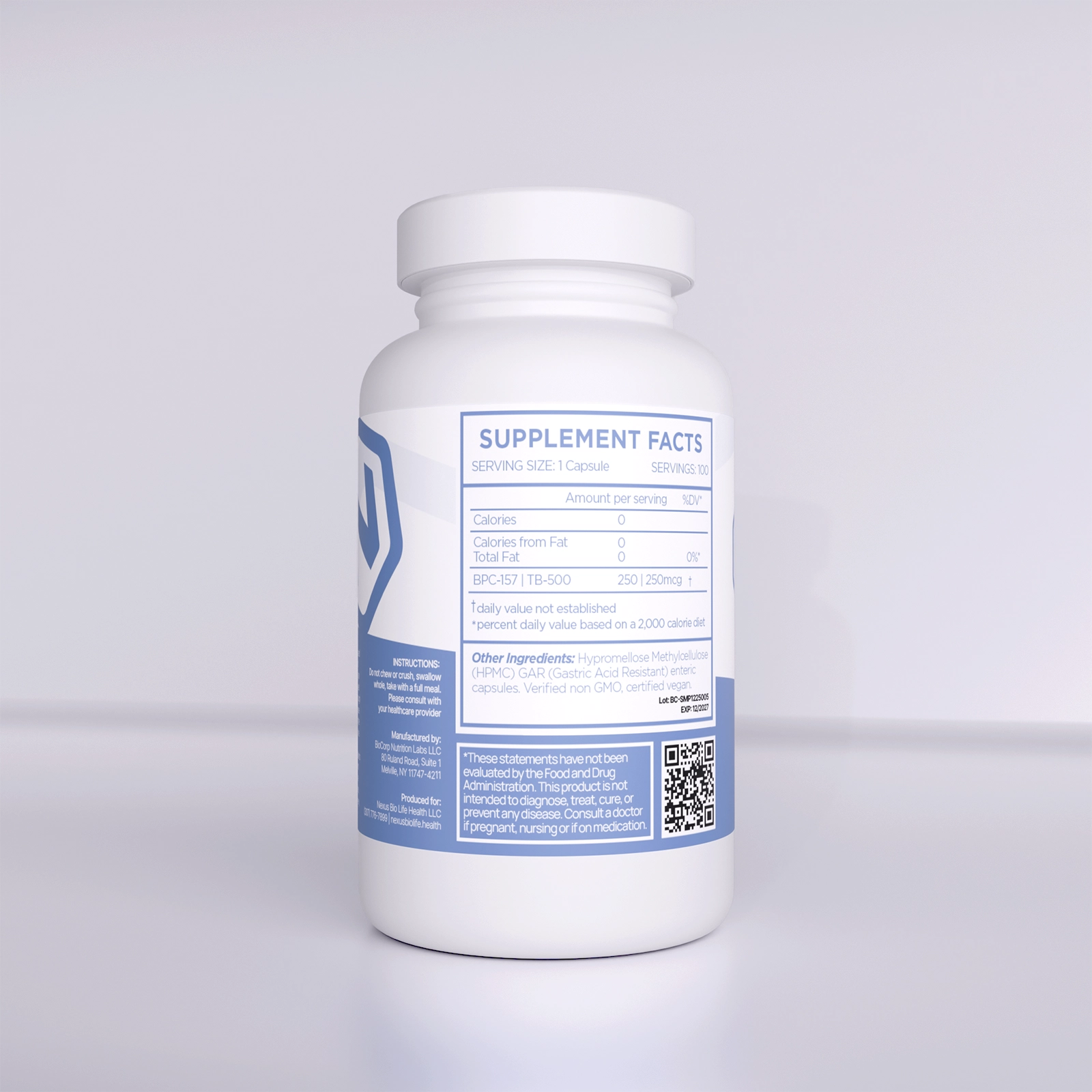
For optimal stability, store BPC-157 | TB-500 capsules in a cool, dry environment, preferably at 4°C to -20°C, ensuring the container is tightly sealed to shield the peptides from humidity and photodegradation. If extracting contents for solution-based needs, both peptides are highly water-soluble; reconstitute in sterile bacteriostatic water or physiological saline to achieve desired concentrations, employing gentle swirling to dissolve without shearing the peptide chains. Avoid repeated freeze-thaw cycles of reconstituted solutions, as this can degrade the synergistic potency; while the capsule offers robust physical protection, the solvated peptides remain sensitive. Backed by our combined stability validations, these steps help maintain integrity—reach out if you have questions regarding handling or storage.
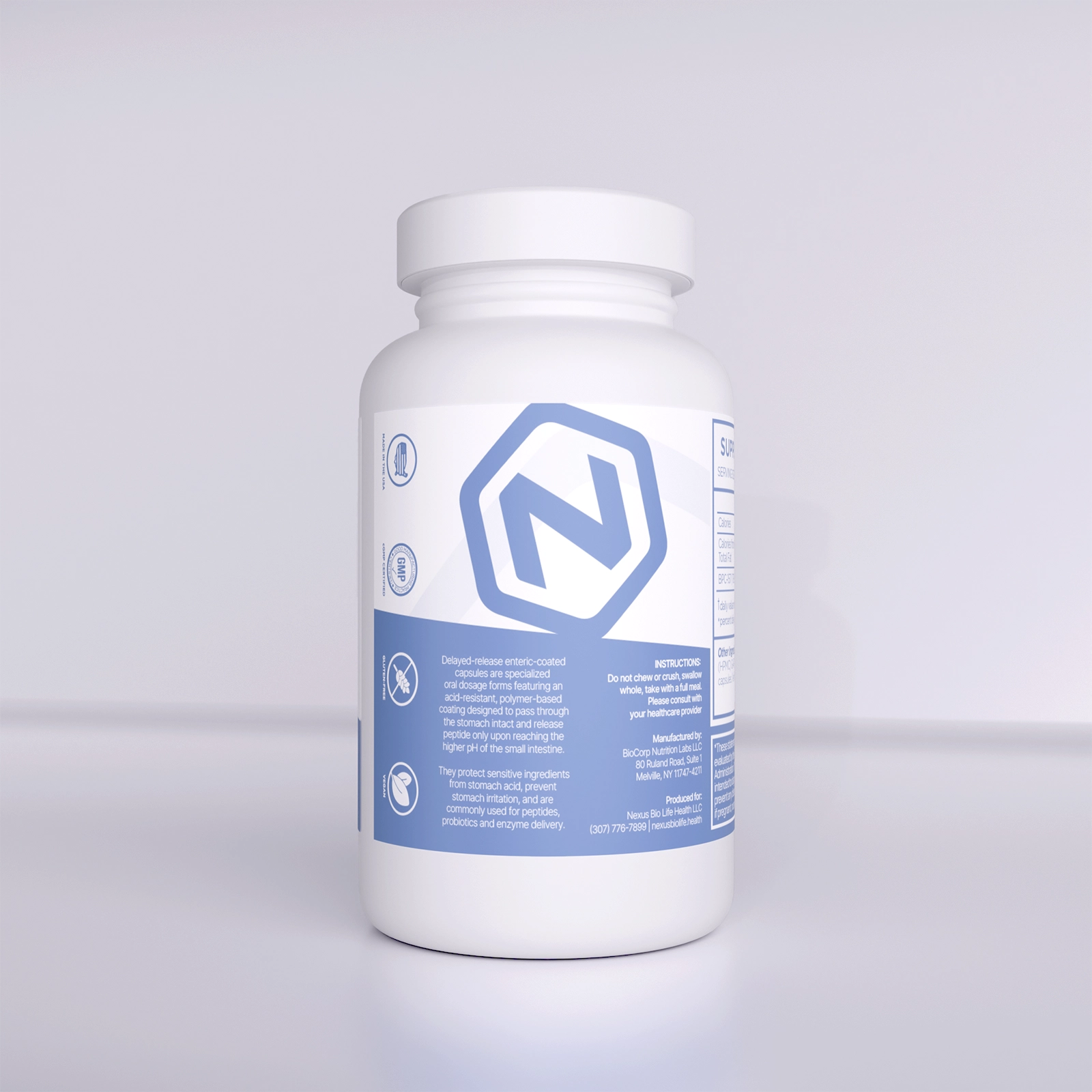
BPC-157 | TB-500 is a dual-action formulation combining a synthetic pentadecapeptide with a synthetic fraction of the protein thymosin beta-4, designed to leverage the synergistic potential of cytoprotection and cellular motility. By coupling the angiogenic and collagen-organizing properties of BPC-157 with the actin-sequestering and cell-migratory capabilities of TB-500, this blend initiates a multi-tiered signaling cascade. This dual approach is intended to facilitate comprehensive soft tissue support, specifically targeting the complex interplay between vascularization and tissue remodeling in musculoskeletal and endothelial systems.
In mechanistic terms, this combination targets complementary pathways to maximize restorative potential. While BPC-157 influences the NO-cGMP axis and upregulates VEGF to establish blood flow and structural integrity, TB-500 interacts with G-actin to regulate cytoskeletal structure, significantly enhancing the migration of keratinocytes and endothelial cells to sites of repair. Mechanistically, this co-administration supports wound closure and recovery dynamics more effectively than single-peptide approaches by simultaneously helping to modulate inflammation and promote re-epithelialization—we're happy to walk through the science of this cooperative mechanism, offering straightforward interpretations grounded in the data.
In summary, the BPC-157 | TB-500 combination emerges as a robust tool for supporting synergistic pathways of tissue repair and cellular motility, enabling a comprehensive approach to regenerative mechanisms with clarity and control. Its dual role in modulating angiogenesis and cytoskeletal dynamics underscores our quiet enthusiasm for formulations that bridge basic science and practical potential, all while upholding the highest standards of quality. This co-formulation reflects our humble dedication to empowering your wellness and discovery through accessible, evidence-driven support. Let's chat about integrating it into your regimen, one measured insight at a time.
The combinatorial action of BPC-157 and TB-500 makes this formulation particularly robust for in-vitro investigations into complex tissue remodeling, such as in fibroblast scratch assays where the duo accelerates wound closure rates beyond single-peptide controls by simultaneously driving collagen deposition and cytoskeletal reorganization. In musculoskeletal models, this pairing allows researchers to study the interplay between BPC-157-mediated tendon repair and TB-500-driven myoblast differentiation, offering a holistic view of muscle-tendon junction recovery. Endothelial culture systems also benefit significantly, as BPC-157’s upregulation of VEGF works in concert with TB-500’s actin-sequestering properties to enhance endothelial cell migration and capillary tube formation, providing a comprehensive model for angiogenesis. We appreciate the nuance in these co-dependent pathways and are here to suggest dosing ratios or time-course experiments that align with your specific hypothesis, keeping things logical and approachable.
For optimal stability in your laboratory inventory, store BPC-157 | TB-500 capsules in a cool, dry environment, preferably at 4°C to -20°C, ensuring the container is tightly sealed to shield the peptides from humidity and photodegradation. If extracting contents for solution-based assays, both peptides are highly water-soluble; reconstitute in sterile bacteriostatic water or physiological saline to achieve desired concentrations, employing gentle swirling to dissolve without shearing the peptide chains. Avoid repeated freeze-thaw cycles of the reconstituted mix, as this can degrade the synergistic potency; while the capsule offers robust physical protection, the solvated peptides remain sensitive. Backed by our combined stability validations, these steps help maintain integrity.
By clicking "I AGREE" and entering this website, you acknowledge and certify under penalty of perjury that you are at least 18 years of age.
