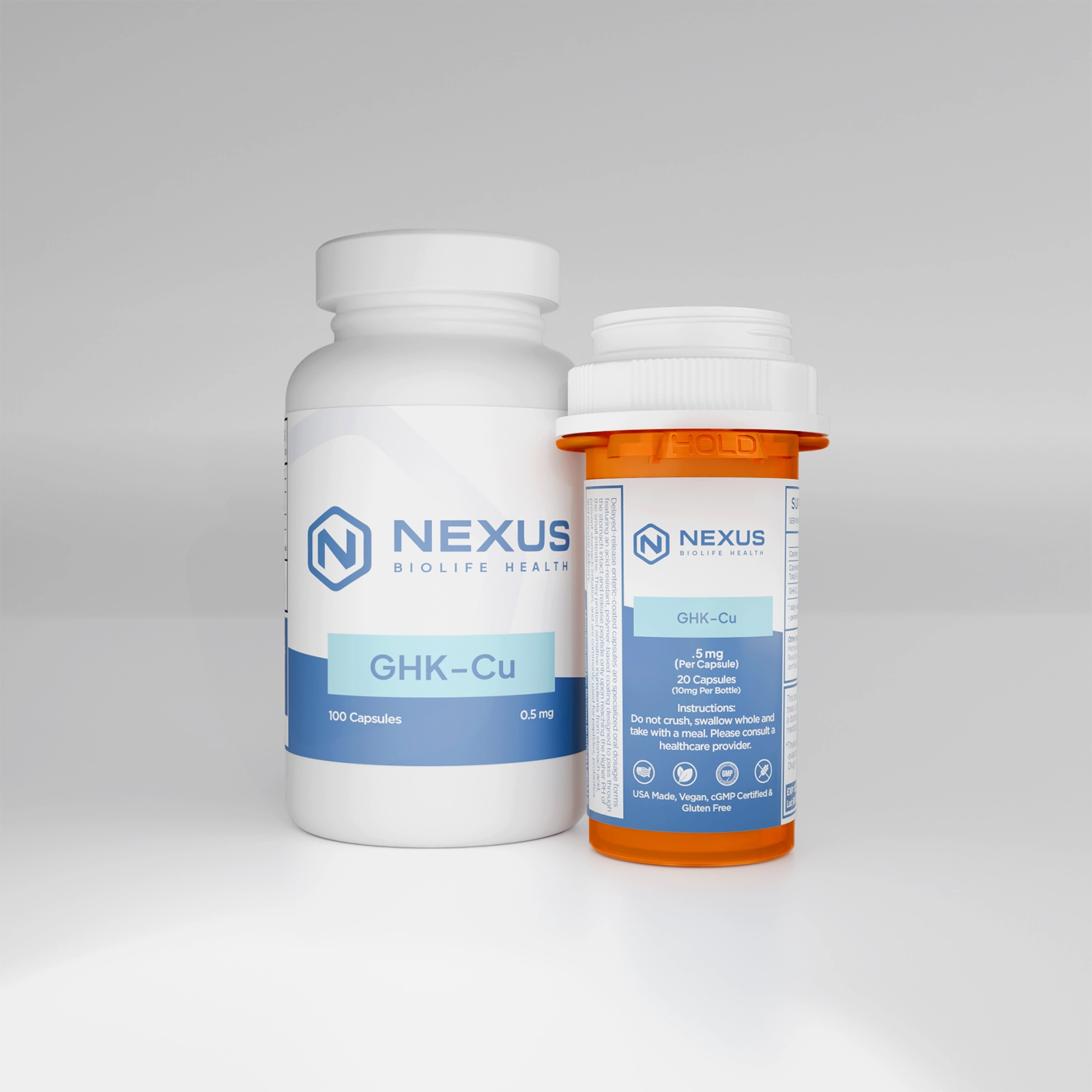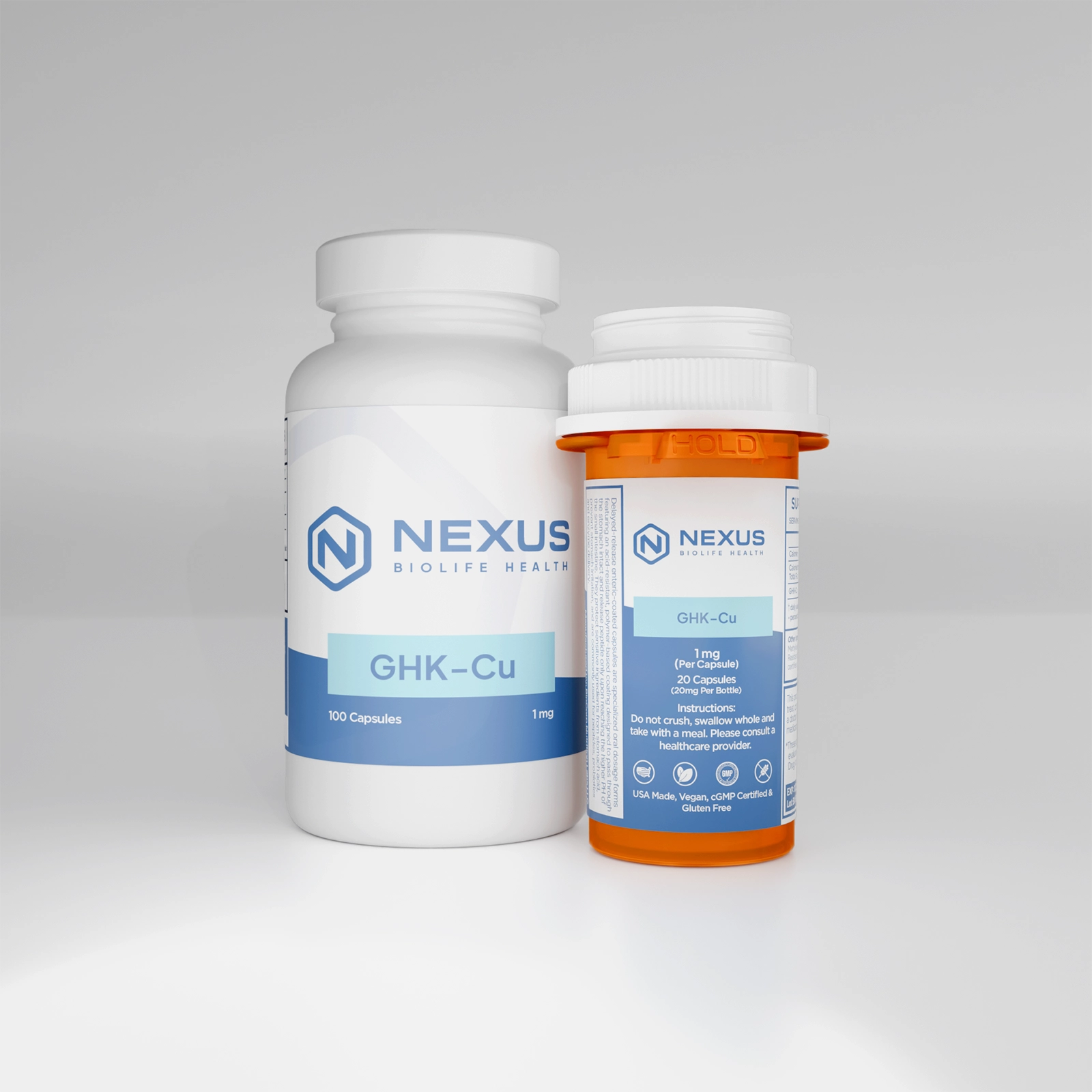


$0.00
GHK-Cu is a synthetic, copper-binding tripeptide (Glycyl-L-Histidyl-L-Lysine) utilized exclusively in laboratory environments. It is frequently applied in in-vitro biochemical assays to evaluate peptide-metal complex stability and structural kinetics. This product is strictly designated for research and development purposes and is not intended for human use, diagnostics, therapeutics, or cosmetic application.
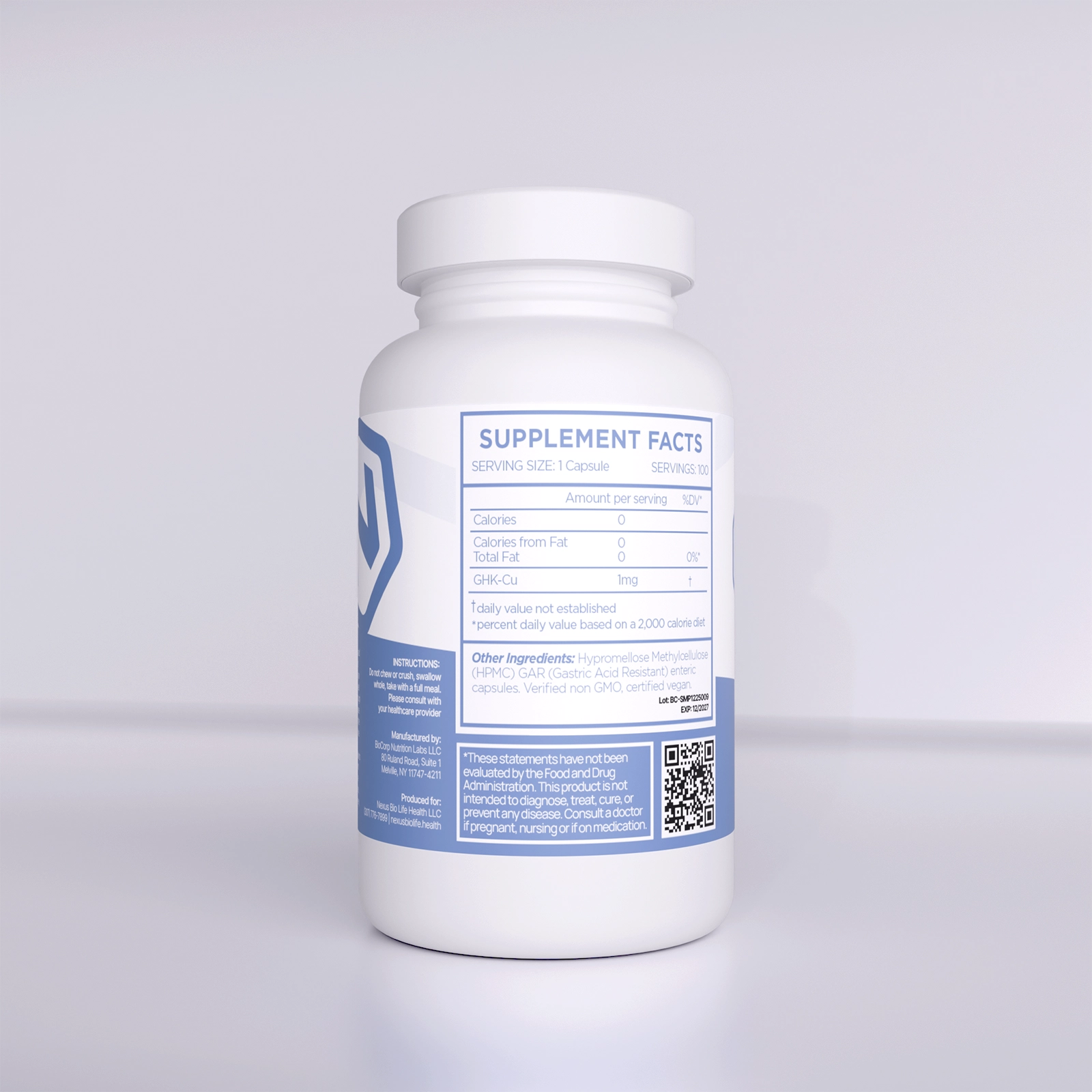
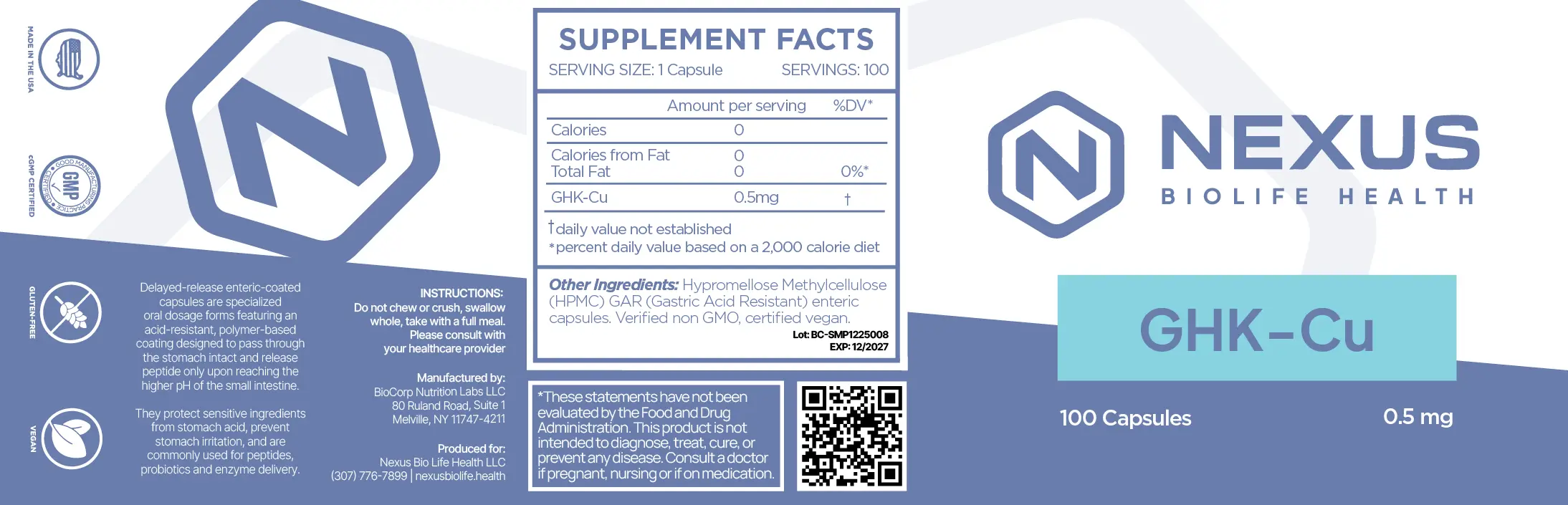
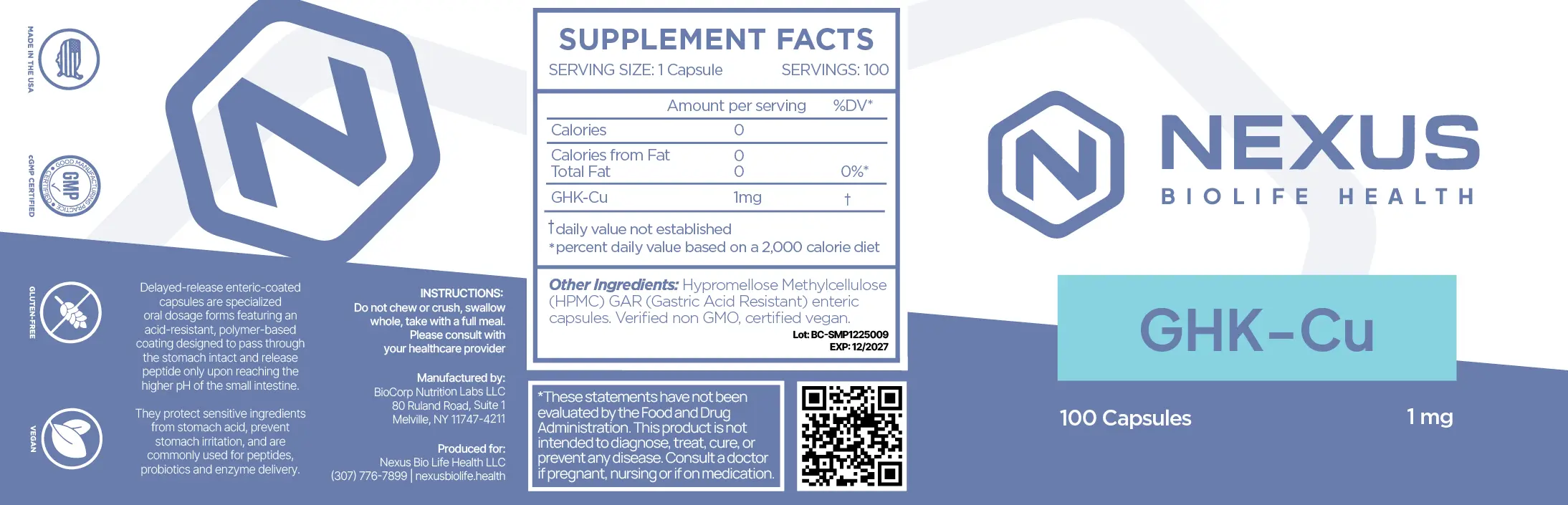
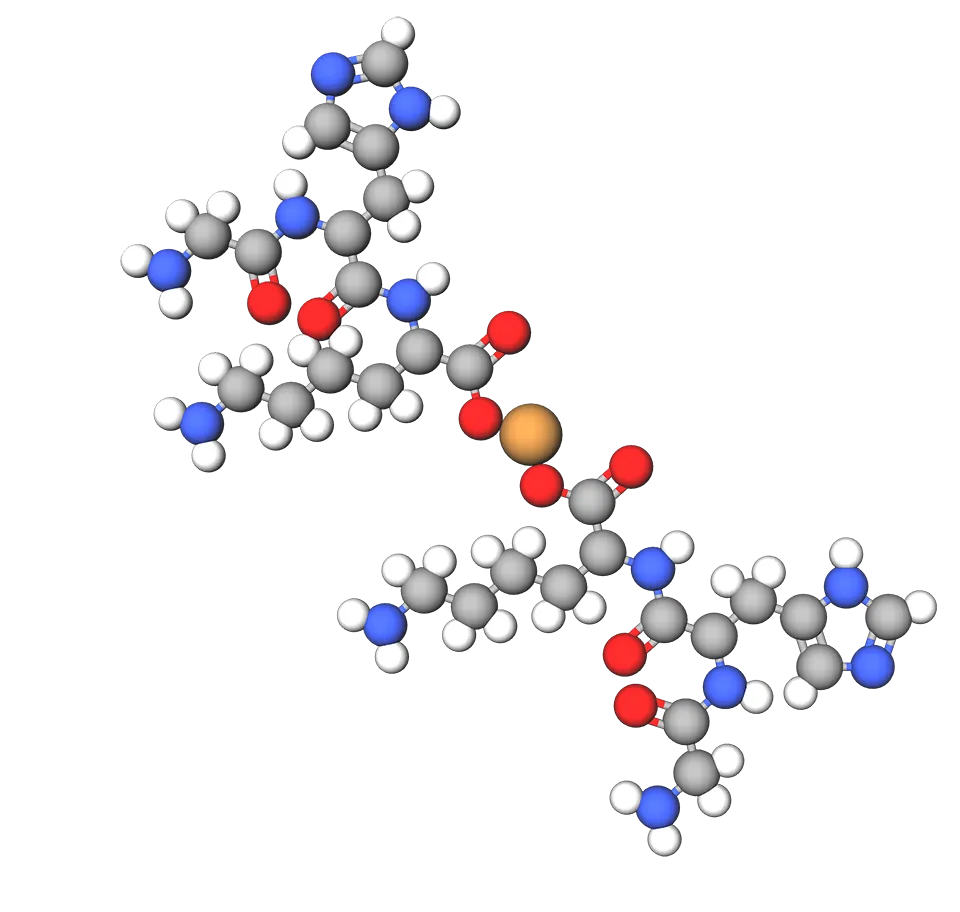
GHK-Cu features a distinct tripeptide sequence (Gly-His-Lys) chelated to a copper (II) ion; its molecular formula is C14H24N6O4Cu, with a molecular weight of approximately 403.9 g/mol. This geometry allows for a tight binding affinity (log stability constant pK ≈ 16.4), ensuring that the copper remains complexed until exposed to specific dissociative environments. Physically, the compound appears as a blue crystalline powder due to the copper coordination. It exhibits high solubility in water and physiological buffers, facilitating efficient dissolution in assay media. Our preparations achieve purity levels exceeding 98% by HPLC, with consistent batch-to-batch reproducibility that we document transparently via Certificates of Analysis, ensuring you have reliable materials at hand.
At our company, we're all about making peptide science approachable and reliable for researchers like you. GHK-Cu is a synthetic copper-binding tripeptide complex (Glycyl-L-Histidyl-L-Lysine) utilized exclusively for laboratory research. By functioning as a structural analog in biochemical assays, this compound is studied to observe peptide-metal interactions, complex stability, and coordination chemistry in controlled in-vitro environments. This formulation provides a precise biochemical reagent for evaluating transition metal transport mechanisms and molecular cross-linking kinetics in isolated culture media.
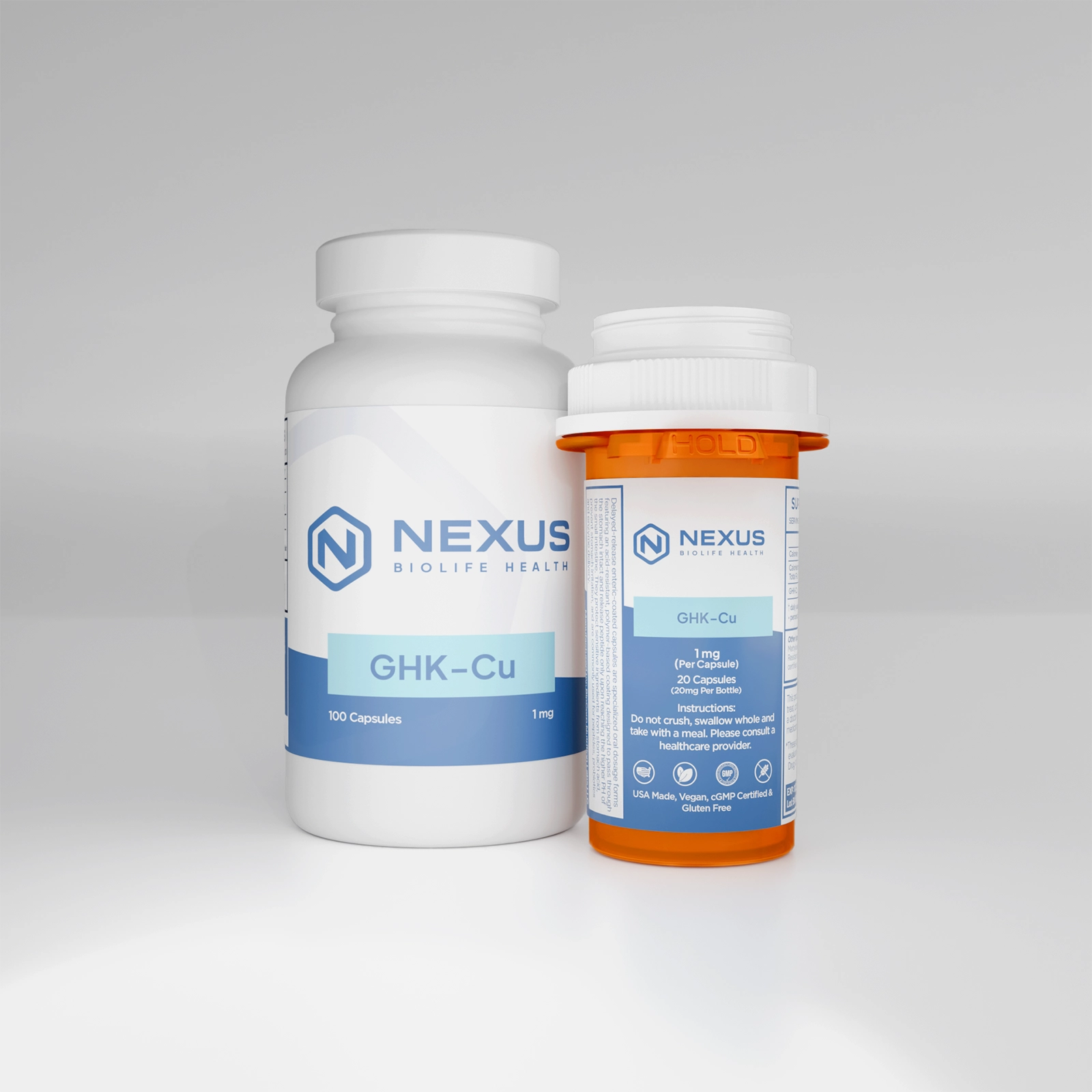
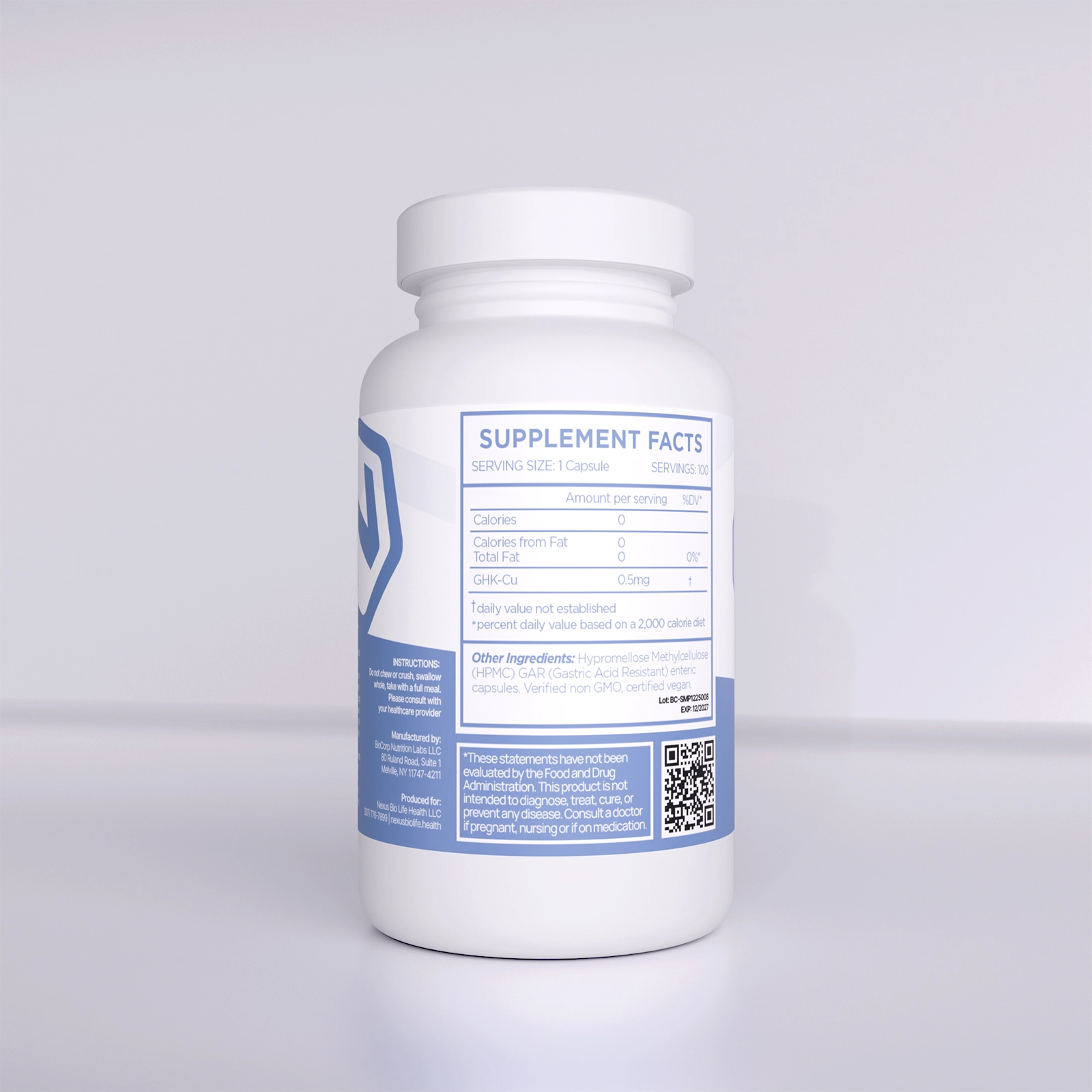
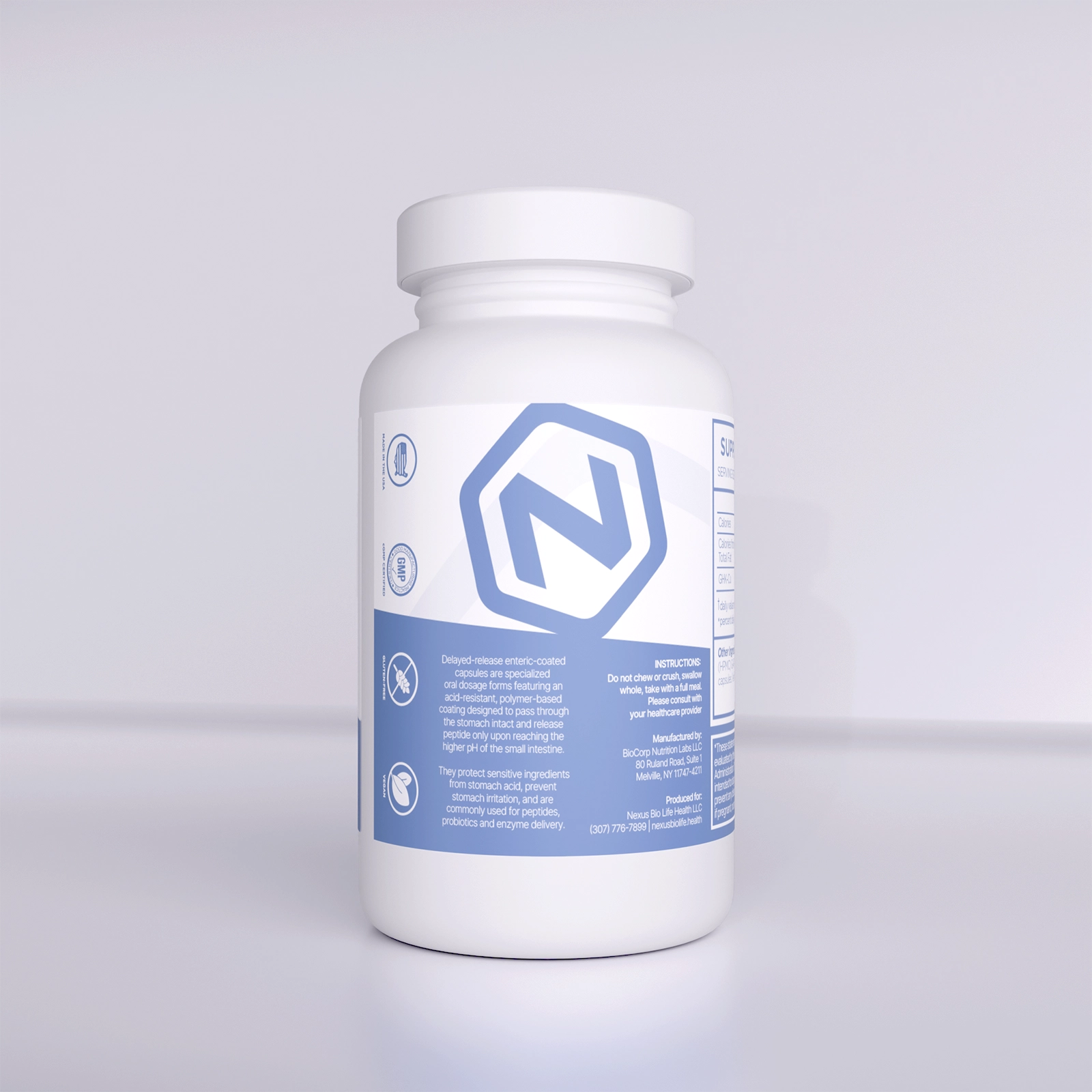
This formulation is provided within specialized capsules designed for simulated dissolution testing and controlled release assays:
In summary, GHK-Cu serves as a highly specific biochemical tool for evaluating peptide-metal coordination and dissolution kinetics in laboratory settings. Its reliable structural properties and engineered HPMC delivery matrix underscore our commitment to providing precise, high-purity reagents that bridge basic chemistry with rigorous in-vitro application, all while upholding the highest standards of quality.
For Research Use Only. Not for human use. All products offered are intended strictly for laboratory research purposes only. They are NOT for human or animal consumption, nor are they to be used as drugs, diagnostics, therapeutics, food additives, cosmetics, or household chemicals.
GHK-Cu’s distinct peptide-metal coordination makes it a subject of intense interest for structural biology and biochemical assays. In isolated cell culture models, researchers utilize this compound to study its influence on protein synthesis pathways, specifically tracking how copper coordination affects extracellular matrix component behavior under controlled experimental conditions. It frequently serves as a reference standard in spectrophotometric and mass spectrometry studies designed to map molecular dissociation rates in the presence of varying pH levels or competing chelating agents.
For optimal stability, store the GHK-Cu capsules in a cool, dry environment, preferably at 4°C to -20°C, keeping the container tightly sealed to shield from humidity and light, which can degrade the peptide-copper bond. Avoid exposure to strong reducing agents or competing chelators (such as EDTA) during laboratory preparation, as these can strip the copper from the peptide sequence. Backed by our stability validations, these steps help maintain structural integrity prior to experimental deployment.
By clicking "I AGREE" and entering this website, you acknowledge and certify under penalty of perjury that you are at least 18 years of age.