


$0.00
KPV is a synthetic tripeptide fragment (Lys-Pro-Val) derived from alpha-MSH, integrated into a delayed-release matrix for specialized laboratory applications. It is frequently utilized in in-vitro biochemical assays to evaluate cellular signaling pathways and peptide stability under controlled dissolution conditions. This product is strictly designated for research and development purposes and is not intended for human use, diagnostics, therapeutics, or veterinary application.

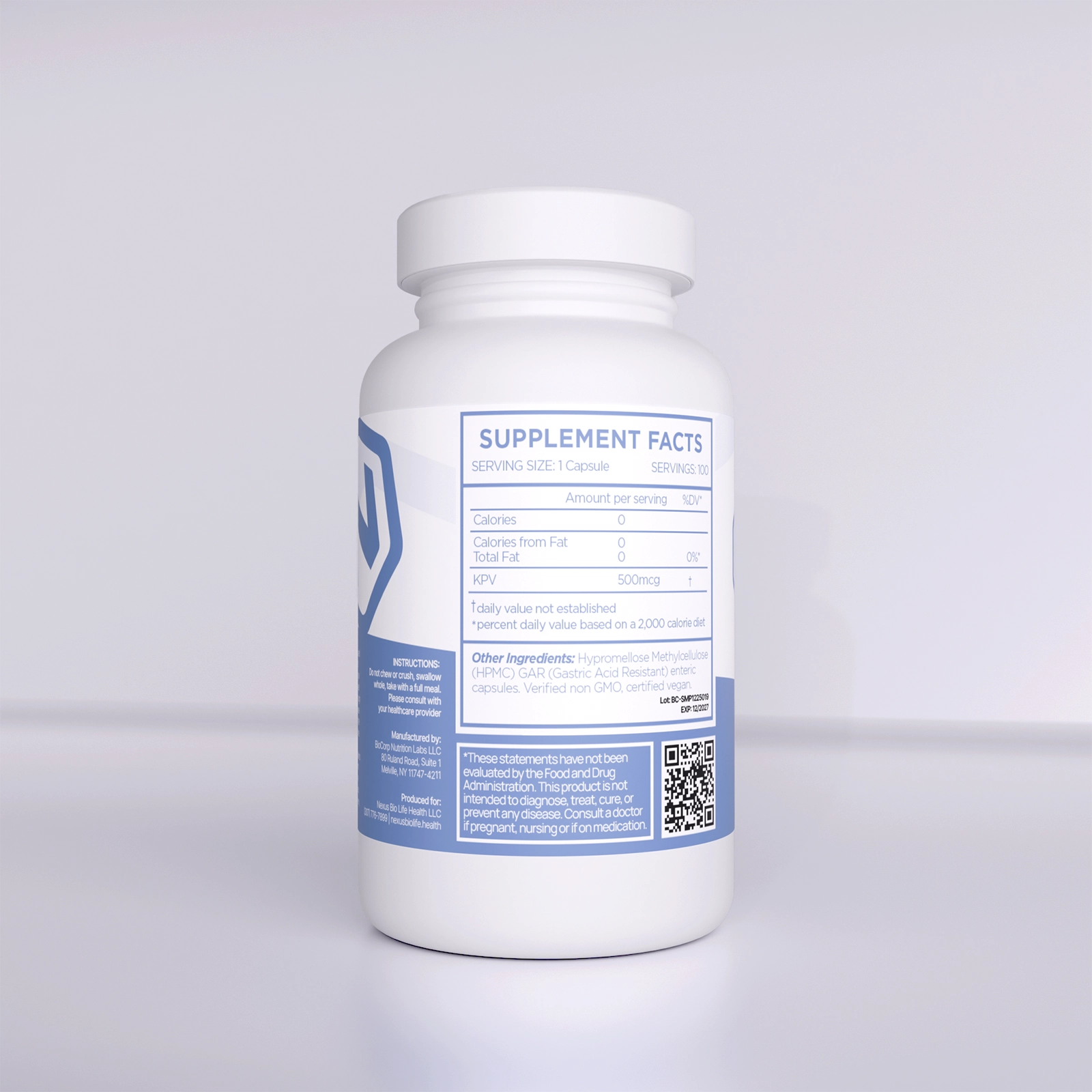
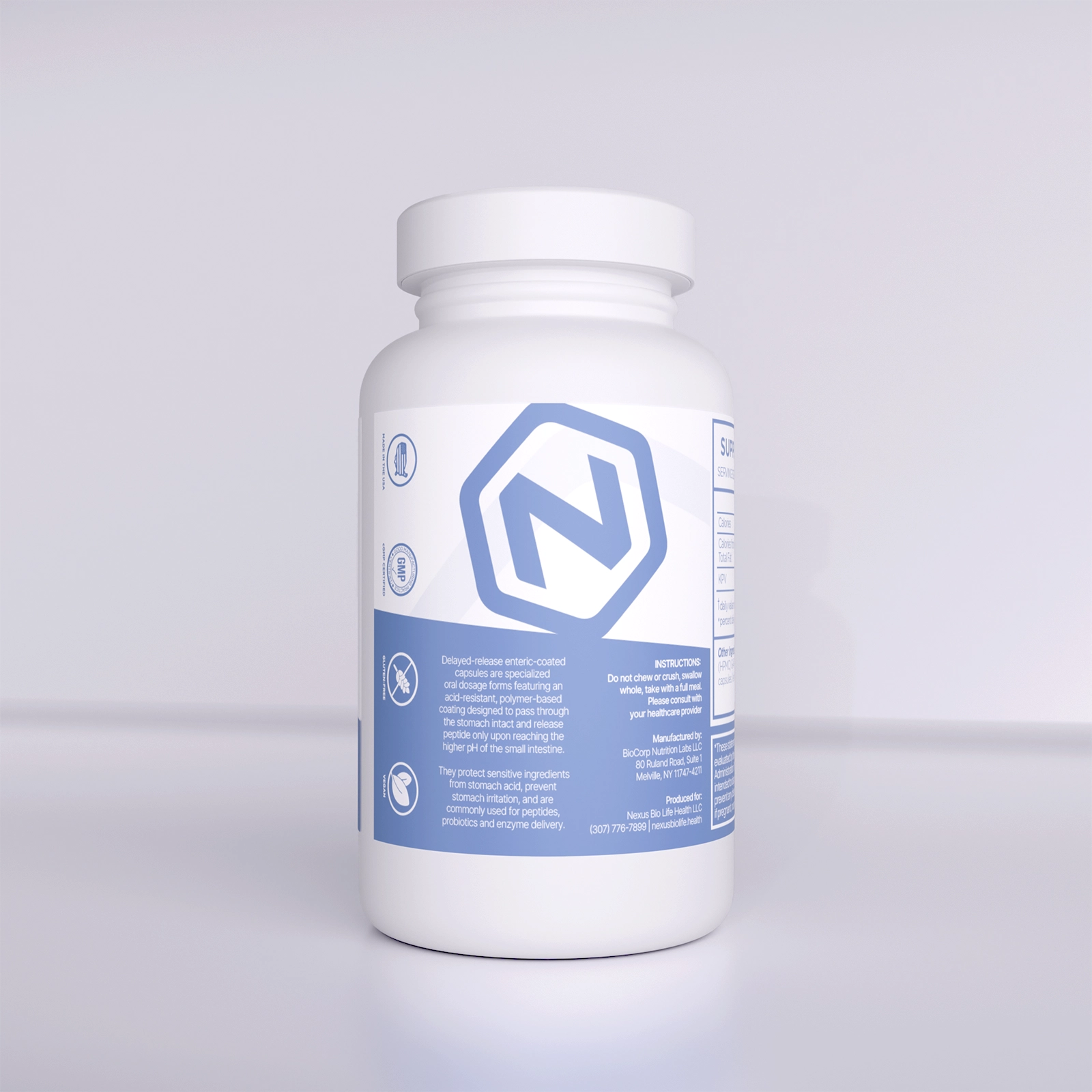

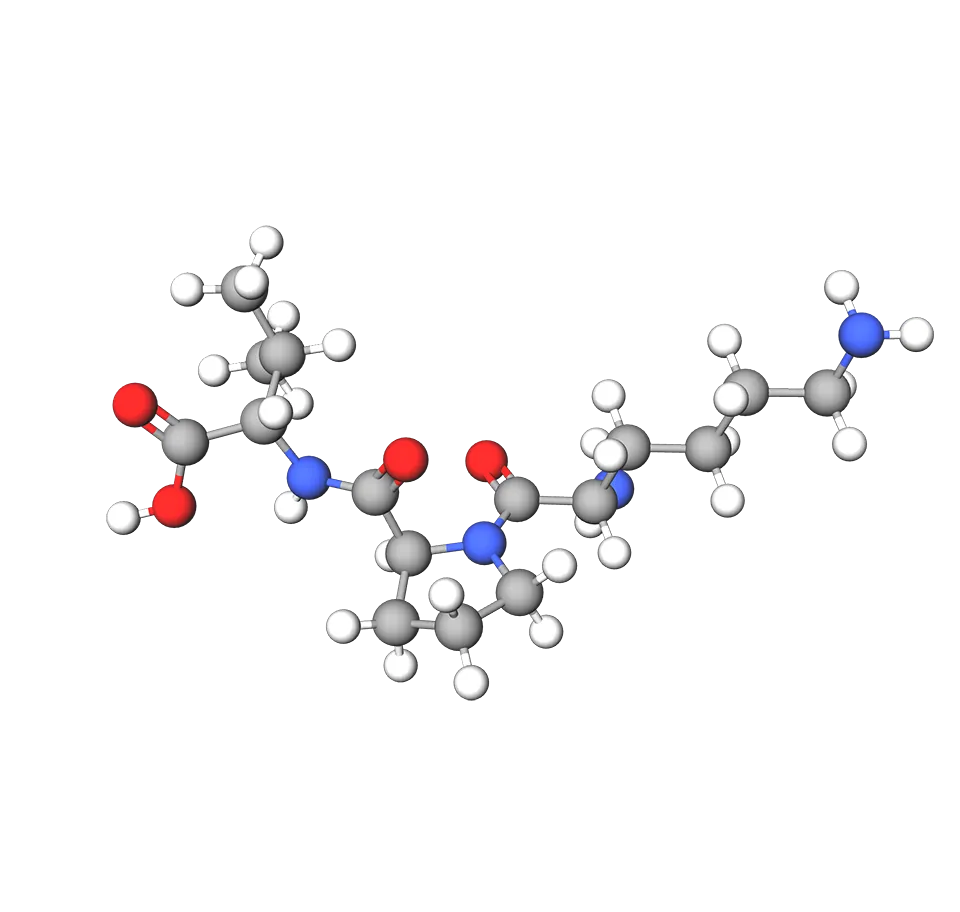
KPV consists of the synthetic amino acid sequence Lysine-Proline-Valine. Its molecular formula is C16H30N4O4, yielding a molecular weight of approximately 342.4 g/mol. In laboratory environments, its exceptionally small molecular size and specific primary structure allow it to exhibit unique stability and diffusion characteristics in aqueous environments compared to larger peptide chains. It is highly water-soluble and resistant to varied pH conditions typically utilized in simulated physiological buffer assays. Our preparations achieve purity levels exceeding 98% by HPLC, with consistent batch-to-batch reproducibility that we document transparently via Certificates of Analysis, ensuring you have highly reliable materials for your biochemical research.
At our company, we're all about making peptide science approachable and reliable for researchers like you. KPV is a synthetic tripeptide (Lysine-Proline-Valine) representing the C-terminal fragment of alpha-melanocyte-stimulating hormone (α-MSH). In laboratory environments, it is evaluated for its unique structural properties, retaining specific biochemical signaling capabilities of the parent peptide without triggering melanotropic (pigment-inducing) activity in in-vitro models. This specific research formulation is integrated into a delayed-release matrix, providing a precise delivery mechanism for studying cellular transport and intracellular signaling in controlled assays.
In mechanistic terms, researchers utilize KPV to observe cellular uptake via specific transport proteins, such as the PepT1 transporter, frequently studied in isolated cellular monolayers (e.g., in-vitro epithelial models). Once introduced to the intracellular environment, it is studied to map its interaction with key signaling pathways, most notably its influence on the activation of NF-κB (Nuclear Factor Kappa B). By observing this transcription factor in cultured environments, researchers can evaluate the expression of corresponding cellular cytokines under simulated physiological stress. Mechanistically, it acts as a precise biochemical probe for evaluating cellular responses—we're happy to walk through the data behind these pathways, offering straightforward interpretations grounded in the science.
This formulation is provided within specialized capsules designed for simulated dissolution testing and controlled release assays:
In summary, KPV emerges as a precise biochemical tool for evaluating intracellular signaling and transport mechanisms in laboratory settings, enabling researchers to observe complex molecular pathways with clarity and control. Its role in modulating transcription factors like NF-κB in isolated models underscores our quiet enthusiasm for compounds that bridge basic chemistry with rigorous in-vitro application, all while upholding the highest standards of quality. Let's advance your laboratory research together, one measured insight at a time.
KPV’s role as a modulator of cellular cytokine expression makes it a subject of significant interest for isolated epithelial and microbiological assays. In in-vitro intestinal epithelial models, it is utilized to study cellular responses to simulated stress, observing its influence on mucosal barrier integrity markers. In microbiological assays, KPV is evaluated for its interactions with various microbial cultures, including S. aureus and C. albicans, to study peptide-microbe binding dynamics in controlled environments. For isolated dermal fibroblast assays, its influence on cellular signaling makes it relevant for studying cytokine modulation following simulated environmental exposure. We appreciate the nuance in these biochemical actions and are here to provide insights into how this peptide supports in-vitro cellular homeostasis, keeping things logical and approachable.
For optimal stability, store KPV capsules in a cool, dry environment, preferably at 4°C to -20°C, keeping the container tightly sealed to shield from humidity and light. If extracting contents for solution-based in-vitro assays, the peptide is highly water-soluble; reconstitute in sterile laboratory buffers or standard cell culture media with gentle mixing. Backed by our stability validations, these steps help maintain structural integrity prior to experimental deployment—reach out if you have questions regarding handling or storage.
By clicking "I AGREE" and entering this website, you acknowledge and certify under penalty of perjury that you are at least 18 years of age.
