

$0.00
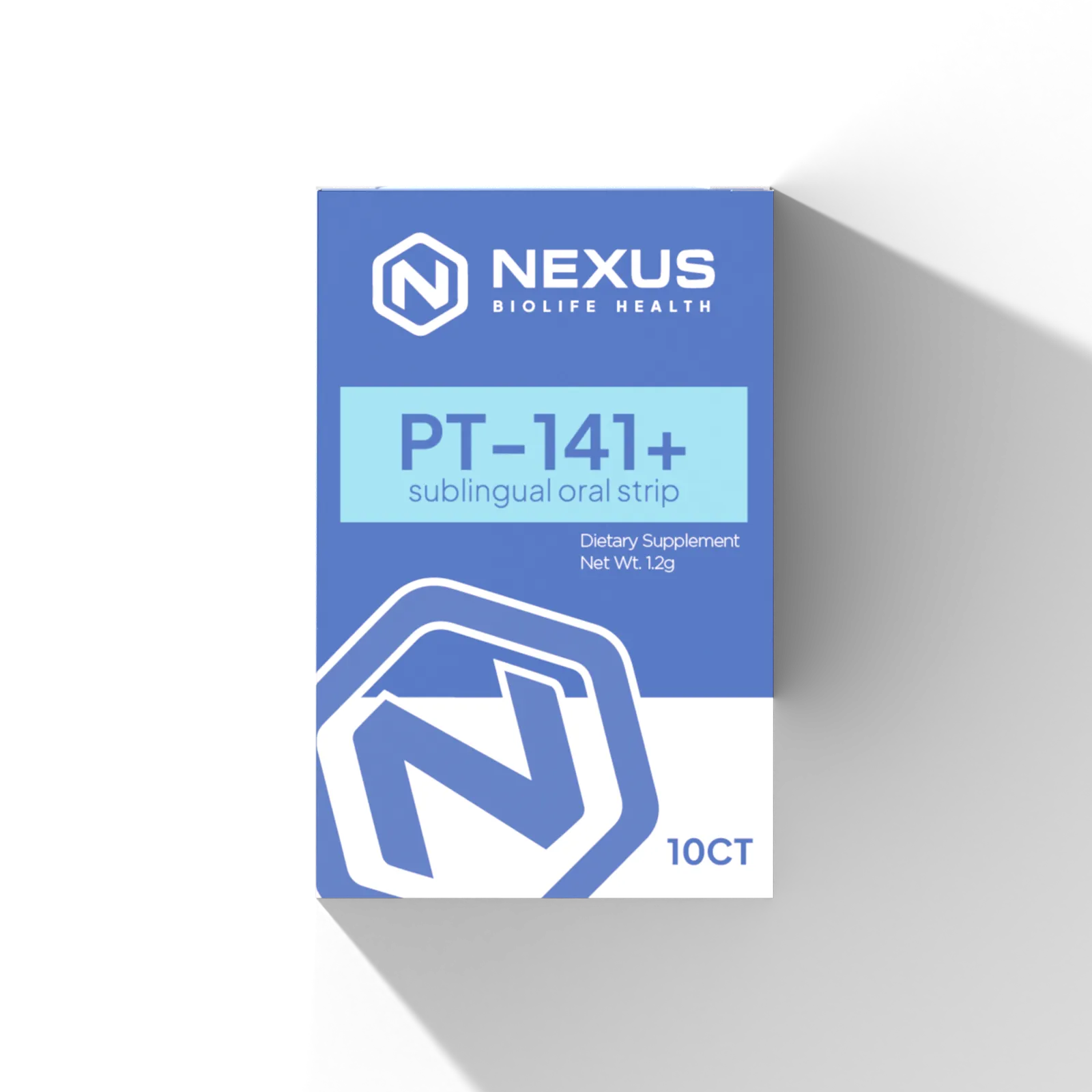
PT-141, also known as Bremelanotide, is a synthetic peptide meticulously prepared for scientific inquiry. This product is synthesized with high purity for laboratory investigations. It is developed for use in various research applications. PT-141 is designated solely for research and development purposes.
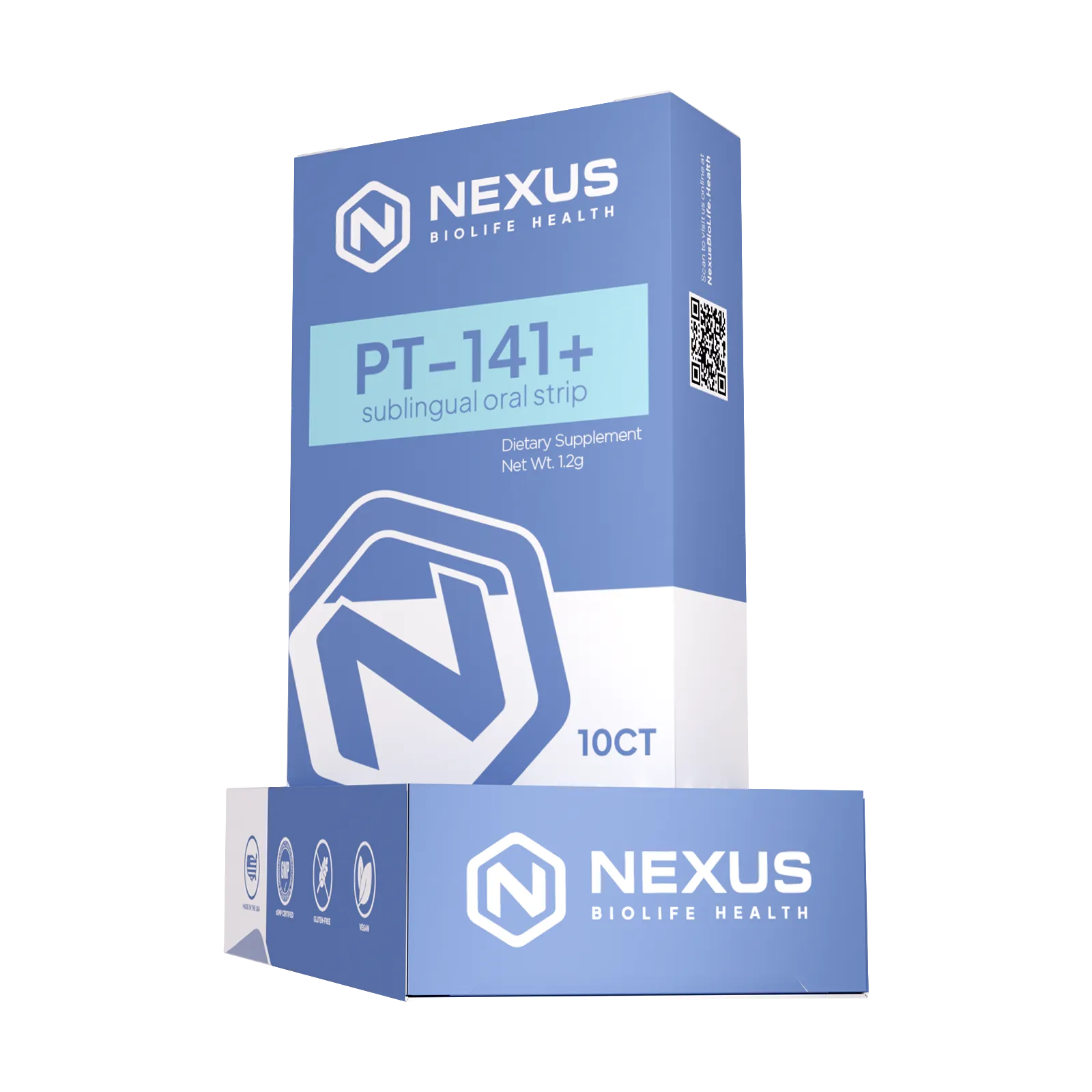
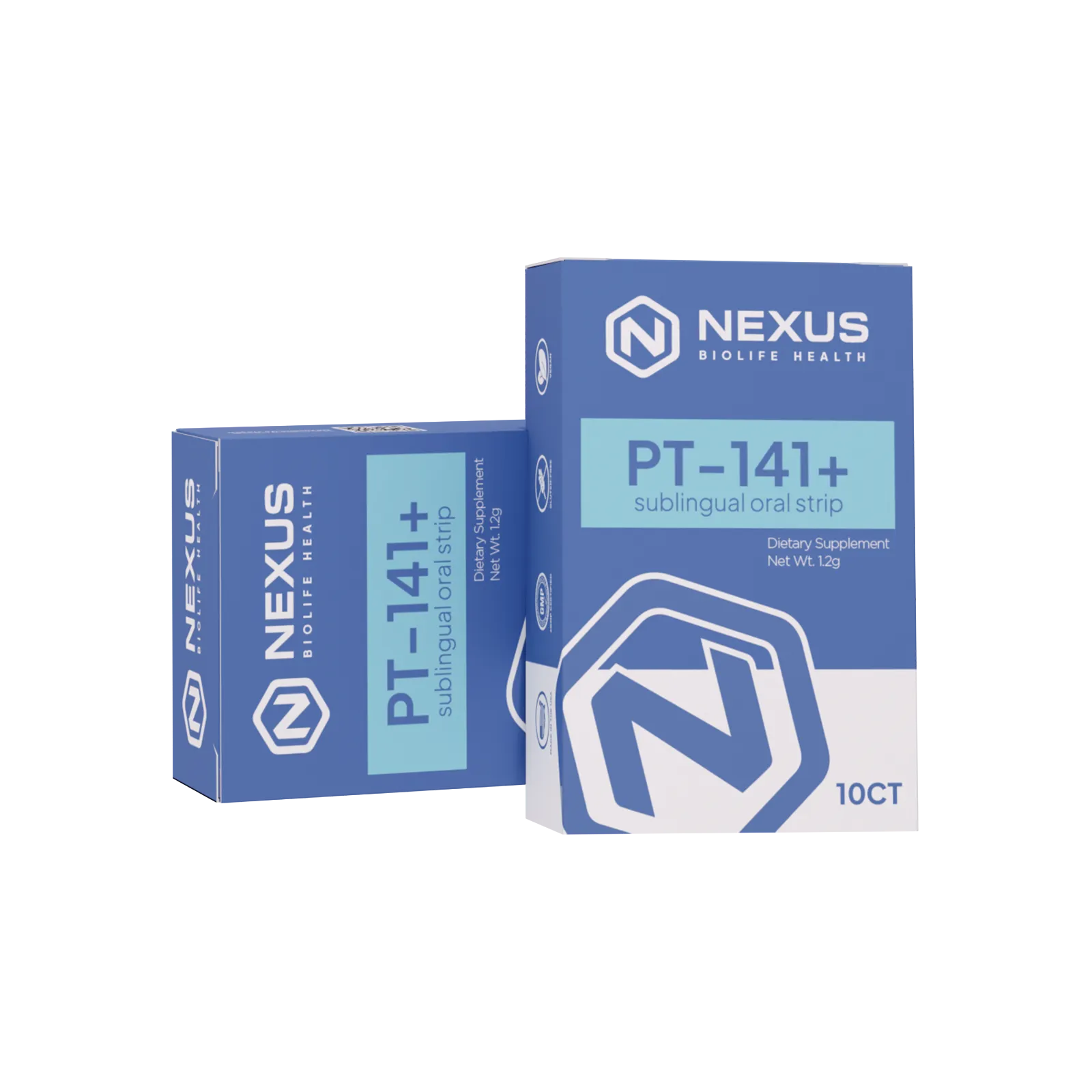
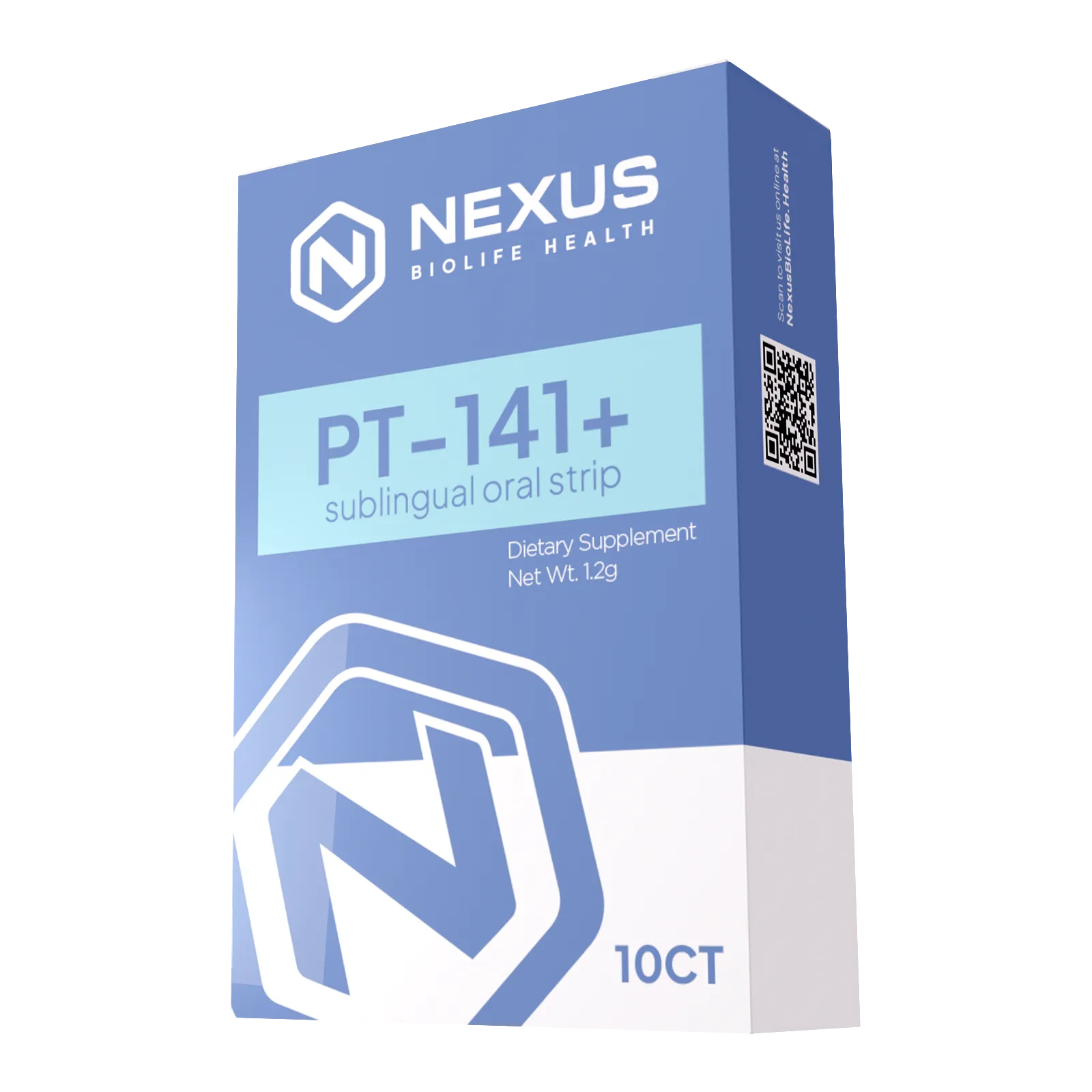
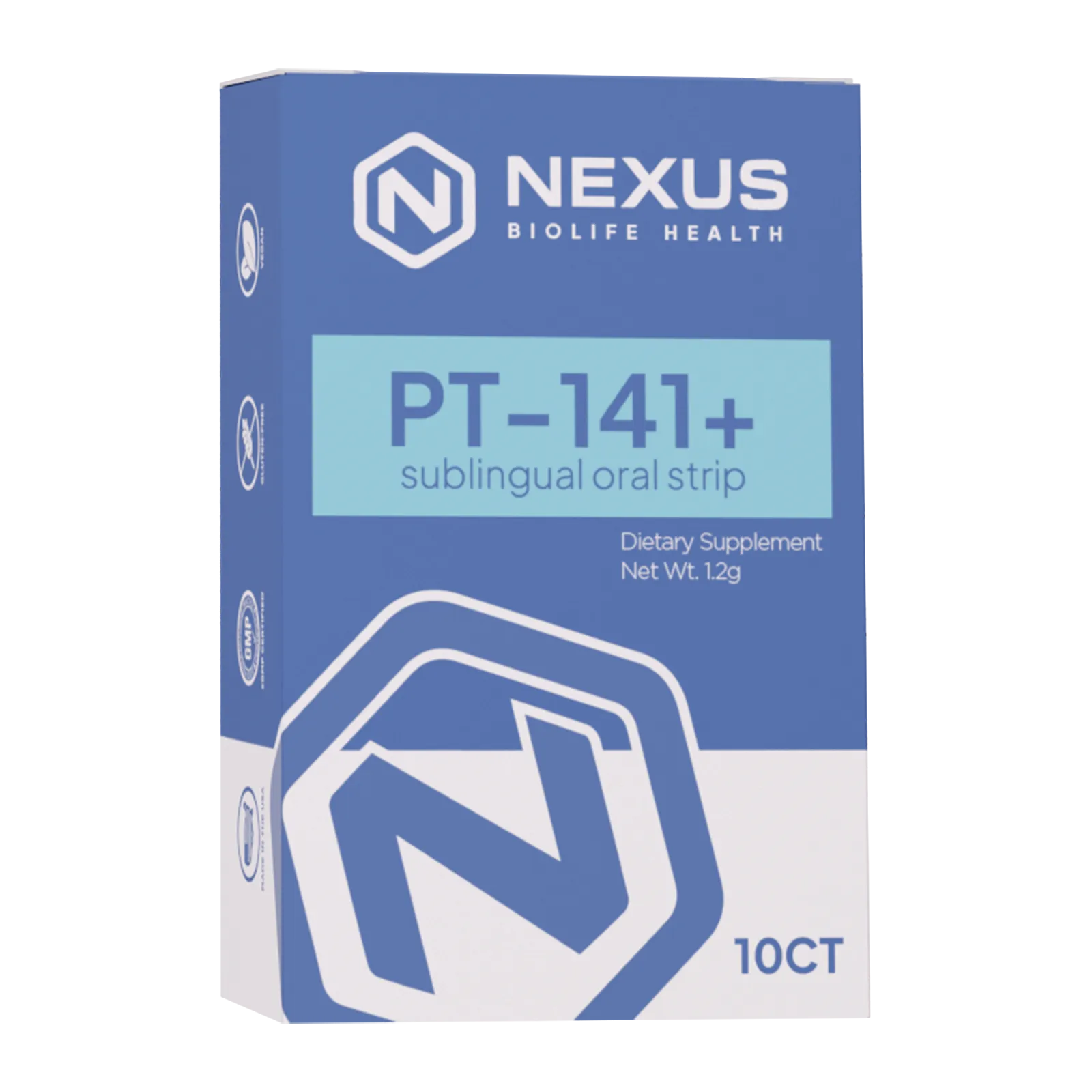
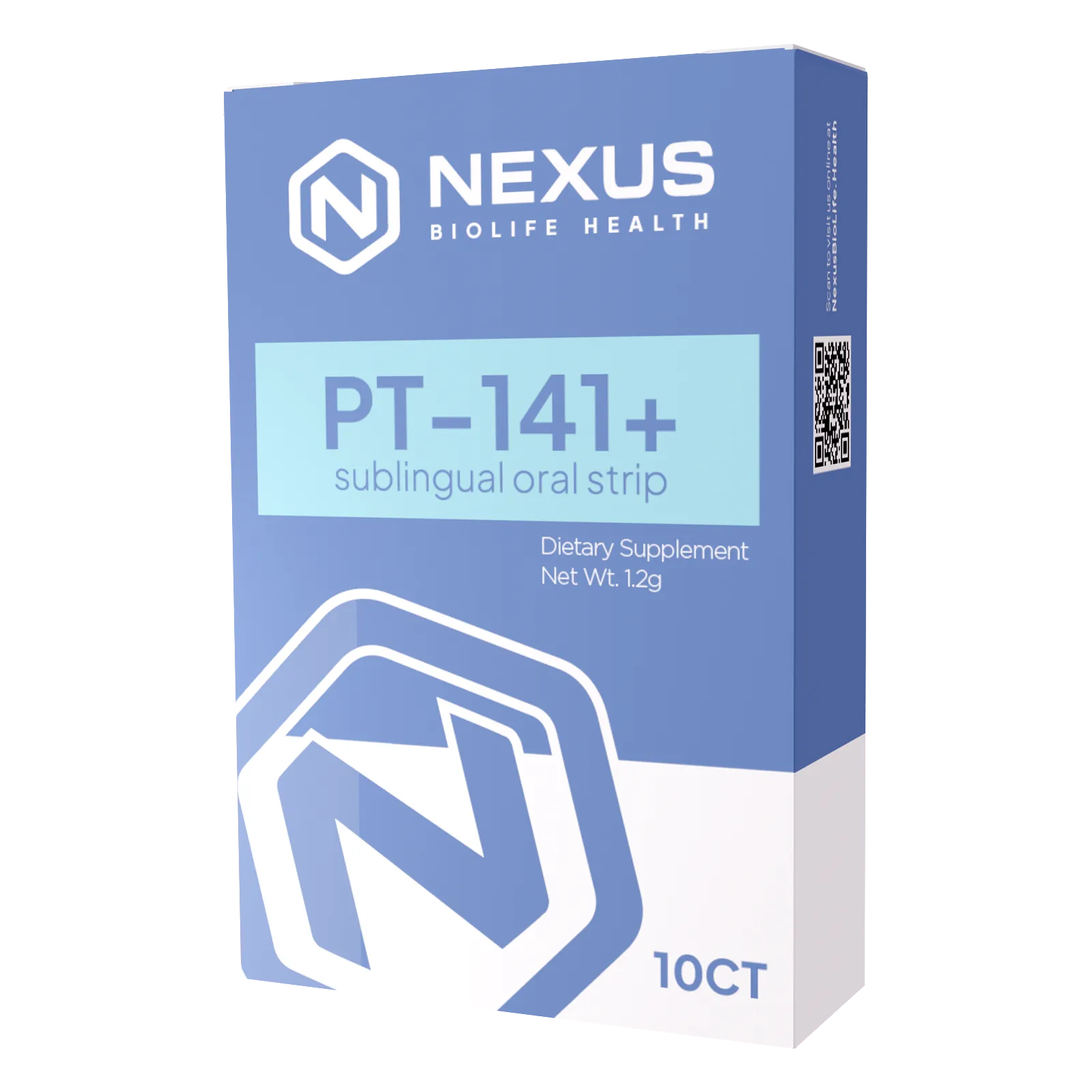
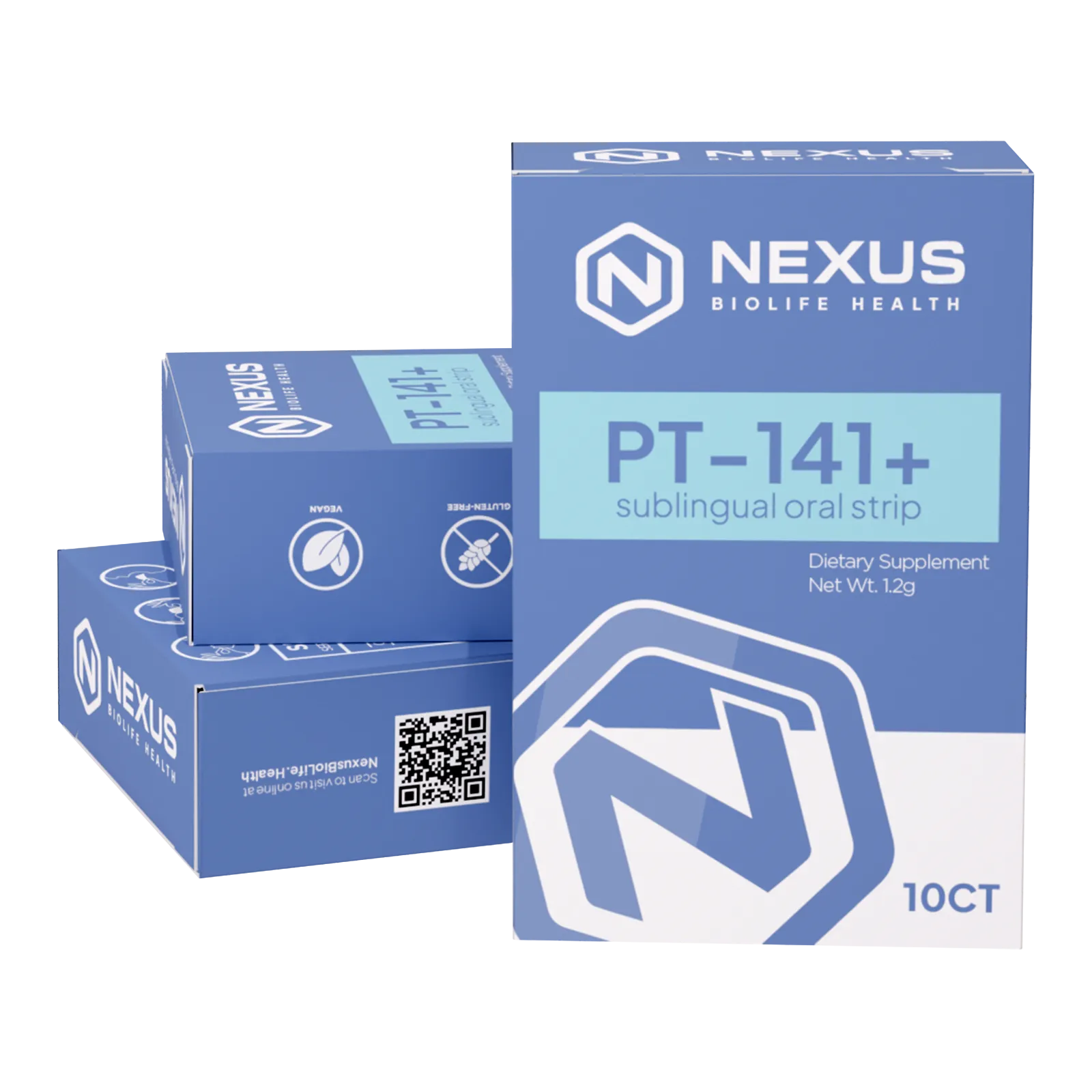
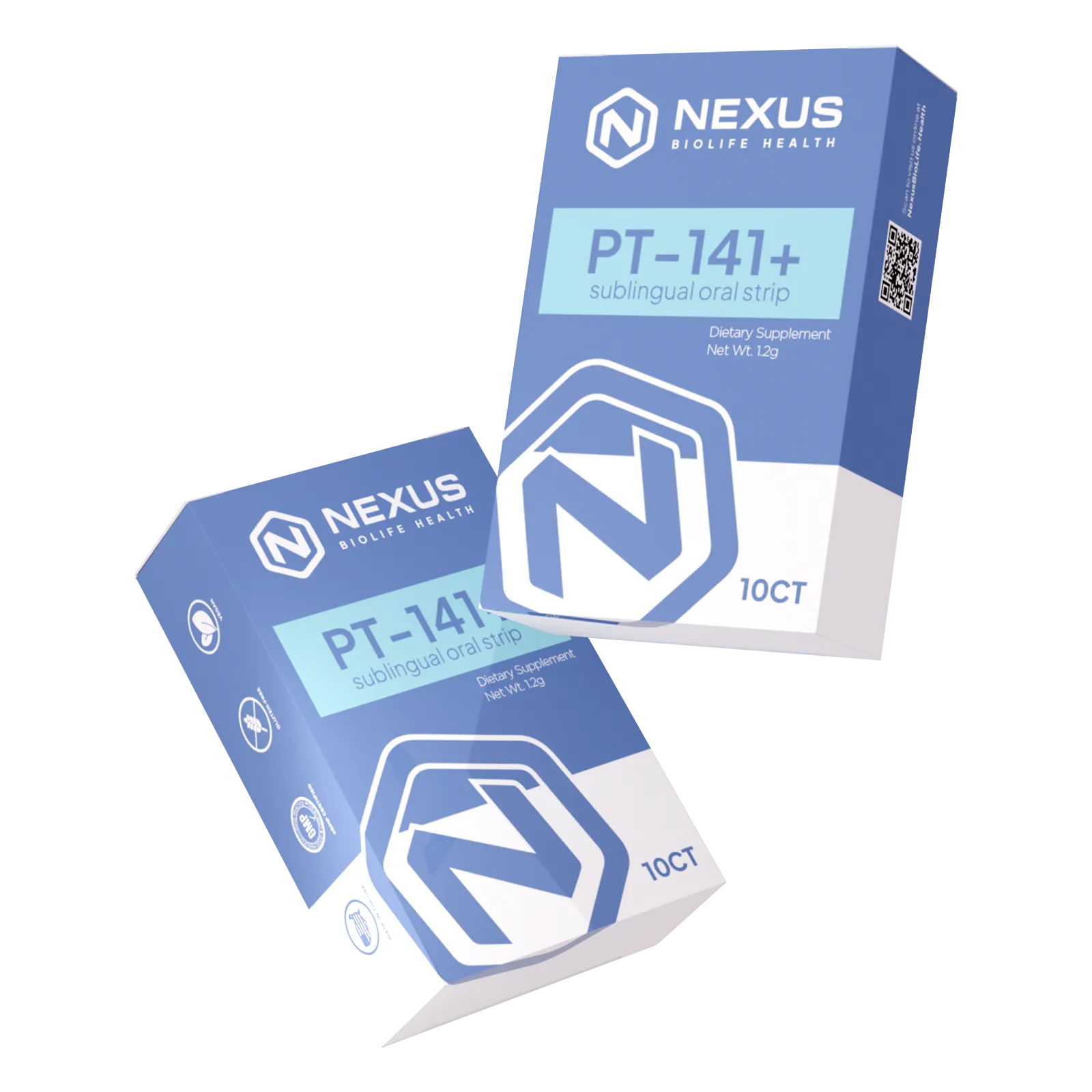
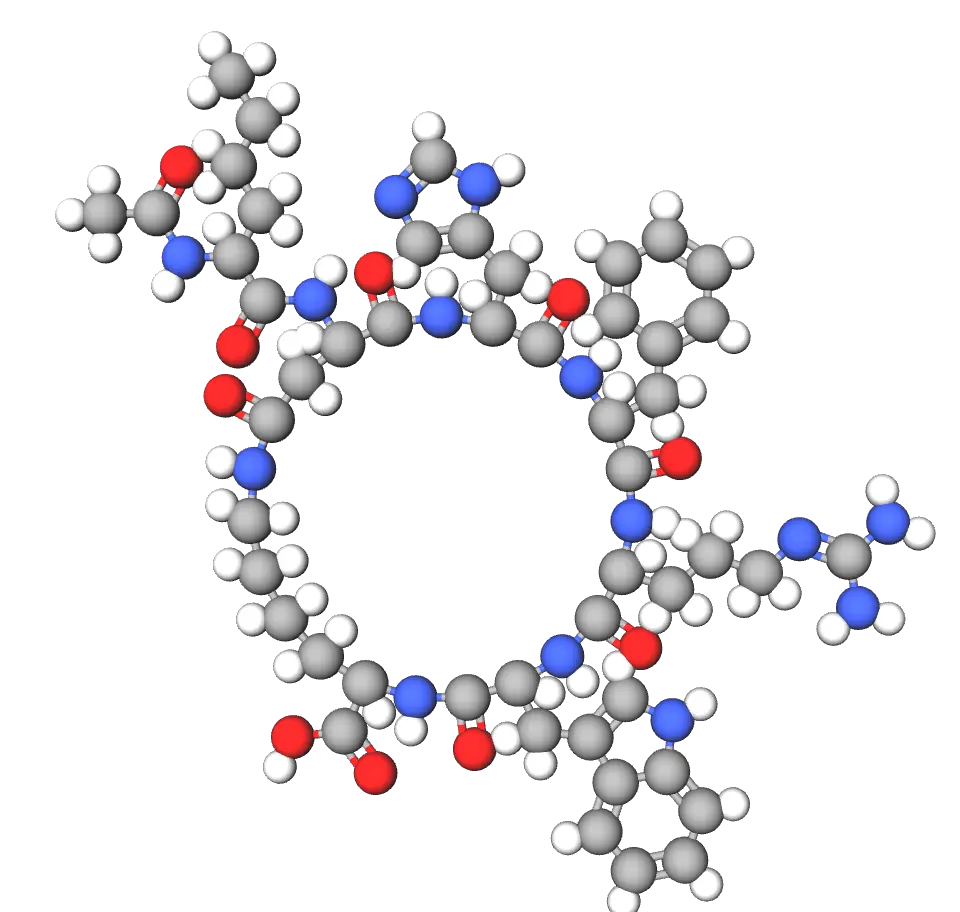
PT-141 features a synthetic cyclic structure characterized by the specific amino acid sequence Ac-Nle-cyclo[Asp-His-D-Phe-Arg-Trp-Lys]-OH, resulting in a molecular formula of C50H68N14O10 and a molecular weight of approximately 1025.2 g/mol. In laboratory environments, its distinct structural profile is utilized to evaluate its incorporation of non-natural modifications, such as norleucine (Nle) and D-phenylalanine (D-Phe), alongside a specific lactam bridge spanning the Asp and Lys residues. These precise alterations confer enhanced structural stability and significant resistance to enzymatic degradation during prolonged dissolution assays compared to its linear analogs. As a highly stable synthetic metabolite of melanotan II, synthesized without a C-terminal amide, it exhibits excellent solubility when dissolved directly into standard buffered aqueous solutions.
In practical terms, this specific formulation integrates the high-purity synthetic peptide—verified to exceed 98% purity via HPLC and mass spectrometry analysis—into a hydrophilic, dissolvable film matrix. This matrix ensures the structural integrity of the cyclic sequence is protected prior to experimental application. In isolated dissolution models, it exhibits a predictable kinetic half-life and provides a reliable standard for evaluating protein binding parameters in simulated assays. We ensure transparency in our quality assurance, testing each batch for consistency so you can focus on establishing rigorous experimental models without concerns over structural variability.
At our company, we're all about making peptide science approachable and reliable for researchers like you. PT-141, also known as bremelanotide, is a synthetic cyclic heptapeptide analog of alpha-melanocyte-stimulating hormone (α-MSH). In laboratory environments, it is designed to activate melanocortin receptors and investigate specific biochemical signaling pathways in isolated models. This lactam-bridged peptide offers enhanced binding affinity and receptor selectivity compared to native hormones, making it a precise biochemical tool for in-vitro studies on targeted receptor dynamics. This specific research formulation is integrated into a novel dissolvable film matrix, designed to provide a precise, needle-free delivery mechanism for rapid dissolution directly into in-vitro culture media.
In mechanistic terms, researchers utilize PT-141 to observe its function as an agonist at melanocortin receptors, displaying specific binding affinity for MC1R, MC3R, MC4R, and MC5R in isolated assays. In cultured cellular models, it is frequently evaluated as a standard to observe the elevation of cyclic AMP (cAMP) markers in specific receptor-expressing cell lines. Its unique molecular structure allows researchers to establish controlled experimental environments for evaluating complex intracellular signaling networks—specifically mapping signal transduction following targeted receptor agonism. We're happy to walk through the data behind these pathways, offering straightforward interpretations grounded in the science.
Further, PT-141 is often employed in isolated cellular assays to evaluate specific transcription markers, particularly observing its influence on suppressing targeted cytokine expression markers via in-vitro observation of NF-κB pathways. We're passionate about explaining these details accessibly—PT-141 provides a structural window into how specific receptor signaling bridges targeted biochemical interactions, making it an ideal standard for rational dissection in controlled assays.
In summary, PT-141 serves as a highly specific biochemical tool for evaluating melanocortin receptor coordination and dissolution kinetics in laboratory settings, offering researchers a precise standard for in-vitro observation. Its versatile cyclic design enables targeted in-vitro explorations, underscoring our quiet enthusiasm for compounds that bridge basic chemistry with rigorous experimental application, all while upholding the highest standards of quality. Let's advance your laboratory research together, one measured insight at a time.
For Research Use Only. Not for human use. All products offered are intended strictly for laboratory research purposes only. They are NOT for human or animal consumption, nor are they to be used as drugs, diagnostics, therapeutics, food additives, cosmetics, or household chemicals.
PT-141's specific melanocortin receptor agonism makes it highly suitable for in-vitro research focused on neuroendocrine signaling dynamics and targeted cellular responses. In isolated cellular models expressing MC4R, such as HEK-293 cell lines, it is utilized as a precise biochemical standard to measure cAMP production and map complex intracellular signal transduction. In highly controlled experimental environments, it serves as a reproducible tool for observing dose-dependent receptor activation. Simulated experimental models highlight its specific structural utility in probing the kinetics of targeted receptor interactions, often utilized in parallel with comparative synthetic analogs to map distinct binding affinities.
Beyond receptor binding studies, this specific PT-141 formulation supports rigorous investigations into isolated transcription markers, where it is utilized to evaluate its structural influence on specific neurochemical signaling cascades in cultured environments. Its structural properties have been probed in simulated environmental stress models, evaluated for its role in modulating targeted cytokine pathways via precise melanocortin receptor engagement. We encourage its use in comparative in-vitro receptor-binding assays or combined molecular evaluations in controlled dissolution simulations, and our transparency ensures you have reliable data to optimize your laboratory protocols for insightful, reproducible results.
To preserve the structural stability of PT-141 for your experiments, store the dissolvable film matrices at -20°C or below in a dry, light-protected environment to prevent moisture-induced degradation. When preparing for experimental application, allow the film to rapidly dissolve directly into sterile laboratory buffers or standard cell culture media to achieve desired micromolar concentrations, gently swirling the media to facilitate dissolution without inducing mechanical shear stress on the peptide sequence. Prepared assay solutions should be utilized promptly in experimental setups, with any remaining fluid stored at 2-8°C for short-term preservation or frozen for longer periods, actively avoiding repeated freeze-thaw cycles to protect the cyclic molecular structure.
Our rigorous quality testing confirms the high biochemical stability of the compound, but always verify pH neutrality of your specific laboratory buffers for optimal in-vitro activity. If handling questions arise regarding this specific film matrix formulation, we're here with evidence-based guidance to keep your structural research on track.
By clicking "I AGREE" and entering this website, you acknowledge and certify under penalty of perjury that you are at least 18 years of age.
