

$0.00
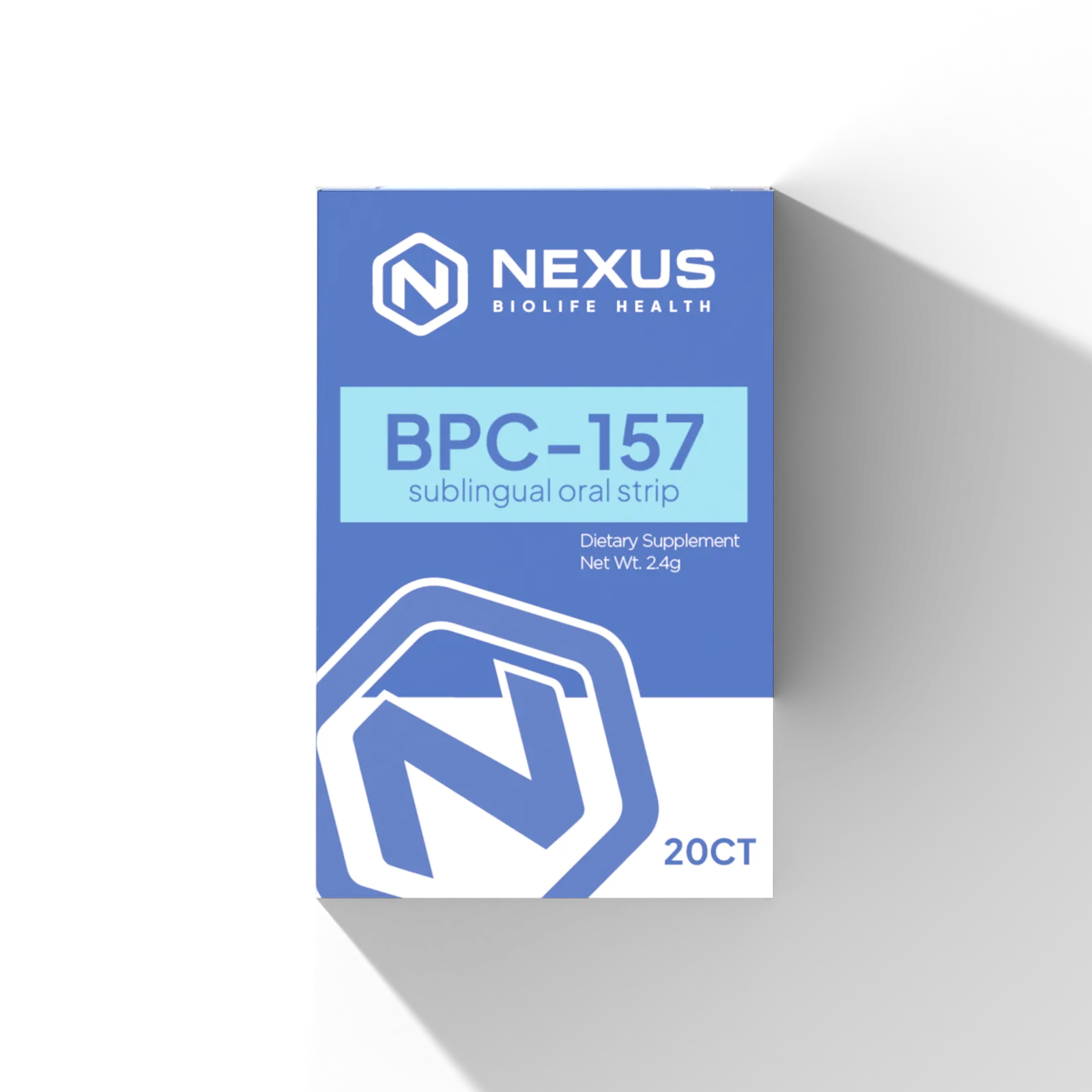
BPC-157 is a synthetic peptide meticulously prepared for scientific inquiry. This product offers a purity level of 99%. It is utilized in various laboratory investigations. BPC-157 is designated solely for research and development purposes.
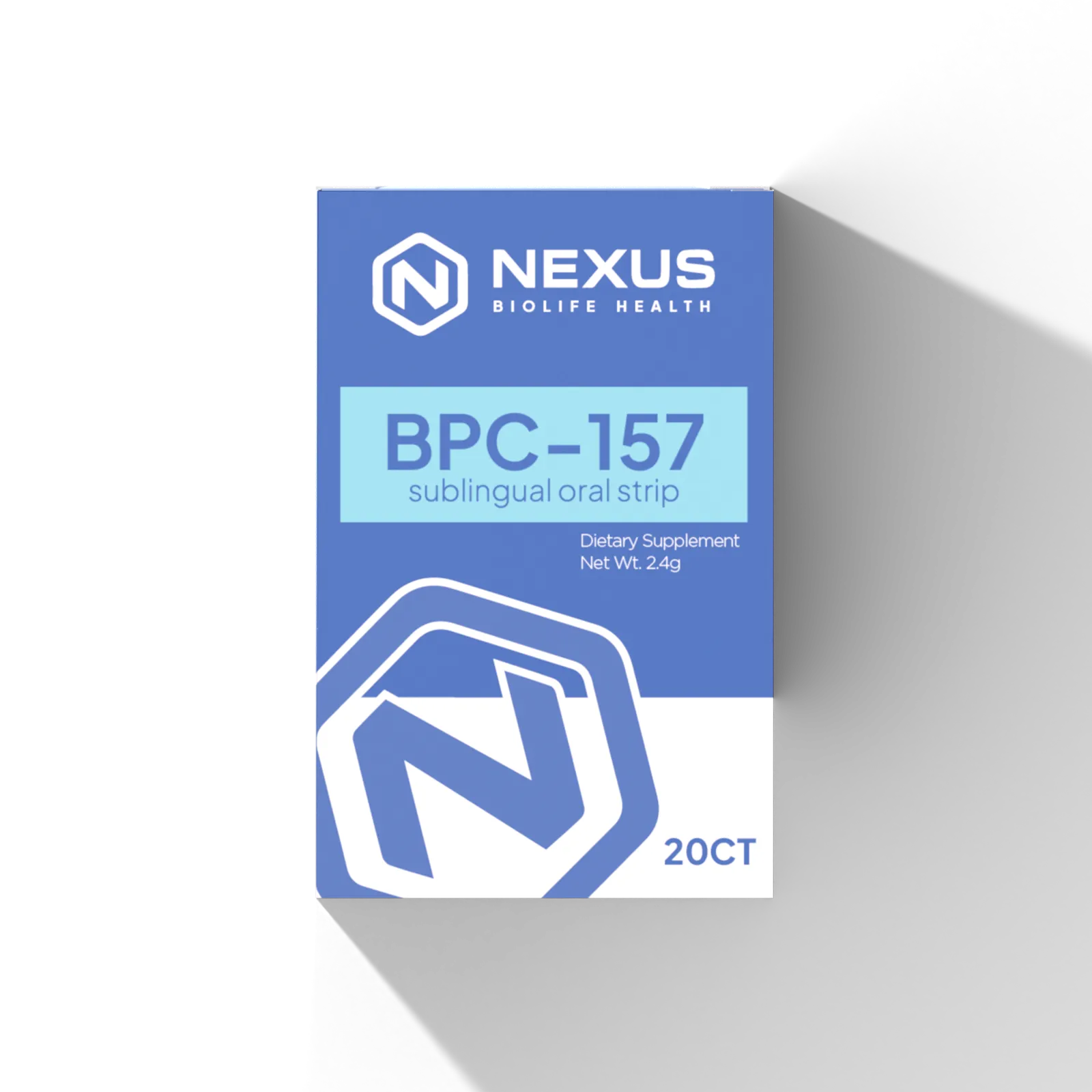
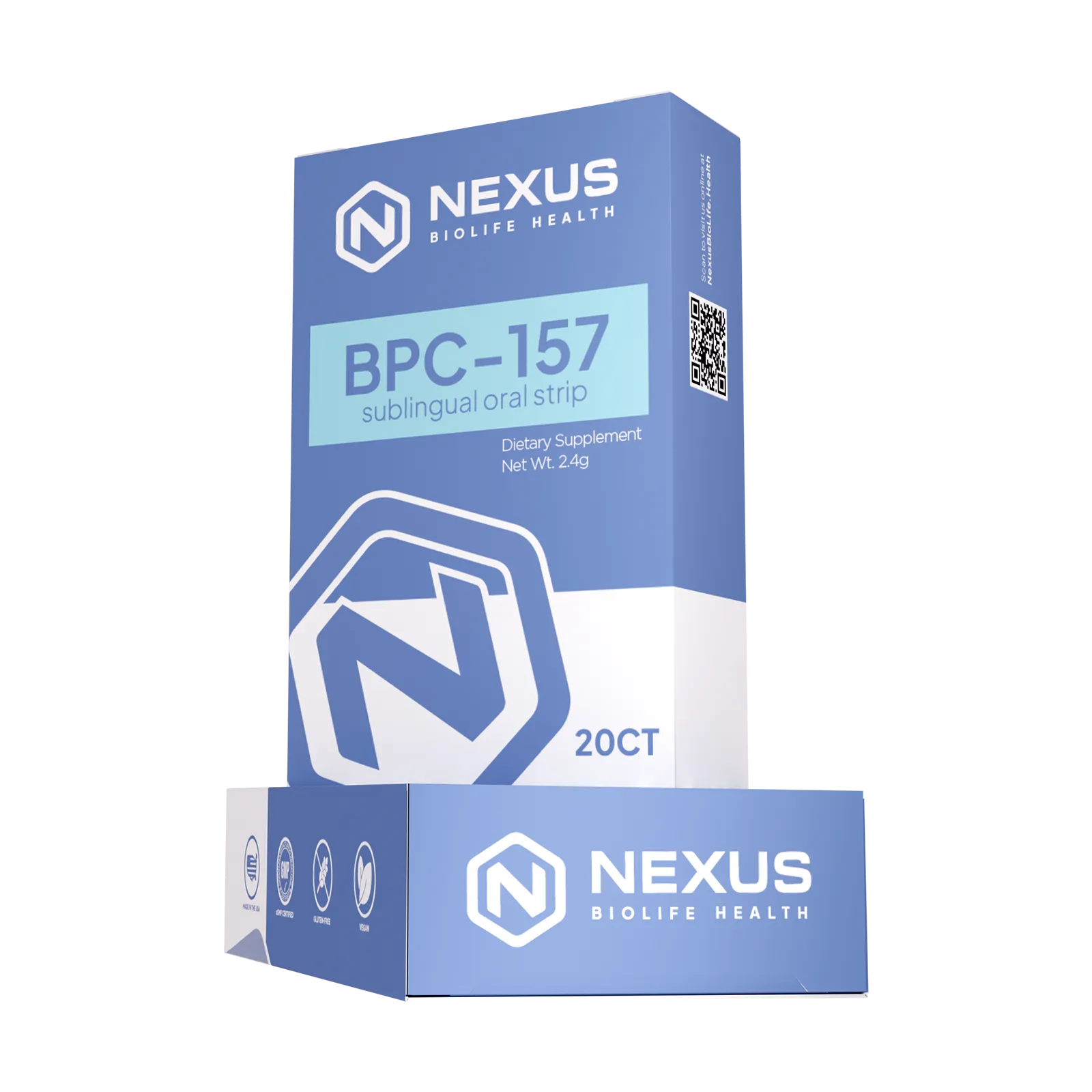
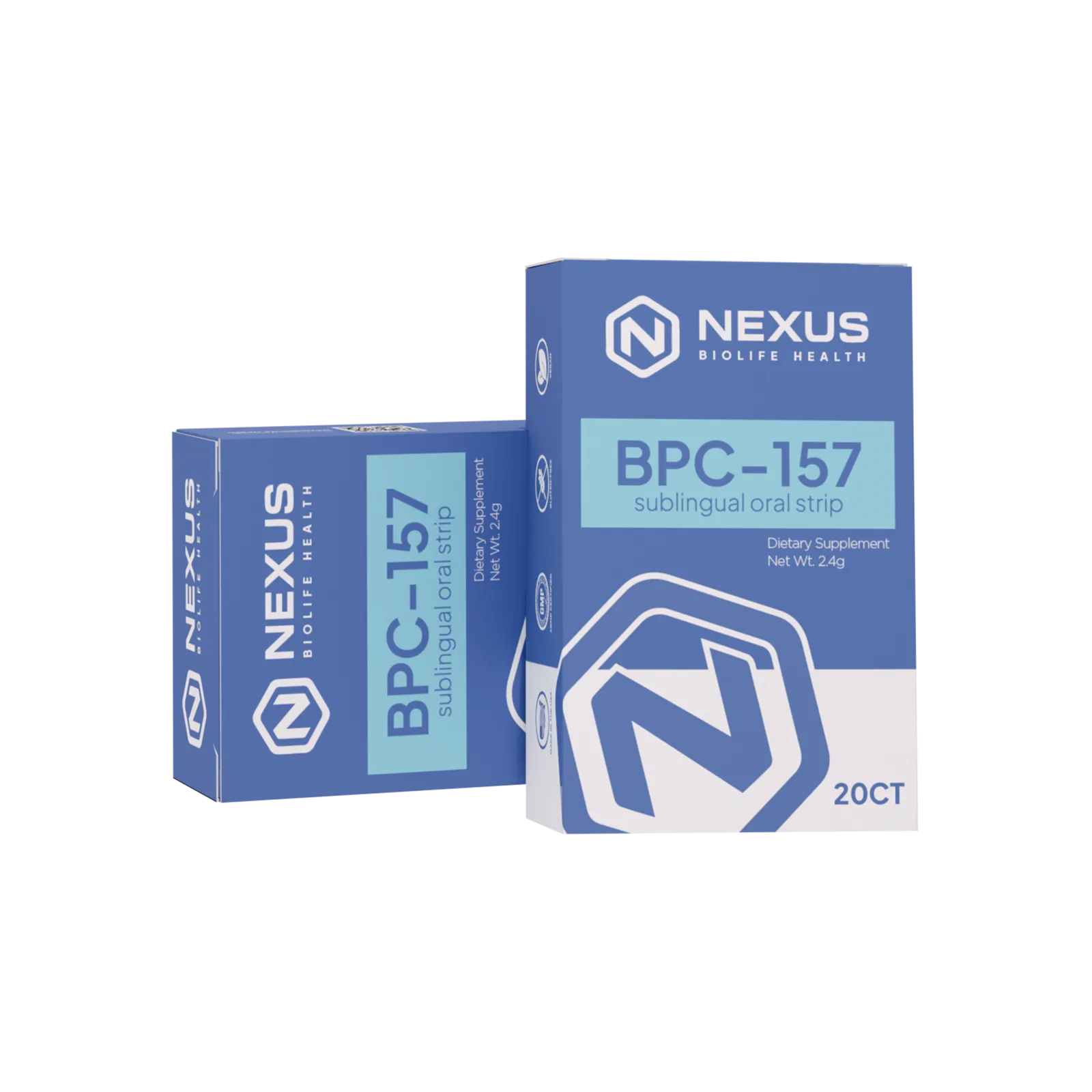
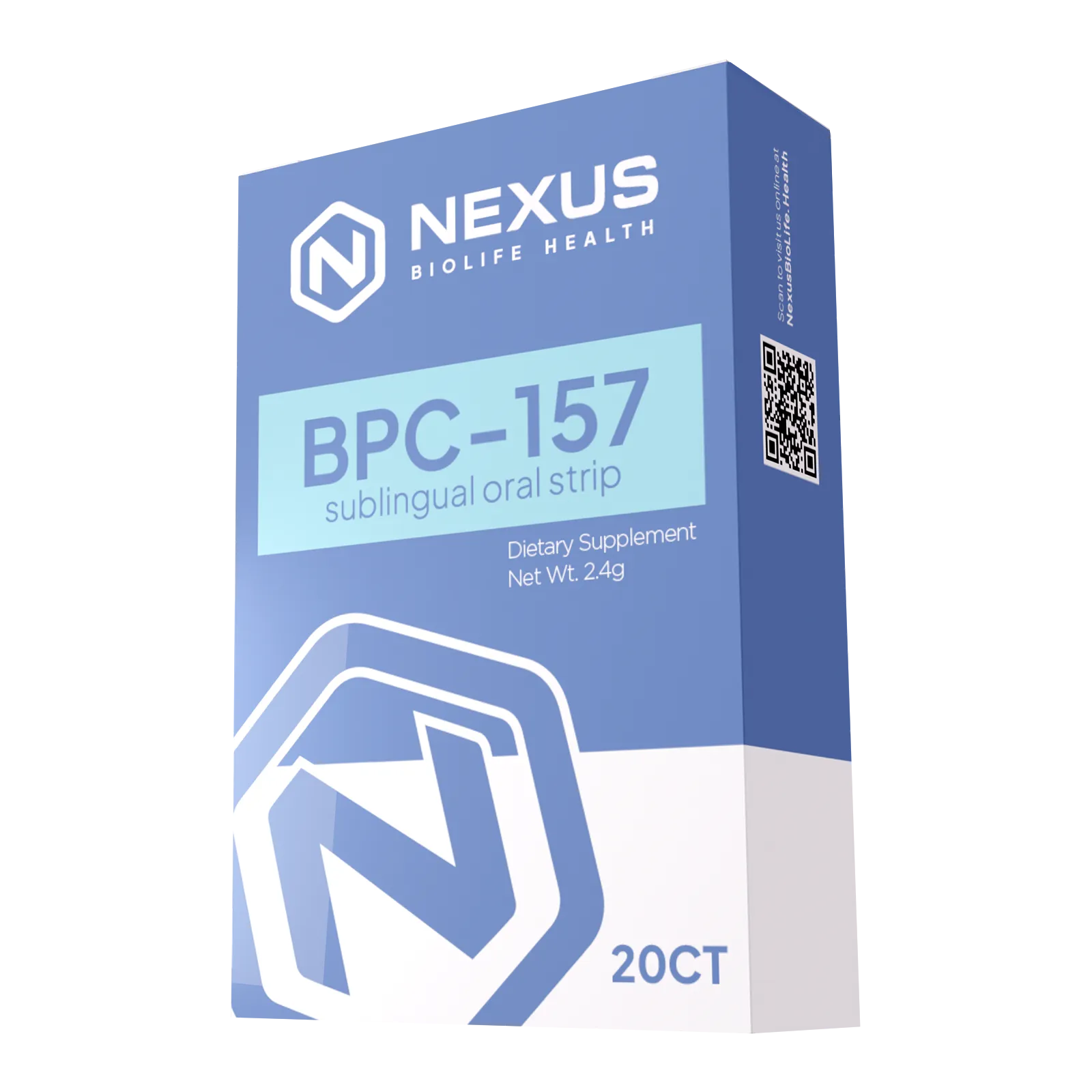
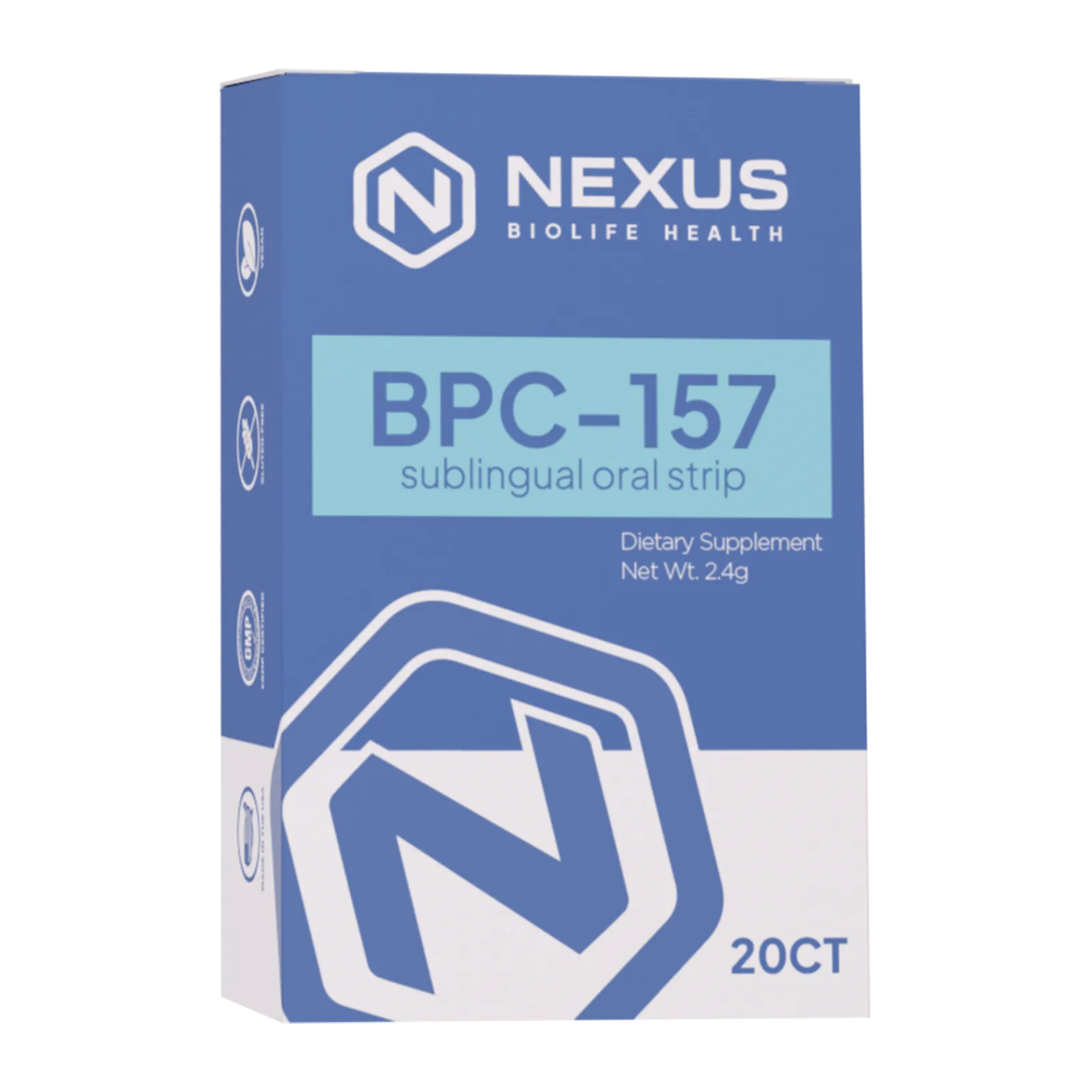
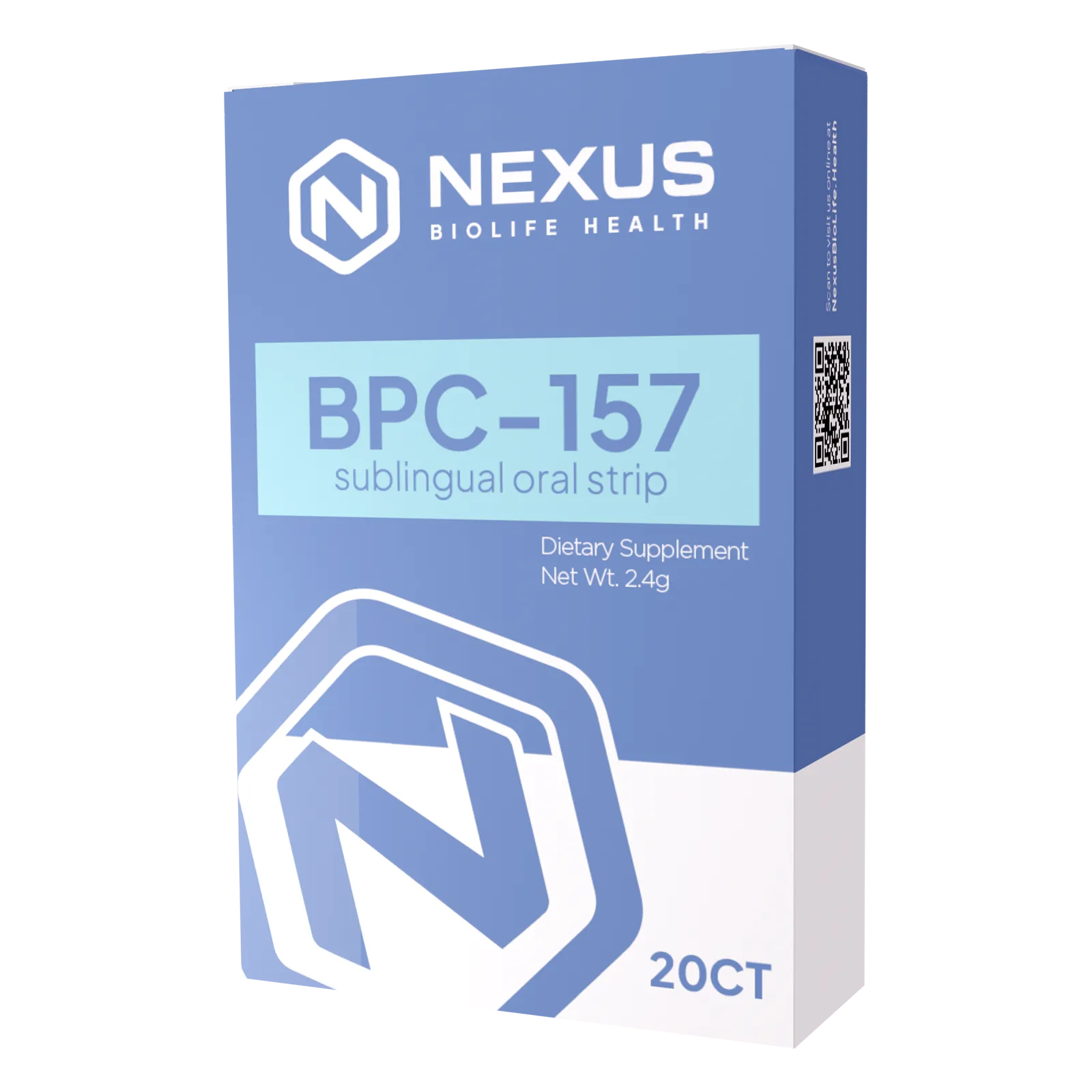
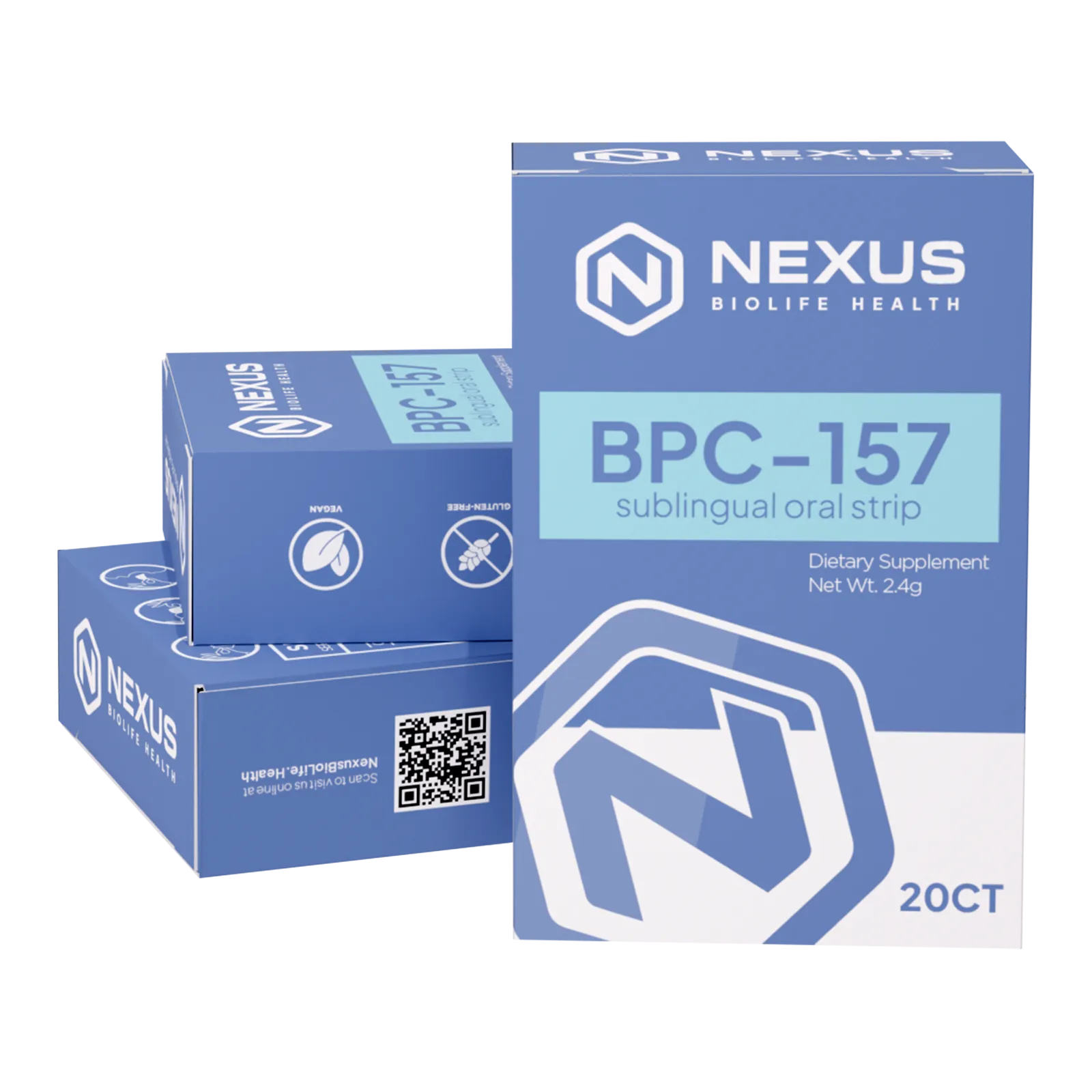
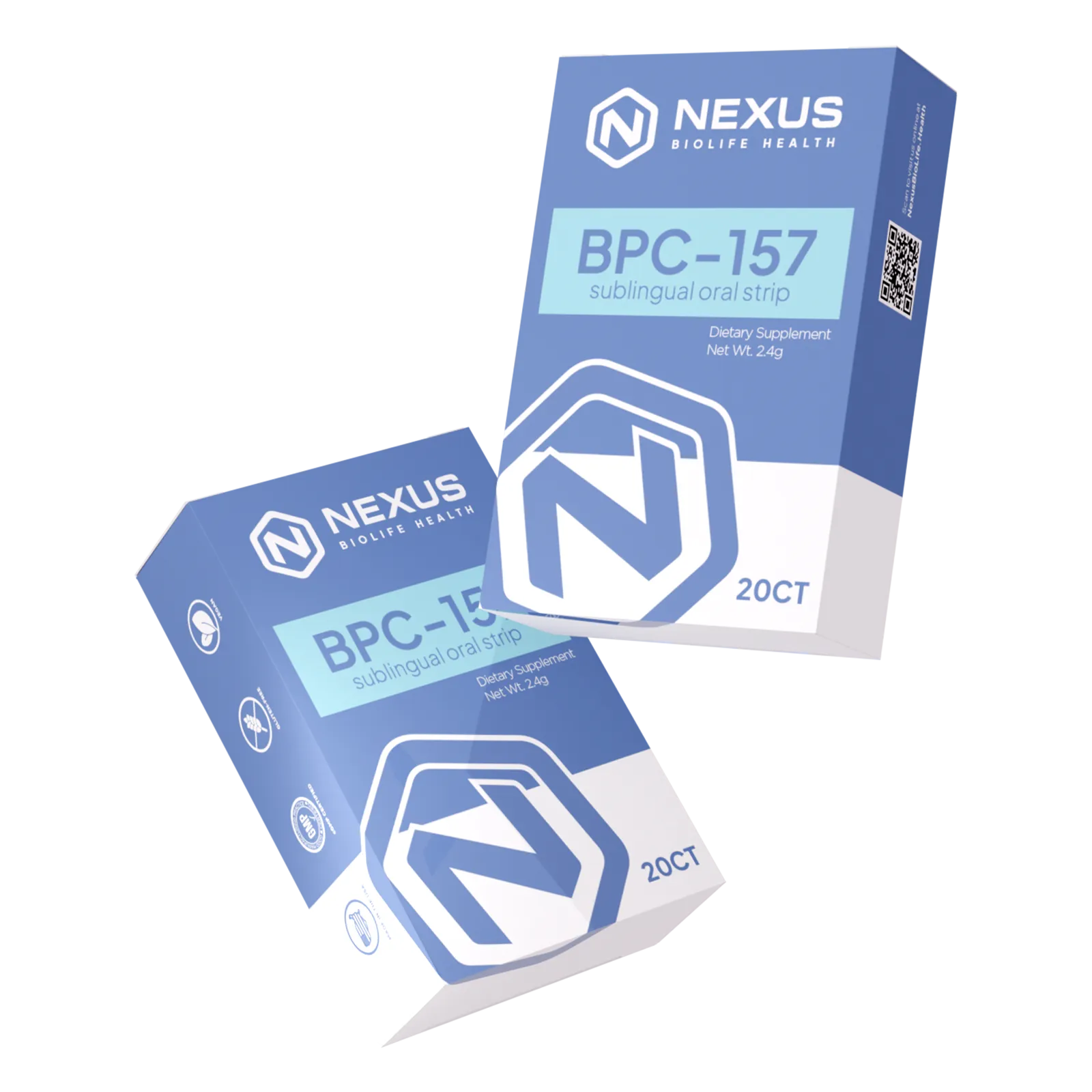
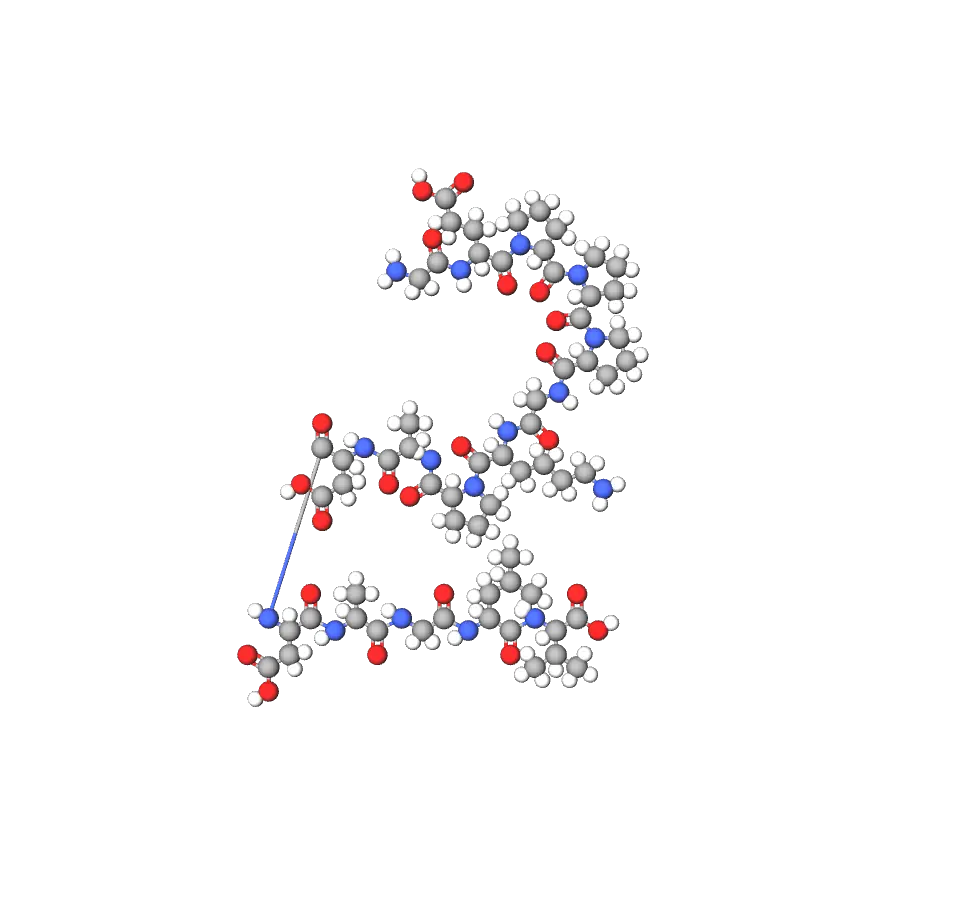
Structurally, BPC-157 is a synthetic linear chain of 15 amino acids with the formula C62H98N16O22 and a molecular weight of approximately 1419.5 Da. Its baseline stability is a standout property, inherently resisting rapid enzymatic breakdown even in highly acidic environments, which allows for flexibility when utilizing varied pH buffers in experimental dissolution assays. In this specific formulation, the pentadecapeptide is encapsulated within a hydrophilic, dissolvable film matrix designed to protect the peptide bonds prior to experimental application. In-vitro, the solvated compound maintains integrity at room temperature and allows researchers to observe predictable degradation kinetics into smaller fragments with a short half-life under 30 minutes in simulated biological fluid assays. We handle these structural properties with a grounded approach: they're key for designing robust, reproducible in-vitro experiments, but our peptides remain exclusively for laboratory research and biochemical exploration.
At our company, we're all about making peptide science approachable and reliable for researchers like you. BPC-157 is a highly stable synthetic pentadecapeptide consisting of a specific 15-amino acid sequence (Gly-Glu-Pro-Pro-Pro-Gly-Lys-Pro-Ala-Asp-Asp-Ala-Gly-Leu-Val). In laboratory environments, this resilient molecule has drawn significant interest in scientific studies evaluating targeted intracellular signaling and protein organization in isolated cellular models. In research environments, BPC-157 is examined for its specific role in modulating in-vitro markers associated with structural response in experimental setups. This specific research formulation is integrated into a novel dissolvable film matrix, designed to provide a precise, needle-free delivery mechanism for rapid dissolution directly into in-vitro culture media. Consider it a precise instrument for exploring targeted cellular dynamics and simulated environmental stress pathways—compact, structurally resilient, and full of investigative potential.
Looking back, BPC-157 was first identified in 1993 by researchers isolating and sequencing fragments of larger structural proteins. This discovery highlighted the specific sequence's natural stability when exposed to harsh, low-pH environments. Over the years, preclinical laboratory investigations have expanded to explore its broader molecular implications in isolated models evaluating simulated cellular stress and complex receptor interactions, building a robust body of evidence around its distinct structural qualities. We're keen on these foundational stories as they anchor our commitment to evidence-based insights—clear, logical progress that supports researchers in piecing together the puzzle of peptide functionality without overstepping into unverified territory.
In summary, BPC-157 represents the innovative spirit of peptide research—a structurally resilient molecular fragment with wide-ranging potential in models evaluating simulated cellular motility and targeted protein interactions. As your dependable partner in peptide research, we're delighted to supply such precise biochemical tools to inspire your laboratory explorations, always based on sound chemistry and offered with an open, collaborative vibe. Whether investigating the kinetics of simulated structural remodeling or controlled intracellular signaling, BPC-157 serves as a steadfast biochemical standard in discovery. Let's advance laboratory understanding together, step by thoughtful step.
For Research Use Only. Not for human use. All products offered are intended strictly for laboratory research purposes only. They are NOT for human or animal consumption, nor are they to be used as drugs, diagnostics, therapeutics, food additives, cosmetics, or household chemicals.
Researchers apply this BPC-157 formulation in diverse biochemical fields, such as isolated structural biology models, where it's tested in specific cellular assays to assess protein cross-linking metrics. In simulated mucosal assays, it's explored via dissolution testing to study experimental barrier stability. Isolated neurochemical applications include evaluating its impact on cellular oxidative stress responses. Broader in-vitro uses span evaluating its influence on specific structural cytokines, highlighting its versatility as a biochemical standard. We uphold purity through rigorous HPLC and mass spec testing, ensuring transparency for your laboratory protocols.
Practically speaking: To ensure this BPC-157 formulation performs optimally in your experiments, store the dissolvable film matrices at -20°C in a dry, dark environment to maintain the peptide sequence's stability. When preparing for experimental application, allow the film to rapidly dissolve directly into sterile laboratory buffers or standard culture media to achieve desired micromolar concentrations in cell cultures—adjust per your assay design. Critically, this peptide is for lab research only, not diagnostics, therapy, or human consumption. Safety data sheets from structural testing show high biochemical stability, but we prioritize ethics and compliance in all we do.
From an evidence-based view, BPC-157 has been associated with multifaceted signaling activities in experimental in-vitro contexts. It exhibits structural stabilization effects, evaluated in isolated models simulating induced environmental damage. Studies indicate it promotes specific transcription markers by activating pathways like VEGFR2 in cultured endothelial models, potentially simulating angiogenesis pathways independent of complex systemic variables in some cases. As an experimental standard, it modulates simulated signaling responses in models of cellular stress, providing a tool to study NO-related intracellular mechanisms.
In structural cellular research, BPC-157 appears to drive isolated fibroblast migration, collagen synthesis markers, and targeted receptor expression, leading to reproducible outcomes in controlled assays. In-vitro neurochemical studies suggest it provides a specific standard for observing induced apoptosis and cellular inflammation pathways. It has also shown immense promise in isolated assays evaluating extracellular matrix (ECM) formation and macrophage-like cellular activity. Our rational take is that these observations underscore BPC-157's profound value in probing complex intracellular signaling networks, always within ethical, controlled laboratory frameworks.
By clicking "I AGREE" and entering this website, you acknowledge and certify under penalty of perjury that you are at least 18 years of age.
