


$0.00
GHK-Cu is a synthetic peptide-copper complex meticulously prepared for scientific inquiry. This product is synthesized with high purity for laboratory investigations. It is developed for use in various research applications. GHK-Cu is designated solely for research and development purposes.
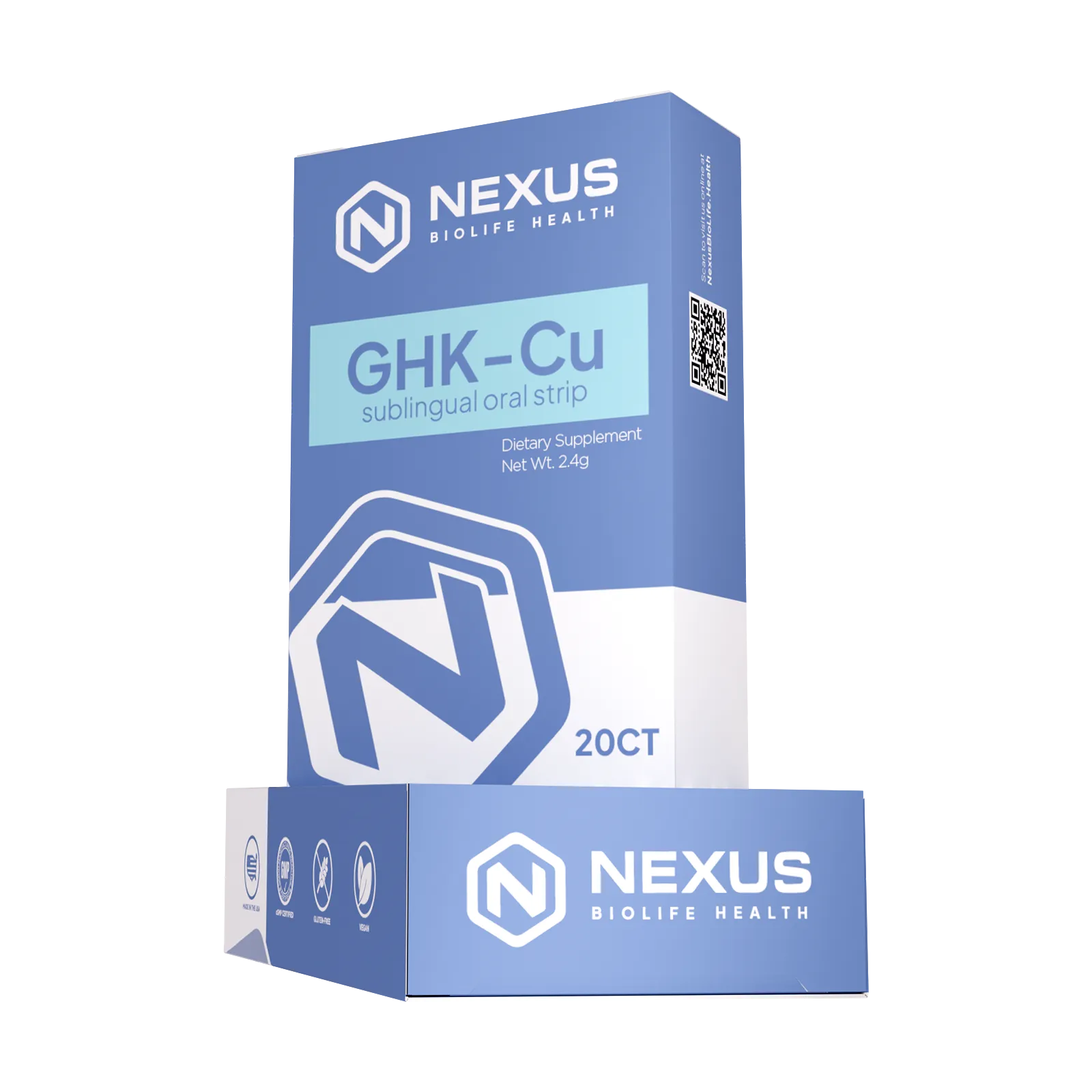
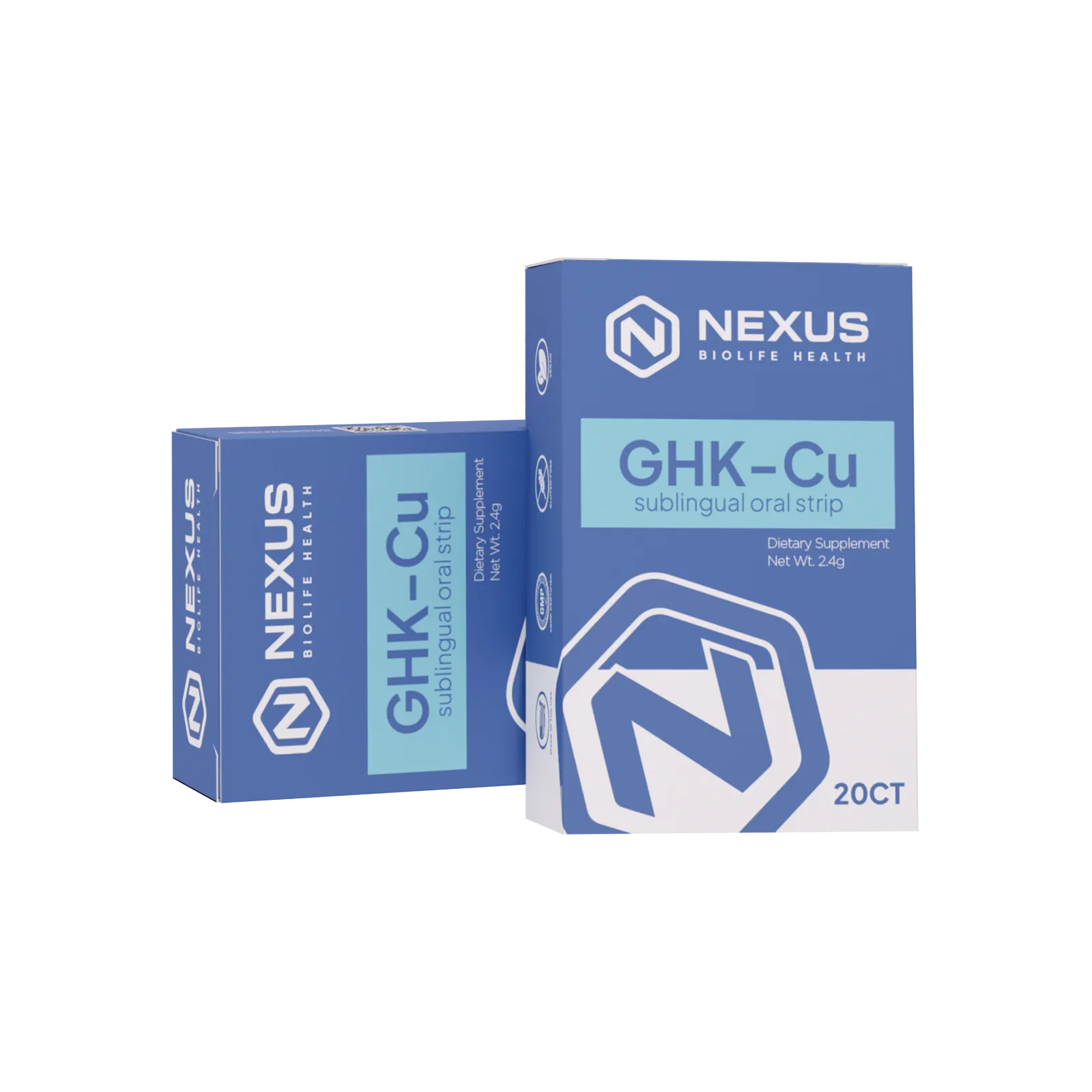
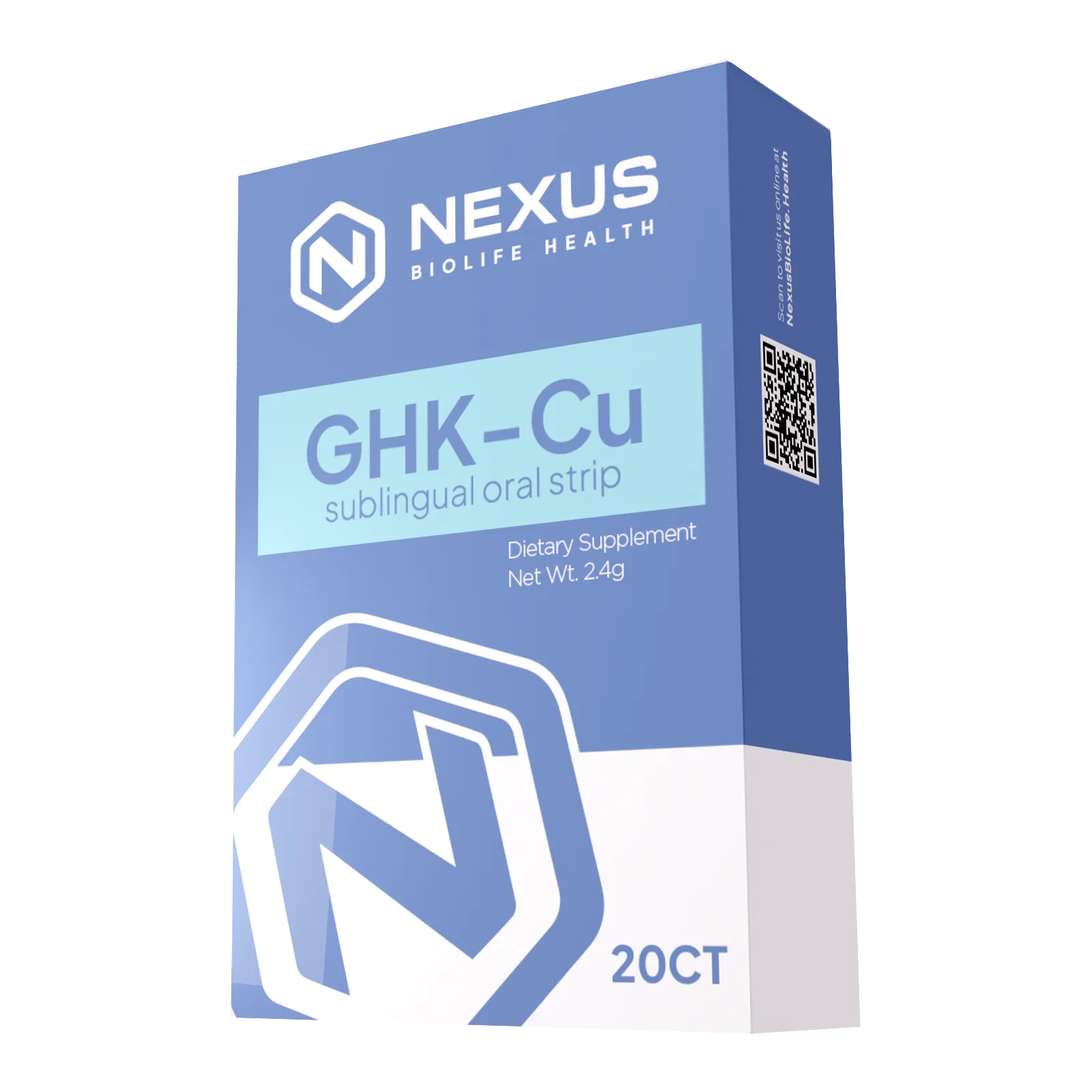
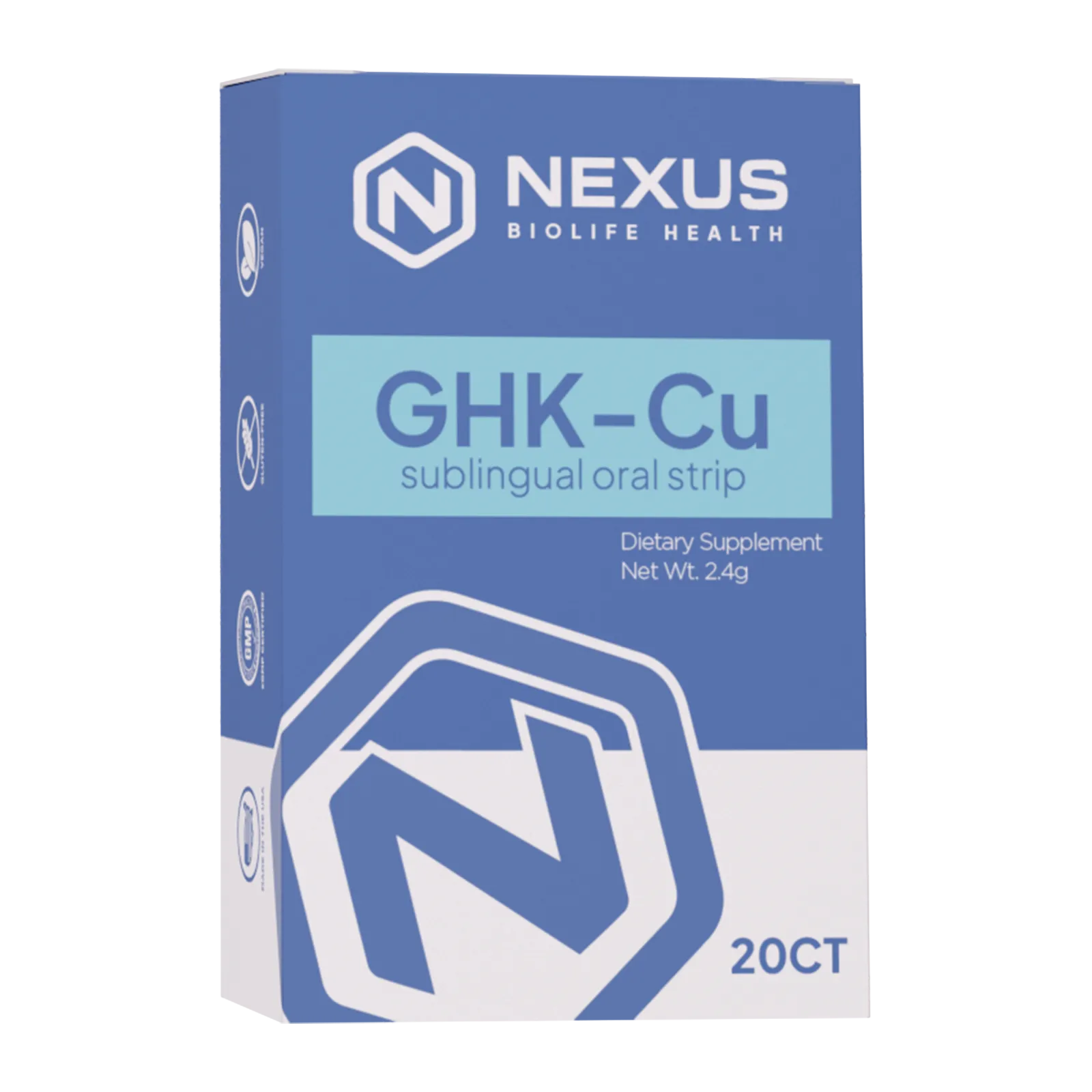
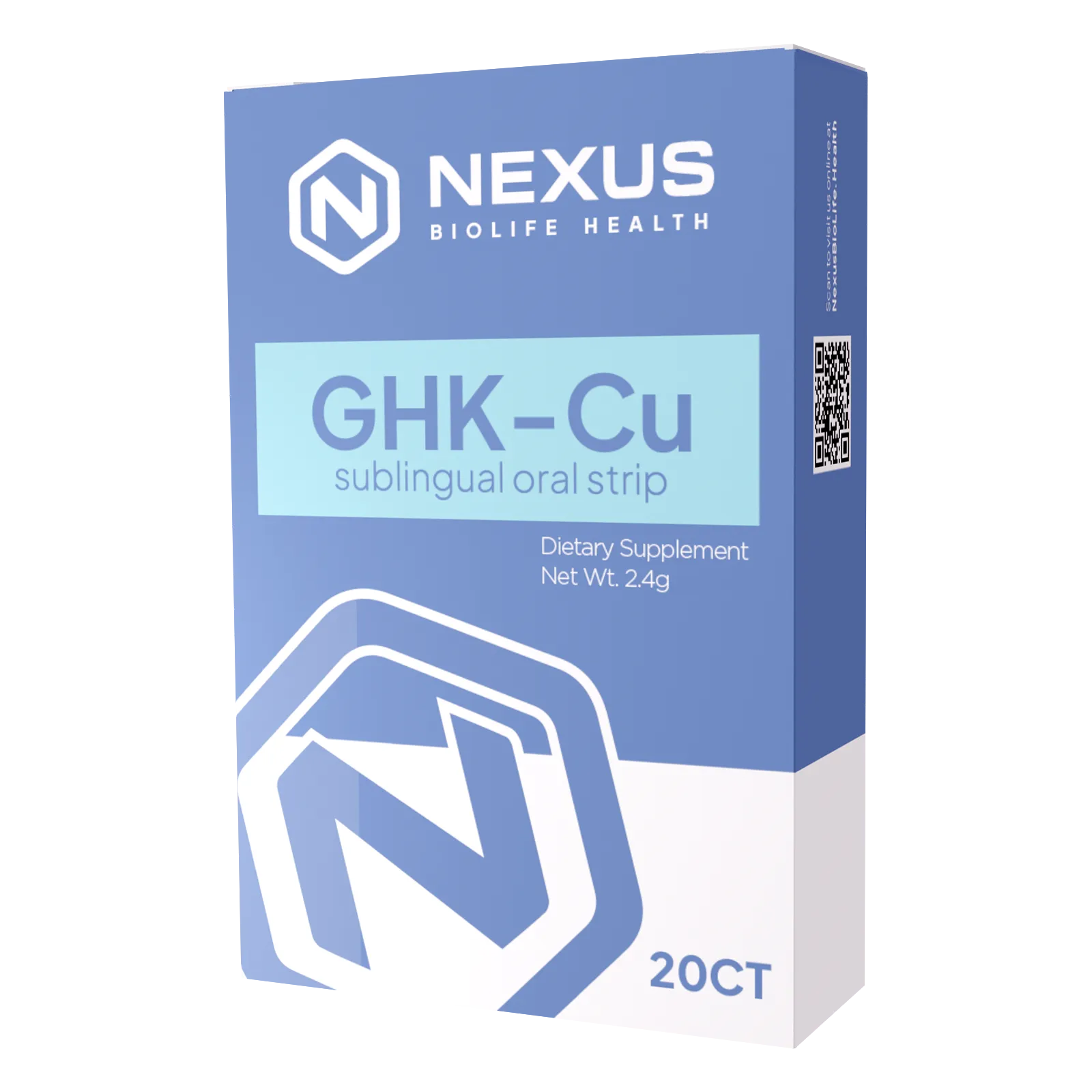
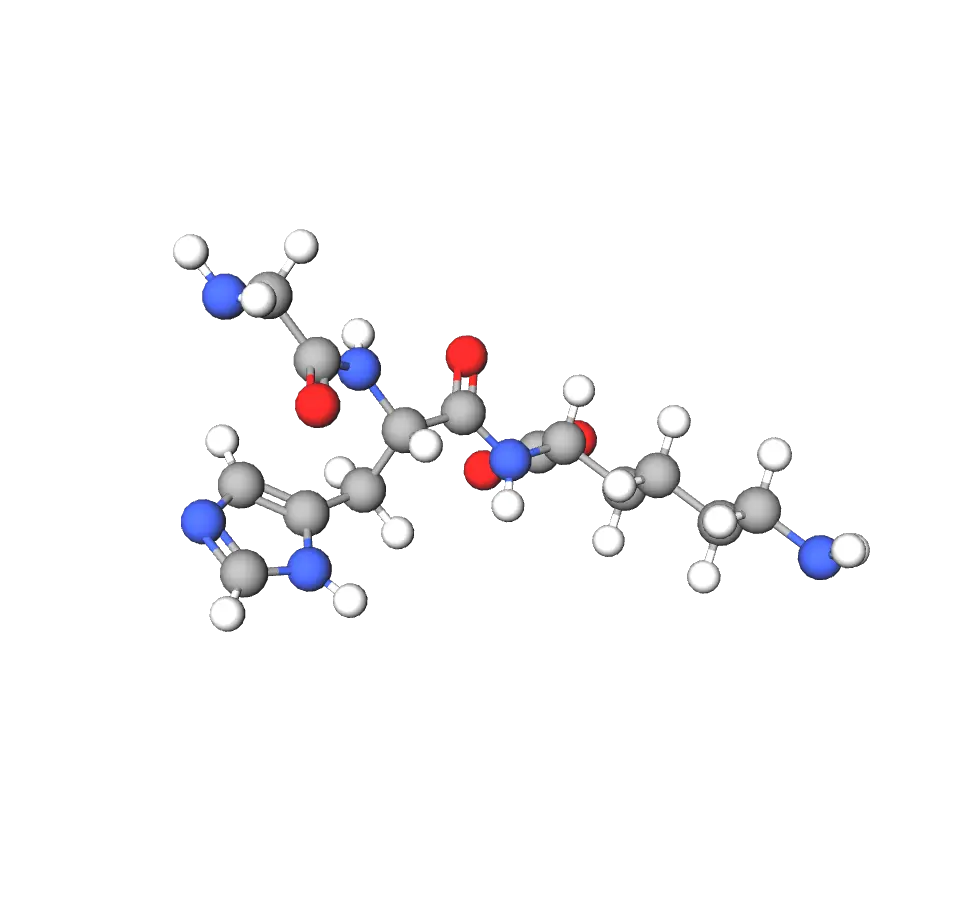
The core synthetic structure of GHK-Cu is the tripeptide sequence Gly-His-Lys, where the histidine residue facilitates a high-affinity coordination with copper(II) ions, forming a highly stable complex with a molecular weight of approximately 403.9 Da. This specific binding dynamic involves the imidazole nitrogen of histidine, the amino group of glycine, and the deprotonated amide nitrogen, creating a unique square-planar geometry. In laboratory environments, this coordination significantly enhances the peptide's structural stability and resistance to rapid degradation in standard buffered solutions. In this specific formulation, the tripeptide complex is encapsulated within a hydrophilic, dissolvable film matrix designed to protect the metal-peptide bonds from premature dissociation prior to experimental application.
In lab settings, the GHK-Cu film matrix allows for rapid and uniform dissolution when introduced to aqueous solvents, maintaining the characteristic blue hue of the copper coordination once solvated. It exhibits excellent solubility in physiological media at neutral pH; however, researchers should avoid extreme pH conditions or the introduction of competing chelators (e.g., EDTA) during assays to preserve the primary copper coordination. Our preparations achieve purity levels exceeding 98% by HPLC, with consistent batch-to-batch reproducibility that we document transparently via Certificates of Analysis. Our focus on structural integrity ensures that every batch provides a reliable, reproducible standard for your complex biochemical studies.
At our company, we're all about making peptide science approachable and reliable for researchers like you. GHK-Cu is a synthetic copper-binding tripeptide complex (Glycyl-L-Histidyl-L-Lysine). By functioning as a structural analog in biochemical assays, this compound is studied to observe peptide-metal interactions, complex stability, and coordination chemistry in controlled in-vitro environments. This specific research formulation is integrated into a novel dissolvable film matrix, designed to provide a precise, needle-free delivery mechanism for rapid dissolution directly into in-vitro culture media.
In mechanistic terms, GHK-Cu is utilized in laboratory settings to observe copper-mediated interactions and their influence on targeted cellular pathways in isolated models. In cultured cellular models, it is frequently evaluated as a standard to observe the upregulation of specific transcription markers associated with structural proteins (such as collagen and elastin). Simultaneously, researchers study its influence on suppressing targeted cytokine expression markers (such as TNF-α and IL-6) via in-vitro inhibition of NF-κB pathways. Its unique molecular structure allows researchers to establish controlled experimental environments for evaluating complex signaling networks and transition metal transport mechanisms—we're happy to walk through the data behind these pathways, offering straightforward interpretations grounded in the science.
Further, GHK-Cu is often employed in isolated endothelial and neurochemical assays to evaluate simulated cellular motility and molecular interactions with specific growth factors (such as TGF-β). Its structural ability to engage diverse biochemical targets makes it a versatile tool for observing complex protein-protein interactions and proteasome-mediated activity in controlled laboratory conditions. We find these in-vitro mechanisms fascinating and are eager to provide insights into how this peptide-metal complex performs in targeted laboratory assays.
In summary, GHK-Cu serves as a highly specific biochemical tool for evaluating peptide-metal coordination and dissolution kinetics in laboratory settings, offering researchers a precise standard for in-vitro observation. Its ability to influence multiple pathways underscores our quiet enthusiasm for compounds that bridge basic chemistry with rigorous experimental application, all while upholding the highest standards of quality. Let's advance your laboratory research together, one measured insight at a time.
For Research Use Only. Not for human use. All products offered are intended strictly for laboratory research purposes only. They are NOT for human or animal consumption, nor are they to be used as drugs, diagnostics, therapeutics, food additives, cosmetics, or household chemicals.
GHK-Cu’s broad molecular profile makes it ideal for highly controlled in-vitro assays evaluating protein synthesis kinetics and targeted gene expression. In isolated fibroblast cultures, it is utilized as a biochemical standard to investigate specific transcription markers associated with collagen synthesis and extracellular matrix cross-linking dynamics. Its targeted influence on specific cytokines (such as TNF-α and IL-6) is frequently studied in simulated environmental stress models, allowing researchers to evaluate complex cellular signaling cascades without the uncontrolled variables of in-vivo models.
Researchers have also applied this specific GHK-Cu formulation in complex dissolution assays to study controlled release kinetics, particularly observing how its copper coordination impacts simulated angiogenesis models and targeted cellular motility. In isolated gene expression assays, it serves as a precise tool for probing targeted DNA repair mechanisms and specific cellular pathways. We support these explorations with transparent data, because empowering your biochemical research with clear insights is what drives us.
To ensure this GHK-Cu formulation performs optimally in your experiments, store the dissolvable film matrices in a climate-controlled, dry environment, preferably at 4°C to -20°C, keeping the container tightly sealed to shield from humidity and light. When preparing for experimental application, allow the film to rapidly dissolve directly into sterile laboratory buffers or standard culture media to achieve desired concentrations. Avoid exposing the active solution to extreme pH fluctuations or competing chelating agents, as this can disrupt the metal-peptide binding. Backed by our combined stability validations, these steps help maintain structural integrity prior to experimental deployment—reach out if you have questions regarding handling or storage.
By clicking "I AGREE" and entering this website, you acknowledge and certify under penalty of perjury that you are at least 18 years of age.
